


Solar Generator 220V Output: Your Gateway to Clean, Reliable Power
Table of Contents
- The Silent Energy Revolution: Why 220V Solar Generators Matter
- How 220V Solar Generators Work: Beyond Basic Backup
- Key Benefits: More Than Just Off-Grid Power
- Real-World Proof: A German Family's Energy Transformation
- Choosing Your 220V Solar Generator: Critical Factors
- Where Solar Tech Is Heading: Europe's Storage Revolution
The Silent Energy Revolution: Why 220V Solar Generators Matter
A sudden storm knocks out power across your neighborhood. Traditional fuel generators roar to life, spewing fumes and noise. But what if there was a cleaner, quieter solution? Across European homes—from rainy Ireland to sunny Spain—solar generators with 220V output are becoming the unsung heroes of energy resilience. Why 220V? Simple: It’s the standard household voltage in Europe. This isn’t just about charging phones; it’s about running refrigerators, medical equipment, or power tools seamlessly during outages or off-grid adventures. With global solar capacity doubling every 3-4 years, these devices blend sustainability with practicality.
How 220V Solar Generators Work: Beyond Basic Backup
Unlike noisy petrol generators, solar generators silently convert sunlight into usable AC power. Here’s the magic behind the 220V output:
The Core Components
- Solar Panels: Capture photons and generate DC electricity (e.g., 400W monocrystalline panels)
- Charge Controller: Optimizes energy flow to batteries, preventing overcharge
- Lithium Batteries: Store energy (LiFePO4 batteries dominate for safety & 5,000+ life cycles)
- Pure Sine Wave Inverter: Converts DC to stable 220V AC, crucial for sensitive electronics
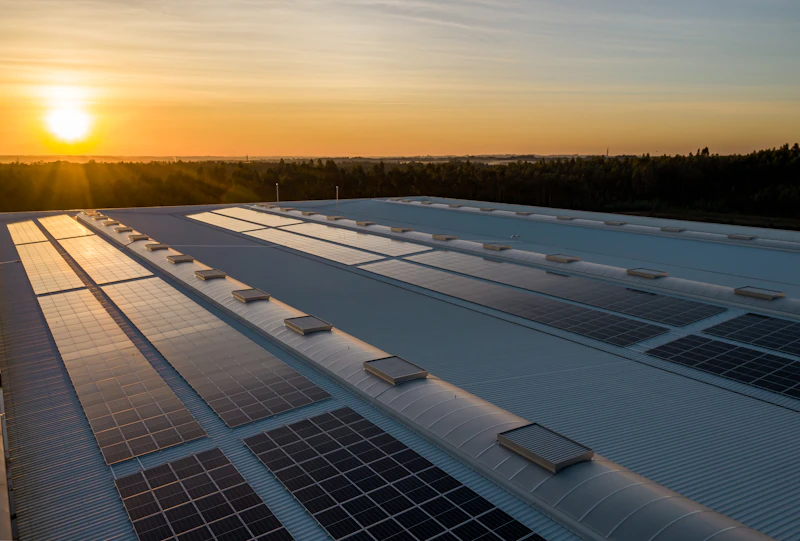
Image: Modern solar generator powering appliances. Source: Unsplash
Why Pure Sine Wave Matters
Ever heard a fridge hum oddly on backup power? Cheap inverters create "modified sine waves" that damage motors. True 220V solar generators use pure sine wave tech, matching grid-quality electricity. This means your espresso machine, laptop charger, and HVAC system run smoothly—no compromises.
Key Benefits: More Than Just Off-Grid Power
| Feature | Traditional Generator | 220V Solar Generator |
|---|---|---|
| Noise Level | 70-90 dB (lawnmower range) | 0-25 dB (library quiet) |
| Operating Cost | €1-€3/hour (fuel) | €0 after initial investment |
| Carbon Footprint | 2-3 kg CO₂/hour | Zero emissions |
| Maintenance | Monthly checks + oil changes | None beyond occasional cleaning |
Real-World Proof: A German Family's Energy Transformation
Meet the Hoffmanns in Bavaria. After 2021’s record 25% spike in power outages, they installed a Solar Pro X5 with 220V output. Here’s their data:
- System Specs: 1.2kWh battery + 600W solar input
- Output: 220V pure sine wave (2000W peak)
- Results: Ran fridge, router, and lights for 18 hours during a winter blackout. Annual savings: €340 vs. diesel alternatives.
"We even power our coffee grinder during camping trips—no more hunting for outlets!" — Klaus Hoffmann. This mirrors trends from Sweden to Greece, where households seek independence from volatile energy prices.
Choosing Your 220V Solar Generator: Critical Factors
Not all systems are equal. Consider these when investing:
- Battery Chemistry: LiFePO4 > NMC (safer, longer-lasting)
- Expandability: Can you add extra batteries or panels later?
- Output Ports: Look for EU Schuko sockets + USB-C PD
- Solar Input Limit: Higher wattage = faster recharges (e.g., 800W+ ideal)
Pro Tip: Match your battery capacity (kWh) to daily needs. A 100W fridge uses ~1kWh per 10 hours.
Where Solar Tech Is Heading: Europe's Storage Revolution
With new solid-state batteries emerging, future solar generators could charge in 15 minutes. Companies like Northvolt are slashing costs, while Fraunhofer Institute projects 50% longer lifespans by 2026. Imagine a 220V system powering your EV during emergencies—yes, that’s coming!
Your Turn to Act
Could your home benefit from silent, emission-free backup power? What’s the first device you’d keep running during an outage?
 Inquiry
 Online Chat