


What Off-Grid Solar System Means for Your Energy Independence
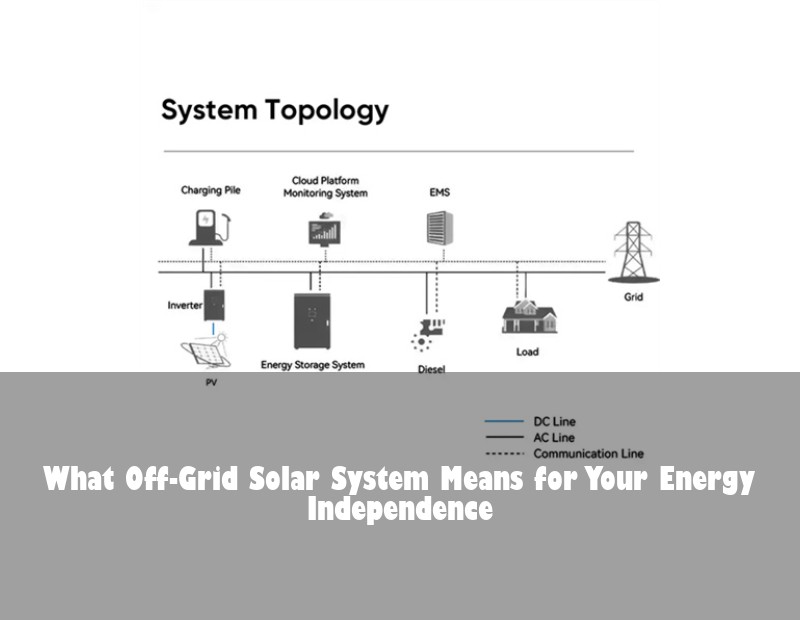
Table of Contents
The Off-Grid Revolution
You're brewing morning coffee as sunlight streams through your window. But here's the magic - that same sunlight powers your home completely independent from traditional utilities. That's what off grid solar system means in practice: a self-sustaining energy ecosystem using solar panels, battery storage, and smart controllers to break free from the grid. Across Europe, families and businesses are discovering this liberation. In Germany alone, off-grid installations surged by 200% between 2018-2022 according to IRENA. Why this shift? Energy autonomy isn't just about avoiding blackouts - it's about rewriting your relationship with power.
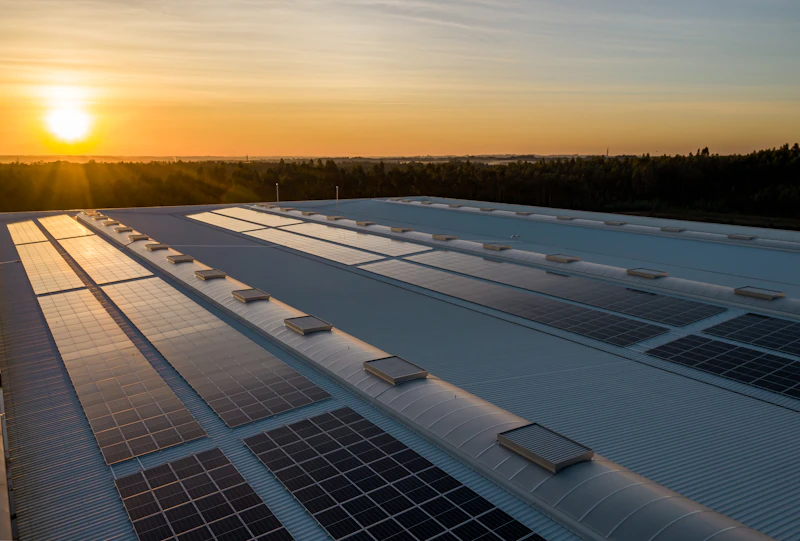
Image: Remote off-grid installation in Austrian Alps (Credit: SolarPower Europe)
Core Components Explained
Let's demystify what makes these systems tick. Every off-grid setup contains four heroes working in concert:
- Solar Panels: Your sunlight harvesters (typically 300-400W each)
- Battery Bank: Energy reservoirs (Lithium-ion now dominates 85% of new installations)
- Charge Controller: The intelligent traffic cop regulating energy flow
- Inverter: Translates DC solar energy into AC for your appliances
| Component | Function | Key Metric |
|---|---|---|
| Battery Storage | Stores excess solar energy | Depth of Discharge (DoD): 80-90% for Li-ion |
| Hybrid Inverter | Manages AC/DC conversion & grid backup | Efficiency: 95-98% in modern systems |
Notice how batteries are the heart of the system? That's why we size them based on your "energy nights" - those sunless periods when you'll rely on stored power.
Why Europe is Embracing Off-Grid
Remember the 2022 energy crisis? When European electricity prices spiked by 300% in some regions? That wasn't just a bill shock - it was a wake-up call. Off-grid systems transform vulnerability into resilience:
- Rural properties avoid €15,000+/km grid connection fees
- Mountain cabins maintain power during snowstorms that collapse transmission lines
- Farmers eliminate energy costs for irrigation pumps
But here's what surprised even us: Modern lithium batteries now last 15+ years - nearly double older lead-acid tech. And with panel efficiency exceeding 22%, you need 30% less roof space than just five years ago. Isn't it fascinating how quickly the economics have shifted?
Real-World Success: Swedish Case Study
Let me share how the Eriksson family near Kiruna (200km north of Arctic Circle) achieved year-round energy independence. Their challenge? Only 3 daylight hours in winter and temperatures plunging to -30°C.

Image: Off-grid home in Nordic climate (Credit: Arctic Solar Project)
Their solution:
- 18.4kW solar array with snow-shedding tilt mounts
- 40kWh lithium battery bank (with heated enclosure)
- Biomass backup generator for extreme conditions
The result? 94% solar self-sufficiency despite Arctic conditions, saving €4,200 annually versus diesel generators. As Mrs. Eriksson told me: "When the polar night comes, our lights stay on - that's priceless."
Designing Your Optimal System
Creating your off-grid haven isn't about maxing out panels - it's about precision balancing three factors:
- Consumption Profile: Track your kWh usage patterns seasonally
- Solar Potential: Use PVGIS for location-specific irradiance data
- Autonomy Days
Consider this golden rule: Your battery capacity should be 2-3 times your daily consumption. Why? Because you'll rarely drain batteries fully, and reserve power prevents panic during unexpected clouds. And here's a pro tip - oversize your inverter by 20% beyond peak load. Those espresso machine power surges? Your system will thank you.
Future-Proofing Your Energy
While today's systems are impressive, emerging tech will redefine what off grid solar system means. Solid-state batteries arriving in 2025 promise 50% more storage in the same space. AI-powered energy managers (like SolarEdge's new platform) can predict consumption patterns and weather changes with 90% accuracy. And modular systems? They let you start small and expand like building blocks. But I'm curious - what energy goals would make your dream off-grid system?
 Inquiry
 Online Chat