


Solar Energy: How Much Do You Really Need?
Table of Contents
The Solar Sizing Mystery
Ever stood in your backyard squinting at your roof wondering, "Exactly how much solar energy do I need to power my life?" You're not alone! Across Europe, homeowners face this critical question when transitioning to renewable energy. The uncertainty stems from unique energy profiles—your morning espresso ritual differs from your neighbor's, and those long Nordic winters alter energy equations dramatically. Getting this wrong means either oversized systems draining your budget or undersized panels leaving you reliant on the grid.
 Image: Homeowner assessing roof potential. Source: Unsplash (Creative Commons)
European Energy Consumption Patterns
European energy needs vary wildly—a Barcelona apartment consumes 40% less than a Stockholm villa during winter peaks. Industry data reveals fascinating patterns:
| Location | Avg Annual Consumption | Recommended Solar Capacity | Key Influencers |
|---|---|---|---|
| Southern EU (Spain, Italy) | 3,500 kWh | 4-5 kW | High sunlight, cooling needs |
| Central EU (Germany, France) | 4,200 kWh | 6-7 kW | Seasonal variations, heating |
| Nordic Regions | 6,800+ kWh | 8-10 kW | Winter darkness, heating demands |
Three non-negotiable factors determine your ideal capacity:
- Historical Usage: Analyze 12-month utility bills to identify baselines
- Sunlight Exposure: Munich gets 1,600 sunlight hours/year vs. Athens' 2,900
- Future Electrification: Planning an EV? Add 3-4 kW per vehicle
Case Study: The Müller Family Transformation (Berlin)
Meet the Müllers—parents, two teens, and an electric VW ID.4. Their 1920s home consumed 5,000 kWh/year before solar. Partnering with Berlin-based installer Enerparc, they deployed:
- 7.2 kW rooftop system (18 x 400W panels)
- 10 kWh lithium-ion storage
- Smart energy diverter for EV charging
The results? 79% energy independence, €1,200 annual savings, and 3.2-ton CO₂ reduction. Mrs. Müller noted, "Our battery carries us through winter nights—seeing near-zero grid imports feels revolutionary."
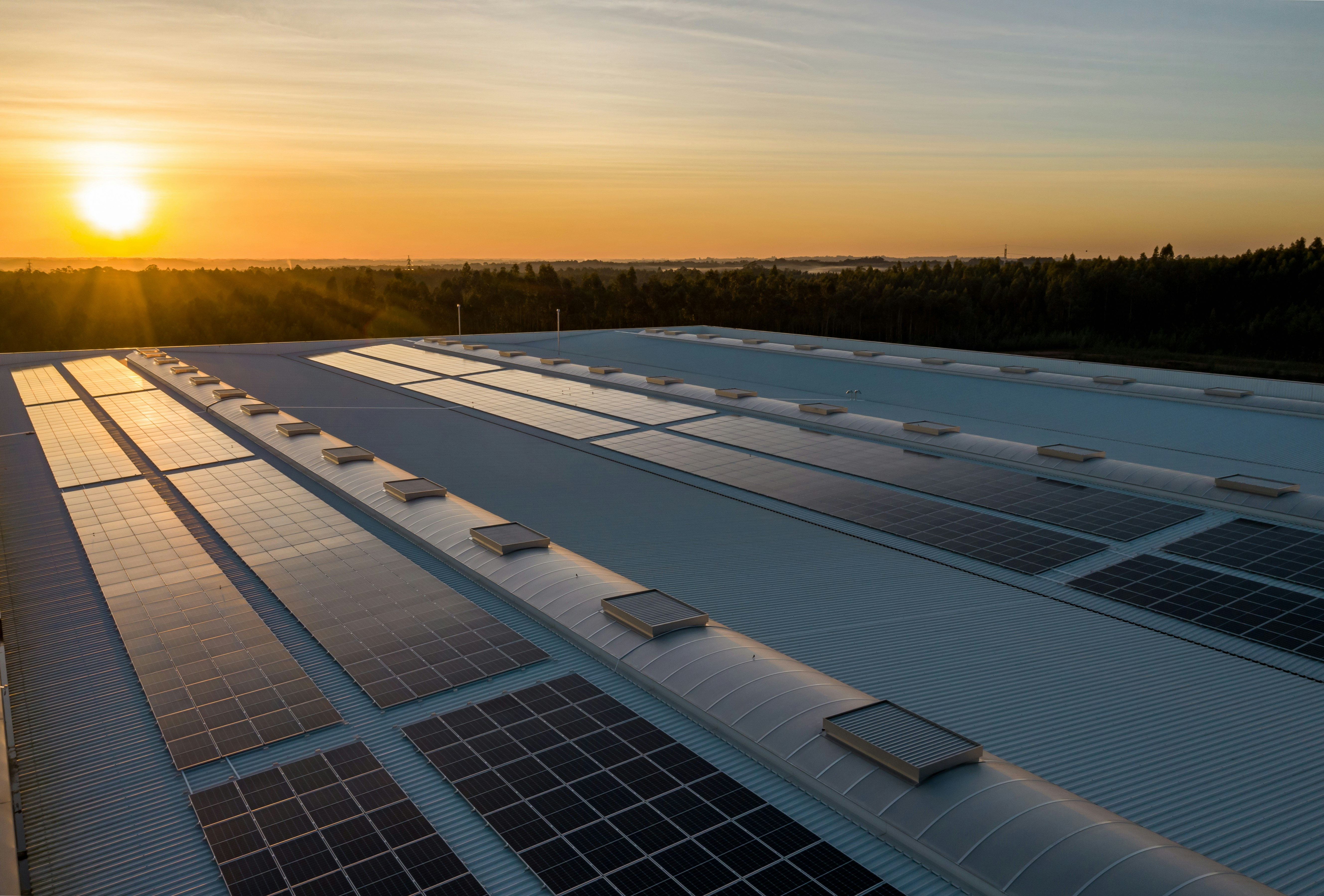 Image: Berlin residential solar installation. Source: Unsplash (Creative Commons)
Battery Storage: Your Energy Security Blanket
Solar without storage is like a sports car with no fuel tank—it can't harness its full potential. As Europe faces volatile energy prices, storage transforms solar systems from supplemental to primary sources. Consider this:
- 5 kW solar + 5 kWh battery = 55-65% self-sufficiency
- 5 kW solar + 10 kWh battery = 75-85% self-sufficiency
Lithium-ion solutions now achieve 90%+ round-trip efficiency—compared to 70% for older lead-acid tech. For households with peak evening usage (hello, family dinners and Netflix marathons!), storage bridges the dusk gap when solar generation plummets but demand soars.
Smart Homes & Future-Proofing
Imagine your system talking to your EV and heat pump! Modern solar inverters like SolarEdge's Energy Hub integrate with smart home ecosystems. Dynamic load management prioritizes energy to your heat pump during price surges, ensuring comfort without grid penalties.
Take Control of Your Energy Destiny
Ready to crack your personal solar code? Use our SolarCalculator tool to model scenarios based on your roof size, location, and habits. What energy independence milestones would change your life—a €0 utility bill? 100% EV charging from sunlight? Emergency backup during storms?
Your turn: How many peak sunlight hours does YOUR roof get annually? Use satellite tools like Global Solar Atlas to find out!
 Inquiry
 Online Chat