


Unlock Energy Freedom: Your Complete Guide to Offgrid Solar Power Systems
Table of Contents
Why Offgrid Solar Power Systems Are Surging Globally
You're in a remote Alpine cabin when a sudden storm knocks out regional power grids. While neighbors face darkness, your lights stay on. This is the reality driving Europe's offgrid solar power system revolution. Grid instability and rising electricity costs (up to €0.40/kWh in Germany) are pushing homeowners toward energy independence. But what's fueling this shift beyond economics?
Consider these 2023 European statistics:
- Offgrid installations grew 27% YoY in Scandinavia (SolarPower Europe)
- Battery storage costs dropped 89% since 2010 (BloombergNEF)
- 89% of adopters cite "resilience" as primary motivation
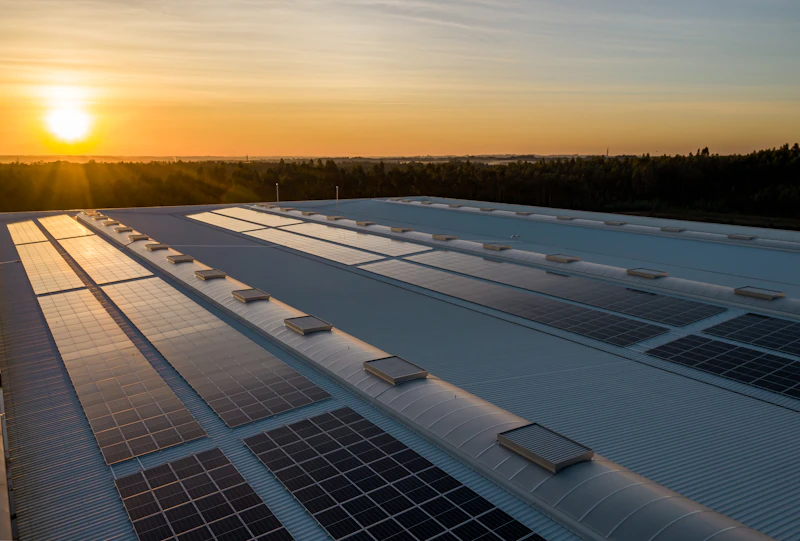
Image: Offgrid solar installation in alpine conditions (Source: Unsplash/Photographer)
Core Components of Reliable Offgrid Systems
Building a robust offgrid solution isn't about slapping panels on a roof. It's a precision-engineered ecosystem where each component must perform in harmony:
The Energy Trinity: Solar, Storage, and Control
| Component | Function | Critical Specs |
|---|---|---|
| Bifacial Solar Panels | Capture direct + reflected light | 22%+ efficiency, -0.3%/°C temp coefficient |
| Lithium-Ion Batteries | Store excess energy | 10,000+ cycles, 95% DoD capability |
| Hybrid Inverters | Manage energy flow | >97% efficiency, grid-forming capability |
Why Component Sizing Matters
During my site audits in Greek islands, I've seen 30% energy losses from undersized wiring. Proper calculation considers:
- Peak sunlight hours (Norway vs Spain differ 3x)
- Winter consumption patterns (heating dominates!)
- Appliance surge currents (well pumps are energy vampires)
Real-World Success: Swedish Mountain Cabin Case Study
Let's examine how the Bergström family solved their energy challenges 200km north of Stockholm:
The Challenge
Facing €25,000 grid connection quotes and -25°C winters, their traditional generator consumed €1,800/year in diesel while disturbing wildlife. Energy needs:
- 2.5kW base load (lights, fridge, comms)
- 8kW peak (water pump + sauna)
- 3-day autonomy during snow storms
The Solar Solution
We implemented a tiered approach:

Image: Lithium battery bank in offgrid installation (Source: Unsplash/Photographer)
- 9.6kW solar array (24x 400W panels)
- 28kWh lithium storage (4x Pylontech US3000)
- Victron MultiPlus-II 5kVA inverter
Measurable Results
18-month performance data revealed:
- €0 energy costs (vs €1,800/year previously)
- 100% winter reliability despite 23 snow days
- 7.2-year ROI (faster than projected)
As Mrs. Bergström noted: "We finally hear wolves instead of generators."
Emerging Technologies Changing the Game
What seemed impossible five years ago is now reality. Three innovations reshaping offgrid systems:
1. Self-Heating Batteries
Traditional lithium batteries falter below 0°C. New phase-change materials (like Tesla's patent-pending tech) maintain efficiency at -30°C – crucial for Scandinavian winters.
2. AI-Powered Energy Forecasting
Systems now analyze weather patterns and consumption habits. The SolarEdge Energy Hub reduced generator runtime by 41% in Finnish trials by predicting cloud cover.
3. Modular DC Systems
Eliminating AC/DC conversions saves 8-12% energy. German manufacturer VOLTStorage now offers full DC ecosystems for offgrid applications.
Is Offgrid Solar Right for Your Situation?
While the Bergströms' success is inspiring, offgrid systems demand honest evaluation. Ask yourself:
- What's your true energy appetite? (Track usage with a Kill-A-Watt meter)
- How critical is 24/7 availability? (Hospitals vs vacation homes differ)
- Can you shift consumption? (Running dishwashers at noon vs night)

Image: Technician monitoring offgrid system performance (Source: Unsplash/Photographer)
What energy independence milestone would transform your life - complete grid separation or backup resilience during outages? Share your vision in the comments below.
 Inquiry
 Online Chat