


Unlocking Energy Freedom: The Power of Sistemas de Energia Fotovoltaica
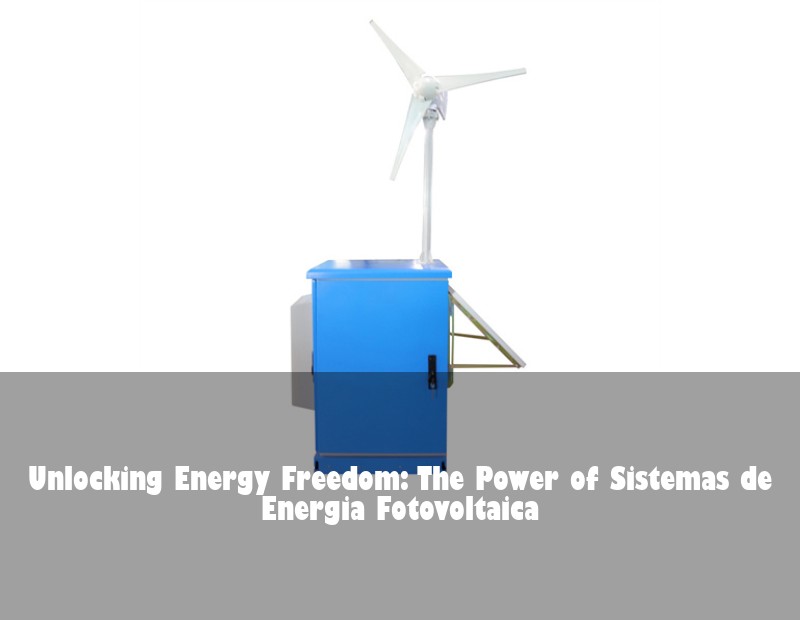
Imagine your electricity meter running backward while sunlight powers your home. Across Europe, homeowners and businesses are experiencing this reality through sistemas de energia fotovoltaica. As energy costs soar and climate commitments tighten, these solar solutions transform rooftops into power stations. Let's explore how this technology reshapes Europe's energy landscape.
Table of Contents
- Europe's Energy Crossroads: Crisis and Opportunity
- How Sistemas de Energia Fotovoltaica Provide Answers
- Real Impact: A Spanish Hospital's Solar Transformation
- Key Implementation Considerations
- The Bright Future of European Solar Adoption
Europe's Energy Crossroads: Crisis and Opportunity
European households faced 25-40% electricity price hikes between 2021-2023 according to Eurostat. This volatility exposes a harsh reality: dependence on imported fossil fuels creates economic vulnerability. Meanwhile, the EU's binding target of 45% renewable energy by 2030 demands immediate action. The convergence of these pressures creates perfect conditions for solar adoption.
The Hidden Costs of Energy Dependence
Consider these pain points:
- Unpredictable monthly bills disrupting household budgets
- Carbon-intensive grids undermining sustainability goals
- Infrastructure limitations in rural communities
How Sistemas de Energia Fotovoltaica Provide Answers
Photovoltaic systems convert sunlight directly into electricity through semiconductor cells. Modern installations overcome historical limitations:
| Component | Advancement | Benefit |
|---|---|---|
| Panels | PERC Technology | 22%+ efficiency vs 15% a decade ago |
| Inverters | Hybrid Systems | Seamless grid/battery switching |
| Monitoring | AI-driven analytics | Real-time performance optimization |
The Financial and Environmental Equation
Modern systems deliver dual returns:
- ROI Acceleration: Payback periods shortened from 10+ years to 5-7 years across Southern Europe
- Carbon Reduction: 1kW solar array prevents ~500kg CO2 emissions annually
- Energy Security: Onsite generation with battery backup during grid outages
Real Impact: A Spanish Hospital's Solar Transformation

Image source: Unsplash - Commercial solar installation in Valencia
Hospital Universitari i Politècnic La Fe in Valencia installed 1.2MW of rooftop PV in 2022. The results exceeded expectations:
- Annual savings: €180,000 on electricity costs
- Carbon reduction: 420 tonnes CO2 equivalent
- Critical power resilience during heatwave grid stress
Project manager Elena Rodríguez notes: "Our solar investment now covers 30% of our daytime energy needs. More importantly, it ensures uninterrupted power for life-saving equipment." (Source: IRENA Case Study)
Key Implementation Considerations
Successful installations require strategic planning:
Three Critical Evaluation Factors
- Site Assessment: Roof orientation/shading analysis using LiDAR mapping
- Technology Matching: Thin-film vs monocrystalline selection for local conditions
- Regulatory Alignment: Navigating country-specific feed-in tariffs like Spain's RD 244/2019
Common Installation Pitfalls
Avoid these frequent mistakes:
- Undersizing battery storage for night-time needs
- Neglecting monitoring system integration
- Overlooking maintenance planning for dust/snow removal
The Bright Future of European Solar Adoption
Three emerging trends will accelerate adoption:
Technology Leapfrogging
Perovskite solar cells promise 30%+ efficiency at lower production costs. Pilot projects in Germany already achieve 28.2% conversion rates according to Fraunhofer ISE (Source).
Policy Tailwinds
EU's Solar Rooftop Initiative mandates solar installations on new public/commercial buildings by 2026 and residential by 2029. Combined with VAT reductions on solar products, this creates unprecedented incentives.
What energy independence milestone could your organization reach within two years?
Discover how customized sistemas de energia fotovoltaica can transform your energy profile while contributing to Europe's renewable future. (EU Policy Reference)
 Inquiry
 Online Chat