


Insulation and Energy Storage: The Unbeatable Pair for Energy Independence
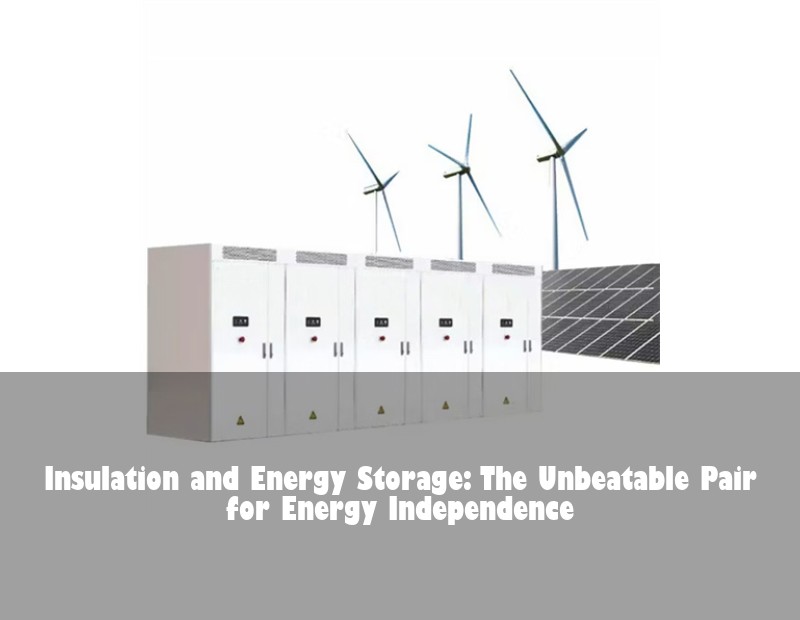
Imagine your home as a leaky bucket: Even if you pour in renewable energy, poor insulation lets precious resources escape. Now picture sealing that bucket while adding a reservoir—that's the transformative power of combining insulation and energy storage. Across European winters and energy crises, this duo is rewriting sustainability rules.
Table of Contents
- The Silent Energy Drain: Why Efficiency Alone Isn't Enough
- By the Numbers: Europe's Insulation Gap and Storage Potential
- Hamburg Case Study: How a School Became Energy Positive
- The 1+1=3 Effect: How Insulation and Storage Amplify Each Other
- Beyond Batteries: Emerging Technologies to Watch
The Silent Energy Drain: Why Efficiency Alone Isn't Enough
Europe's charming old buildings hide a dirty secret: Up to 40% of heat slips through uninsulated walls and windows. While solar panels generate daytime power, energy storage without proper insulation is like filling a bathtub with the plug out—you lose gains overnight. Here's what happens:
- Thermal bridging in buildings causes 15-25% heat loss
- Peak renewable generation mismatches with evening energy demand
- Grid instability increases during "dark doldrums" (windless winter nights)
By the Numbers: Europe's Insulation Gap and Storage Potential
Let's examine the data driving Europe's retrofit revolution. The table below compares key metrics across building types:
| Building Type | Avg. Heat Loss (kWh/m²/yr) | Storage Payback Period | Combo Savings Potential |
|---|---|---|---|
| Pre-1945 Homes | 220-300 | 8-10 years | 68% |
| 1970s Apartments | 150-200 | 6-8 years | 57% |
| Modern Offices | 80-120 | 4-5 years | 42% |
Source: EU Energy Performance Certificates Database
 Image: Thermal visualization of insulation gaps (Credit: European Energy Agency)
Hamburg Case Study: How a School Became Energy Positive
When Hamburg's Stadtteilschule am Heidberg faced €46,000 annual heating bills, they implemented a 3-phase solution:
- Installed 30cm aerogel insulation (U-value: 0.15 W/m²K)
- Added 240kWh lithium-titanate battery storage
- Integrated 110kW solar canopy
The results? Energy bills dropped 92% while exporting surplus to the grid. During the 2021 energy crunch, they operated completely off-grid for 17 days—a compelling case for insulation and energy storage synergy.
The 1+1=3 Effect: How Insulation and Storage Amplify Each Other
This combination isn't just additive—it's multiplicative. Consider how they interact:
- Thermal inertia effect: Well-insulated structures maintain temperature, reducing battery cycling by 30-40%
- Peak shaving: Storage covers evening demand spikes after sunset when insulation's work is done
- System downsizing: Efficient buildings require smaller (and cheaper) storage systems
 Image: Integrated home energy storage (Credit: SolarPower Europe)
Beyond Batteries: Emerging Technologies to Watch
The innovation pipeline is accelerating. At Munich's BAU 2023 expo, we saw:
- Phase-change materials (PCMs) that store thermal energy within insulation layers
- Vacuum-insulated panels with 5x better performance than standard foam
- AI-driven "energy routers" that prioritize storage charging during insulation-optimal conditions
These developments aren't sci-fi—they're being piloted in Copenhagen's energy-positive hotels today.
Your Turn: What's Stopping You From Starting?
We've seen how German schools and Danish hotels are winning with insulation and energy storage. Now imagine your project: Which energy-draining weakness will you tackle first—the attic that's bleeding heat, or the solar potential going untapped? What local incentives could make your payback period surprisingly short?
 Inquiry
 Online Chat