


Heavy Duty Outdoor Cabinet: The Unsung Hero of Renewable Energy Infrastructure
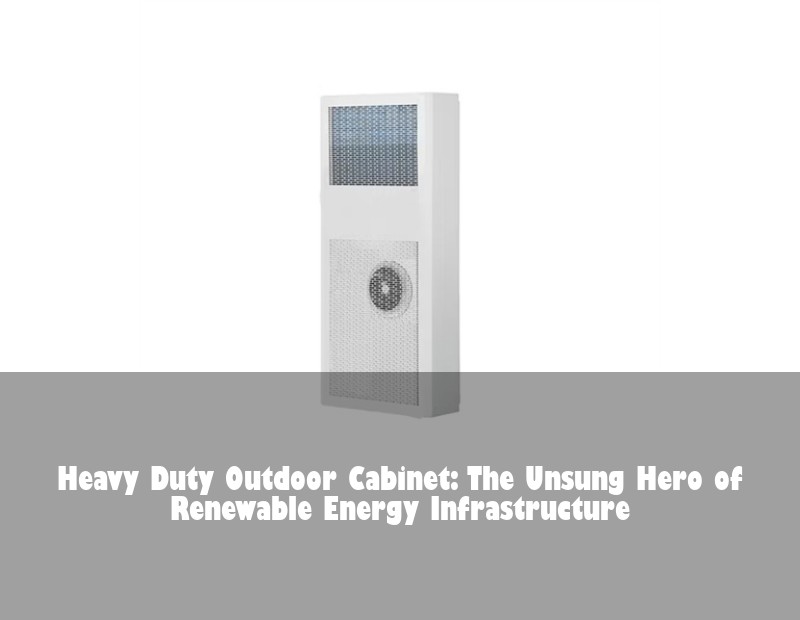
Table of Contents
- The Unseen Battle: Electronics vs. Nature
- By the Numbers: The Cost of Environmental Negligence
- Case Study: How a Scottish Wind Farm Saved €220k/year
- Heavy Duty Outdoor Cabinets: Engineering Resilience
- Key Features That Make the Difference
- Beyond Protection: The Smart Cabinet Advantage
- Choosing the Right Heavy Duty Outdoor Cabinet
a solar farm in southern Spain where inverters shut down during a sandstorm. Or a Norwegian wind turbine controller failing at -30°C. What's the common culprit? Inadequate protection for critical electronics. That's where the heavy duty outdoor cabinet enters the scene – not just as a metal box, but as an engineered fortress against nature's extremes.

Image: Weatherproof enclosures protecting control systems in harsh environments (Source: Renewable Energy World)
The Unseen Battle: Electronics vs. Nature
Europe's renewable sites face unique challenges. Coastal solar plants in Portugal battle salt spray that corrodes circuitry in months. German biogas facilities endure humidity levels exceeding 90%. Traditional enclosures crack under UV radiation or warp during freeze-thaw cycles. I've seen control systems fail within 18 months when housed in standard cabinets – a costly lesson in false economy.
By the Numbers: The Cost of Environmental Negligence
Consider these industry findings:
- Corrosion-related failures account for 34% of unplanned O&M costs in European solar farms (IEC Report 2023)
- Temperatures inside non-ventilated enclosures can exceed 60°C – 15°C above most electronics' operational limits
- Dust ingress causes 27% of inverter faults in Mediterranean regions
| Threat | Standard Cabinet Failure Rate | Heavy Duty Cabinet Failure Rate |
|---|---|---|
| Salt Spray Corrosion | 42% (3 years) | 3% (3 years) |
| Thermal Stress | 31% annual downtime | 5% annual downtime |
| IP Rating Compliance | IP54 (average) | IP66 (minimum) |
Case Study: How a Scottish Wind Farm Saved €220k/year
When the Kilmarnock Wind Cluster faced 35% annual failure rates in converter stations, their solution wasn't more repairs – it was better protection. After installing IP67-rated heavy duty cabinets with:
- 316L stainless steel construction
- Active thermal management (-40°C to +55°C operation)
- Pressurization systems against moisture ingress
Results within 18 months:
- Downtime reduced by 78%
- Maintenance costs cut by €220,000 annually
- ROI achieved in 14 months (WindPower Monthly Case Study)
Heavy Duty Outdoor Cabinets: Engineering Resilience
What transforms a metal box into a climate warrior? It starts with three non-negotiables:
- Material Science: Powder-coated carbon steel or marine-grade aluminum for coastal sites
- Dynamic Sealing: Compression gaskets that expand/contract with temperature swings
- Thermal Intelligence: Self-regulating HVAC systems maintaining ±3°C of setpoint
As one engineer in Denmark told me: "Our cabinets survive more extreme conditions than our technicians – and that's saying something!"
Key Features That Make the Difference
When evaluating heavy duty outdoor cabinets, these features separate adequate from exceptional:

Image: Active cooling system in heavy duty enclosure (Source: SolarPro Archive)
- Climate-Adaptive Ventilation: Automatically switches between filtered intake and closed-loop cooling
- Corrosion Combat: Zinc-rich primers with epoxy topcoats (tested to 2000h salt spray)
- Impact Resistance: 8J IK10 rated surfaces withstand hailstorms and tool drops
Beyond Protection: The Smart Cabinet Advantage
Modern heavy duty cabinets are becoming predictive guardians. The latest models feature:
- Integrated IoT sensors monitoring internal humidity/temperature
- Automated self-diagnostics alerting before failures occur
- Remote access configurations reducing technician exposure
In Swedish solar installations, these "smart cabinets" have reduced service visits by 60% – a significant advantage in remote locations.
Choosing the Right Heavy Duty Outdoor Cabinet
Not all environments demand the same protection. Consider this regional guide for Europe:
| Region | Primary Threat | Critical Cabinet Feature |
|---|---|---|
| Mediterranean | Dust/Sand | IP69K sealing + positive pressure |
| Nordic | Extreme Cold | Heated floors + low-temp materials |
| Coastal | Salt Corrosion | 316 stainless steel construction |
Remember: Overspecifying adds unnecessary cost, but underestimating environmental challenges costs far more. As we say in the industry: "Buy protection once, or pay for repairs forever."
 Inquiry
 Online Chat