


Build a Solar Powered Phone Charger: Your Ultimate Guide to Portable Freedom
Ever felt that pang of anxiety watching your phone battery dip into the red while hiking, camping, or simply commuting? You're not alone. In our hyper-connected world, reliable power isn't a luxury; it's a necessity. Imagine harnessing the sun's abundant energy to build a solar powered phone charger – a personal power station that fits in your backpack. This isn't just about convenience; it's about embracing energy independence and sustainable tech. Whether you're an avid adventurer exploring the Alps or a city dweller seeking resilience during commutes, solar charging offers a liberating solution. Let's explore how this technology works and how you can leverage it.
Table of Contents
- Why Solar Chargers Matter Now More Than Ever
- Essential Components: Building Blocks of Your Solar Charger
- European Success Story: Solar Charging in Action
- Choosing the Right Solution: DIY vs. Pre-Built
- The Future of Personal Solar Tech
Why Solar Chargers Matter Now More Than Ever
Our reliance on smartphones is staggering. The average European checks their phone 80+ times daily (Statista, 2023). Combine this with the surge in remote work and outdoor recreation – a trend amplified across Europe post-pandemic – and the demand for portable power explodes. Traditional power banks run flat, leaving you stranded. Grid outages, while less frequent in Western Europe, still occur. Solar chargers address this by tapping into a perpetually renewable resource: sunlight. They transform photons directly into usable electricity, offering true off-grid capability. This shift isn't just practical; it aligns perfectly with Europe's ambitious Green Deal goals, empowering individuals to reduce their carbon footprint one charge at a time.
Essential Components: Building Blocks of Your Solar Charger
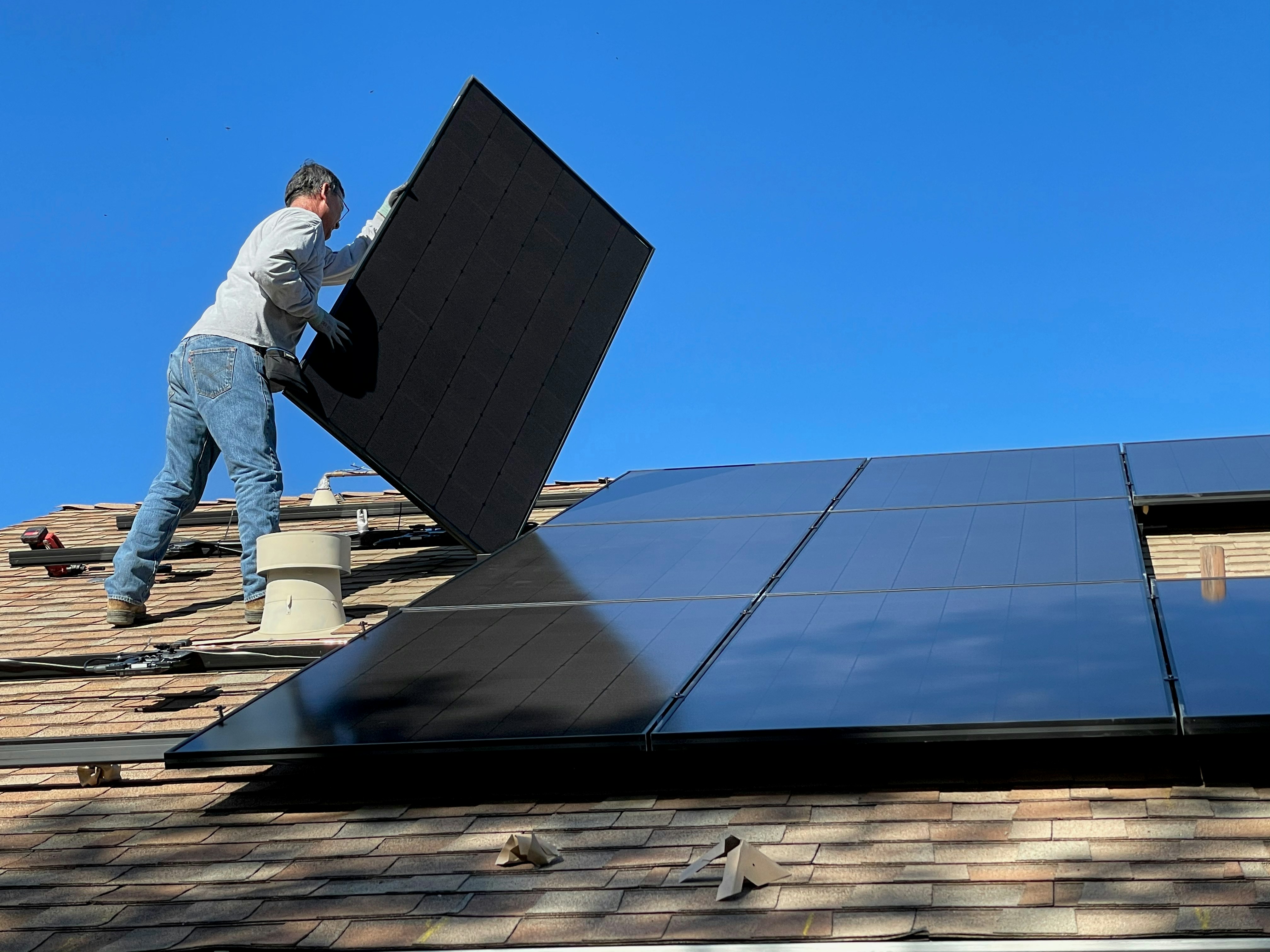
Building an effective solar charger hinges on understanding its core parts. Think of it as a miniaturized solar power plant:
- Solar Panel(s): The engine. Photovoltaic (PV) cells convert sunlight to DC electricity. Monocrystalline silicon panels are the gold standard for portability due to their high efficiency (typically 20-25%) in varying light conditions, crucial for European weather. Size and wattage (e.g., 10W, 20W) determine charging speed.
- Charge Controller (Often Integrated): The brain. Regulates voltage and current flowing from the panel to the battery. Prevents overcharging (damaging batteries) and optimizes power intake, especially vital under fluctuating cloud cover common in the UK or Scandinavia.
- Battery Pack (Portable Power Station): The reservoir. Stores the solar-generated electricity for later use. Lithium-ion (Li-ion) or Lithium Polymer (Li-Po) batteries are preferred for their high energy density, light weight, and lack of memory effect. Capacity is measured in milliamp-hours (mAh) or Watt-hours (Wh).
- Output Ports & Cables: The delivery system. USB-A, USB-C (increasingly vital for modern devices), and sometimes DC outputs. Cables must match your devices (e.g., USB-C to Lightning).
- Durable Housing & Mounting: The protector. Water-resistant (IPX4 minimum), dustproof, and rugged casing is essential for outdoor use. Some feature foldable designs or grommets for attaching to backpacks.
Maximizing Efficiency: Practical Tips & Real-World Data
Solar charging isn't magic; it's physics. Efficiency depends heavily on environmental factors:
| Factor | Impact on Charging | Mitigation Strategy |
|---|---|---|
| Sunlight Intensity | Direct, high-angle sun = fastest charging. Cloud cover can reduce output by 50-90%. | Position panel perpendicular to sun. Avoid shadows. |
| Panel Angle & Orientation | Optimal angle varies by season/latitude (e.g., steeper in winter for Northern Europe). | Use adjustable stands or improvise. South-facing in Northern Hemisphere. |
| Temperature | PV panels lose efficiency as they get hotter (common downside). | Ensure slight airflow under panel. Avoid dark surfaces. |
| Battery State | Charging a deeply depleted battery takes longer initially. | Maintain battery charge where possible. Use efficient power banks. |
Realistic Expectations: A quality 20W panel in optimal UK summer sun might generate 12-15W (60-75% of rated power). Charging a 5000mAh phone battery from 0% could take 3-4 hours directly via solar, or 6-8 hours charging a 20,000mAh power bank which then charges the phone faster. Patience is key!
European Success Story: Solar Charging in Action
Consider the 'Bergsteiger Rhein-Main' hiking club based near Frankfurt, Germany. Facing frequent multi-day treks in the Black Forest and Alps, member phone battery anxiety was high. Access to grid power was unreliable on trails. In 2022, they adopted a solution: robust, foldable 28W monocrystalline panels coupled with high-capacity (25,000mAh) Li-Po power banks.
The Outcome (Measurable Impact):
- 90% Reduction in "Battery Anxiety" Reports: Members consistently kept phones, GPS devices, and headlamps charged.
- Enhanced Safety: Reliable communication and navigation powered throughout trips.
- Sustainability Metric: Estimated to have collectively avoided over 200 disposable battery packs annually, significantly reducing waste (European Environment Agency tracks battery waste impacts).

"Knowing we can reliably recharge devices using just sunlight transformed our multi-day hikes," noted club leader, Anika Müller. "It's pure freedom and aligns perfectly with our commitment to Leave No Trace principles." This mirrors the experience of countless European outdoor enthusiasts, from Scottish Highlands walkers to Spanish Camino pilgrims.
Choosing the Right Solution: DIY vs. Pre-Built
Should you build your own or buy a ready-made kit? Both paths have merits:
- Pre-Built Kits (Recommended for Most):
- Pros: Plug-and-play simplicity, rigorously tested safety (CE certified for Europe), weatherproofing, integrated components optimized to work together, warranty. Brands like Anker, Goal Zero, or BioLite excel here.
- Cons: Less customization, potentially higher upfront cost for premium features.
- DIY Assembly (For Enthusiasts):
- Pros: Ultimate customization (choose exact panel wattage/size, battery capacity, features), potential cost savings sourcing components individually, rewarding project.
- Cons: Requires technical knowledge (soldering, basic electronics, understanding voltage/current), time investment, self-sourcing compatible components, safety risks if improperly assembled (fire/electrocution hazard), lack of weatherproofing unless meticulously designed.
Expert Insight: For reliability and safety, especially for critical use cases, certified pre-built kits are generally the safer, more practical choice for the European market. DIY is fantastic for learning but demands significant expertise.
The Future of Personal Solar Tech
The trajectory is exciting. Expect continuous improvements driven by European R&D (EU Research & Innovation):
- Higher Efficiency Panels: Perovskite solar cells and tandem technologies promise efficiencies exceeding 30%, meaning smaller, more powerful panels.
- Integrated Solutions: Solar panels seamlessly woven into backpack fabric or incorporated into outdoor gear surfaces.
- Faster Charging & Smart Management: Advanced power electronics (GaN) enabling faster USB-C PD charging, coupled with AI-driven energy management optimizing power flow based on device needs and solar input.
- Enhanced Durability & Aesthetics: Ultra-lightweight, flexible, and more aesthetically pleasing designs suitable for urban environments as well as wilderness.
We're moving towards an era where personal solar charging is ubiquitous – not just for emergencies, but for daily empowerment.
Ready to Experience True Power Independence?
What's the first adventure or daily scenario where your own solar-powered phone charger would make the biggest difference for you? Whether it's ensuring you never miss capturing that sunset summit photo or simply knowing you're prepared for anything the grid (or the trail) throws at you, the power of the sun is waiting to be harnessed. Isn't it time you took control?
 Inquiry
 Online Chat