


Unlock Energy Resilience with ISO 50001 Energy Management for Solar & Storage
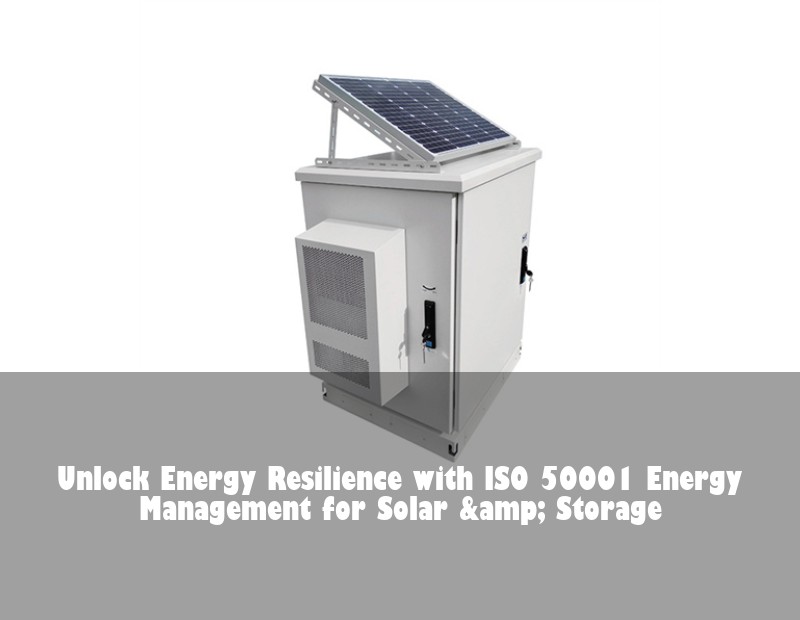
Imagine your solar panels generating abundant power, yet your energy bills remain stubbornly high. This disconnect between renewable potential and real-world efficiency plagues many European businesses. The solution? A systematic approach: ISO 50001 energy management. This globally recognized standard isn't just about compliance; it's your blueprint for transforming solar and storage investments into undeniable cost savings and carbon reduction. Let’s explore how integrating ISO 50001 elevates your energy strategy.
Table of Contents
- Europe's Energy Cost Crisis: More Than Just Price Volatility
- ISO 50001 Demystified: Beyond the Certificate
- Why Solar + Storage + ISO 50001 = Unbeatable Trio
- Proof in Practice: A Bavarian Factory's Success Story
- Your Action Plan: Embedding ISO 50001 in Energy Operations
- Where Will Your Energy Leadership Take You?
Europe's Energy Cost Crisis: More Than Just Price Volatility
European manufacturers faced a 40% average increase in energy costs between 2021-2023 (Eurostat, 2023). While solar offers relief, without strategic management, up to 30% of potential savings from PV systems can be lost through operational inefficiencies and suboptimal storage use. Reactive energy policies simply won't cut it anymore.
ISO 50001 Demystified: Beyond the Certificate
ISO 50001 provides a structured framework for continuous energy improvement. Think of it as the operating system for your energy assets:
- Plan: Establish baselines, objectives, and energy performance indicators (EnPIs).
- Do: Implement energy-saving actions and integrate controls.
- Check: Monitor & measure against EnPIs using real-time data.
- Act: Review and continually improve the system.
It transforms energy from a fixed cost into a manageable variable.  Image Source: Wikimedia Commons (ISO 50001 PDCA Cycle)
Why Solar + Storage + ISO 50001 = Unbeatable Trio
Integrating ISO 50001 with your solar and battery storage unlocks multiplicative benefits:
| Component | Without ISO 50001 | With ISO 50001 |
|---|---|---|
| Solar PV Generation | Production monitored passively | Data-driven cleaning/maintenance schedules optimize yield |
| Battery Storage | Basic charge/discharge cycles | AI-driven dispatch based on cost, demand, & carbon intensity forecasts |
| Energy Consumption | Reactive load management | Processes scheduled to maximize solar self-consumption |
This synergy turns your renewable assets into a precision instrument for cost and carbon control.
Proof in Practice: A Bavarian Factory's Success Story
Consider Müller Industrietechnik GmbH, a mid-sized automotive supplier in Bavaria facing crippling energy costs. After installing a 1.2 MWp solar array and 800 kWh storage, they implemented ISO 50001:
- The Challenge: High baseload consumption, unpredictable storage ROI, volatile grid prices.
- ISO 50001 Actions:
- Established precise EnPIs for each production line.
- Integrated storage control with real-time energy pricing APIs.
- Shifted high-energy processes (e.g., aluminum casting) to peak solar hours.
- Results (18 Months):
- 23% Reduction in total energy costs (€412,000 saved annually).
- Self-consumption of solar power increased from 55% to 82%.
- Battery ROI accelerated by 2.4 years.
- Certified 12.8% reduction in specific energy consumption (SEC).
"ISO 50001 gave us the framework to make our solar and storage talk to each other and to our production schedule. It's now core to our operational DNA." - Franz Huber, Energy Manager. Fraunhofer ISI validated these results, common among German Mittelstand adopters.
 Image Source: Unsplash (German Industrial Solar Installation)
Your Action Plan: Embedding ISO 50001 in Energy Operations
Ready to move beyond basic monitoring? Here’s your roadmap:
- Gap Analysis: Audit current energy flows vs. ISO 50001 requirements (Use ISO's checklist).
- Data Foundation: Deploy sub-metering on critical loads and integrate solar/storage SCADA data.
- Set Dynamic EnPIs: Go beyond "kWh used" – track "kWh consumed per unit produced during solar peak."
- Automate & Optimize: Use EMS platforms with ISO 50001 modules to automate storage dispatch based on EnPIs.
- Culture Shift: Train teams – energy responsibility extends beyond the sustainability officer!
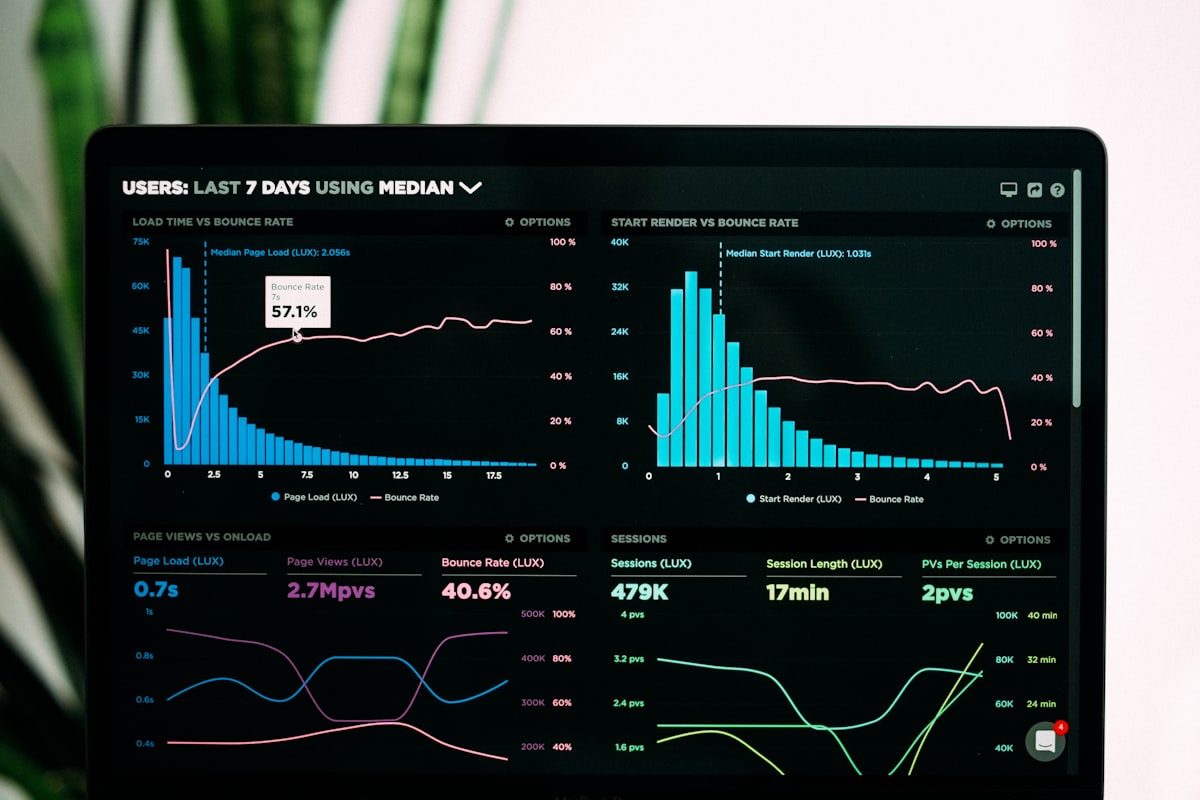 Image Source: Unsplash (Energy Management System Dashboard)
Where Will Your Energy Leadership Take You?
ISO 50001 energy management transforms your solar and storage from passive assets into active strategic tools. It’s not about more data; it’s about smarter decisions driving real euros and CO2 savings. As the EU tightens Energy Efficiency Directive requirements, proactive compliance becomes a competitive edge. Is your organization prepared to turn its energy investments into its most predictable source of value?
 Inquiry
 Online Chat