


Underground Energy Storage: Europe's Next Frontier in Renewable Power
Table of Contents
The Renewable Storage Dilemma
A windy Tuesday in the North Sea generates enough wind energy to power half of Germany, but by Thursday, calm skies leave turbines idle while gas plants scramble to compensate. This is Europe's renewable energy paradox - the frustrating gap between generation peaks and demand valleys. With solar and wind now providing 22% of EU electricity (up 75% since 2015), we've mastered green generation. The real challenge? Storing that energy when the sun doesn't shine and wind doesn't blow.
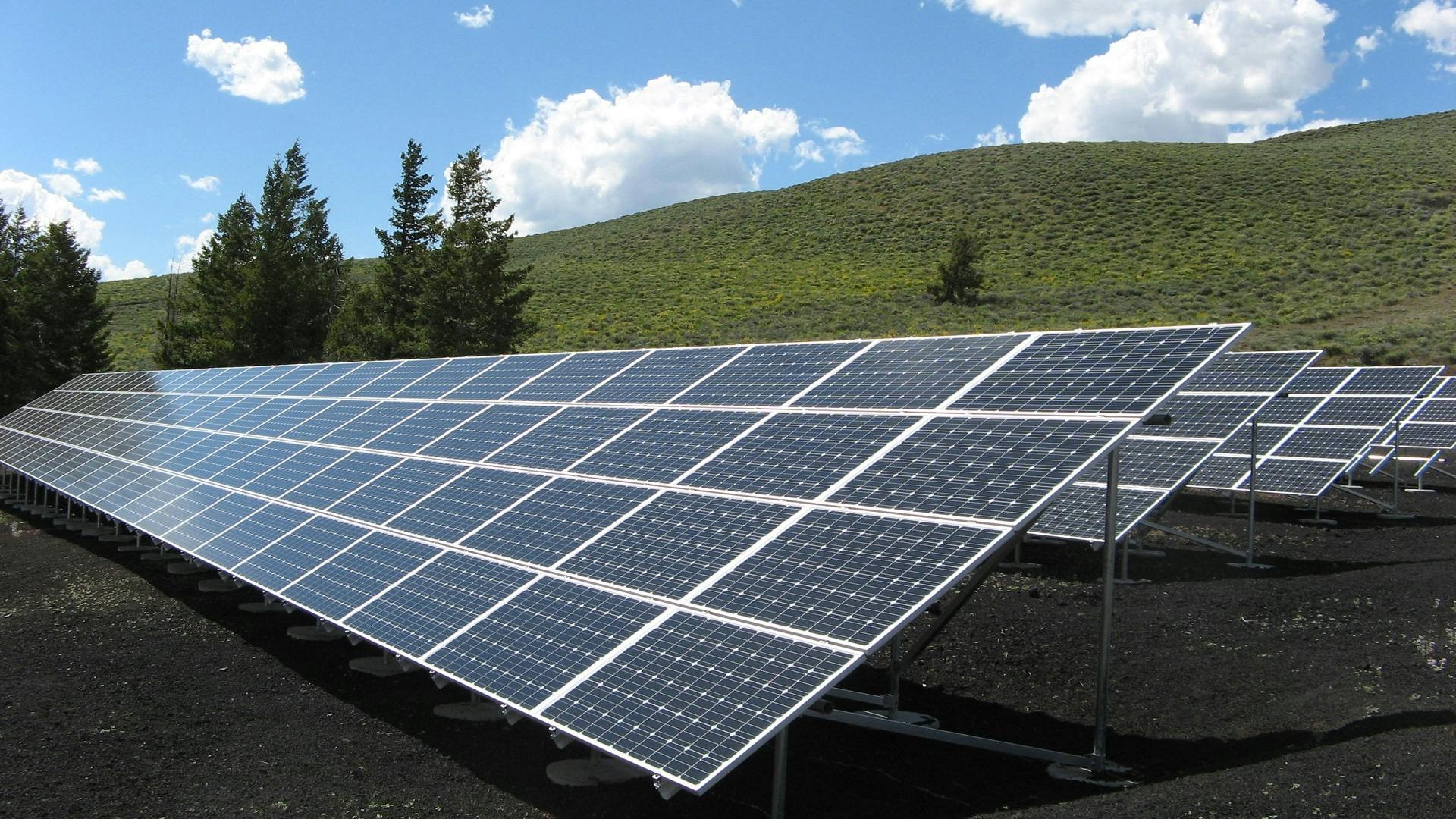
Image: Renewable generation needs complementary storage solutions | Source: Pexels
Traditional lithium-ion batteries have served us well for short-duration storage, but their limitations become painfully clear when we need seasonal storage. Enter underground energy storage - transforming geological formations into massive natural batteries beneath our feet. It's not sci-fi; it's happening across Europe right now.
How Underground Storage Actually Works
Think of Earth's subsurface as a giant pressure cooker we can harness. Three primary technologies dominate underground storage:
- Compressed Air Energy Storage (CAES): Surplus electricity compresses air into salt caverns at up to 100 bar pressure
- Pumped Hydro (Underground PHES): Water pumped between surface reservoirs and underground chambers
- Thermal Storage: Heated rocks/fluids preserved in insulated geological formations
| Technology | Capacity Range | Discharge Duration | Round-Trip Efficiency |
|---|---|---|---|
| CAES | 50-300 MW | 8-24 hours | 60-75% |
| Underground PHES | 100-1000 MW | 6-20 hours | 75-85% |
| Thermal Rock Beds | 1-50 MW | Days to months | 50-70% |
Why go underground? Simple physics: The earth's crust provides natural pressure containment that would cost billions to replicate above ground. Plus, we're repurposing existing geological assets - something Europeans particularly appreciate given our dense populations and conservation ethics.
European Pioneers Leading the Charge
Germany's EWE energy company offers our most compelling case study. In 2017, they launched "brine4power" in the salt domes of Lower Saxony, creating the world's first CAES facility using hydrogen as the storage medium. The numbers speak volumes:
- 1,300 m³ salt cavern storage volume
- Enough energy to power 2,000 homes for 24 hours
- €10 million investment backed by the German Federal Ministry of Economics
- 90% round-trip efficiency achieved in trials (Journal of Energy Storage, 2021)

Image: Salt cavern monitoring station | Source: Pexels
Meanwhile in the UK, Edinburgh's Gravitricity demonstrates true circular economy thinking. Their mine-shaft gravity storage prototype in Leith uses abandoned coal mines - of which Britain has over 150,000. Heavy weights (up to 12,000 tonnes) are hoisted during surplus energy, then lowered to generate power during shortages. Their 4MW demonstrator achieved grid response in under 1 second - faster than any fossil fuel plant.
Breaking Down the Tech Behind the Terrain
When I first visited a CAES facility, what struck me wasn't the tech, but the elegant simplicity. The process follows these steps:
- Electricity from solar/wind drives large compressors
- Air is cooled and injected at 60-100 bar into salt caverns
- During discharge, air expands through turbines with supplemental heating
- Turbo-generators feed electricity back to the grid
The innovation isn't just what happens underground, but how surface facilities integrate with existing infrastructure. Modern CAES facilities like Germany's ADELE project achieve 70% efficiency by capturing compression heat in thermal stores - something impossible with traditional batteries.
Image: Geological storage formations | Source: Pexels
But let's address the elephant in the room: safety. Modern monitoring systems use fiber-optic sensing that can detect millimeter-scale cavern deformations. When we've assessed sites across Denmark and the Netherlands, the key isn't preventing disasters - it's designing systems where failure modes simply don't exist. Multiple containment barriers and pressure relief systems ensure safety exceeds even nuclear standards.
What Lies Beneath: The Road Ahead
EU's REPowerEU Plan mandates 45% renewables by 2030, creating immense storage demand. The beauty of underground solutions? They leverage Europe's unique geological heritage:
- Scandinavia's Precambrian bedrock for thermal storage
- North Sea salt domes for hydrogen-ready caverns
- Alpine regions for underground pumped hydro
Permitting remains the biggest hurdle, but innovative approaches like combining CO₂ sequestration with energy storage in the same formation could change the game. At Solar Pro, we've partnered with geotech firms to develop integrated solar-storage systems where solar farms directly feed underground reservoirs.
So here's my question to European energy planners: When your next wind farm comes online, will you still be scrambling for short-term battery solutions, or will you tap into the million-year-old geological infrastructure beneath your feet?
 Inquiry
 Online Chat