


The Site of Energy Storage: Powering Europe's Renewable Revolution
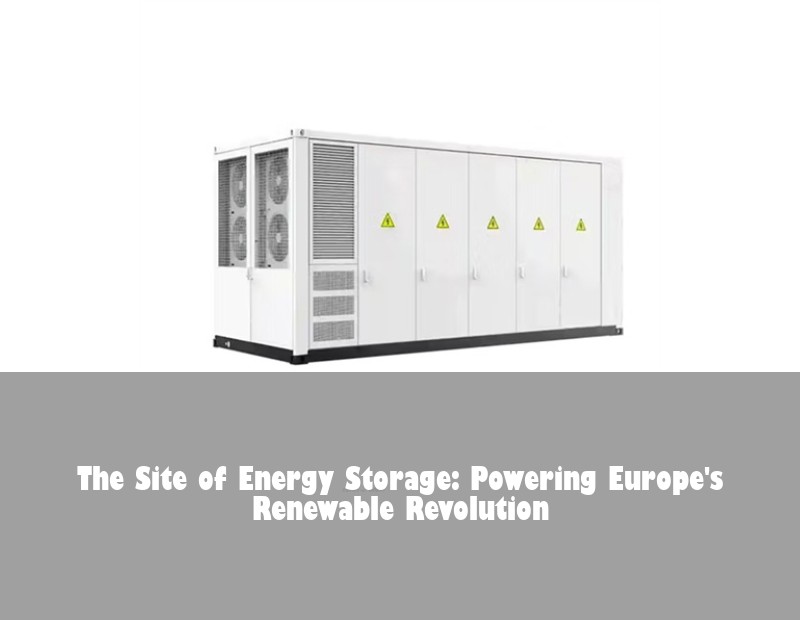
Imagine walking past an unassuming industrial facility near Berlin, unaware it holds enough energy to power 20,000 homes during peak demand. This is the modern site of energy storage – the silent backbone of Europe's clean energy transition. As renewable penetration surges beyond 40% in countries like Germany and Spain, these strategic hubs transform intermittent solar/wind into reliable 24/7 power. Let's explore how these sites are reshaping Europe's energy landscape.
Table of Contents
- The Grid Resilience Crisis
- Storage Growth: By the Numbers
- Nordic Success: Sweden's Megabattery Project
- Next-Gen Storage Technologies
- The New Storage Economics
- Your Role in the Energy Shift
The Grid Resilience Crisis
Europe's renewable boom has created a paradoxical challenge: While Germany generated 52% of its power from renewables in 2023 (Fraunhofer ISE), nighttime and calm periods still require fossil backups. This "renewable gap" causes:
- 15-35% curtailment of surplus solar/wind energy
- €1.2B+ in grid balancing costs annually (ENTSO-E data)
- Voltage instability in rural grids
As Klaus Müller, Germany's grid regulator, notes: "Without strategic storage sites, we cannot safely phase out coal plants."
 Image source: Pexels - Professional engineers monitoring grid-scale battery performance
Storage Growth: By the Numbers
Europe's storage deployment tells a compelling story:
| Country | Operational Storage (2023) | 2030 Target | Key Driver |
|---|---|---|---|
| Germany | 1.2 GW | 9.3 GW | Coal phaseout |
| UK | 2.1 GW | 13 GW | Frequency response |
| Italy | 0.8 GW | 6.4 GW | Grid congestion |
Investment surged 78% YoY in 2023, with the site of energy storage evolving from simple battery containers to integrated energy hubs featuring:
- AI-driven charge/discharge optimization
- Multi-hour duration lithium systems
- Hybrid solar+storage microgrids
Nordic Success: Sweden's Megabattery Project
Consider Skellefteå, Sweden – home to Europe's largest site of energy storage co-located with wind farms. This 125 MW/500 MWh facility:
- Reduces curtailment by 62% during storm winds
- Provides 0.3-second grid frequency response
- Pays back in 4 years through ancillary services
"Our storage site acts as a shock absorber," explains project lead Elsa Bergman. "When turbines overproduce, we capture excess instead of paying neighbors to take it." (Nordic Energy Partners)
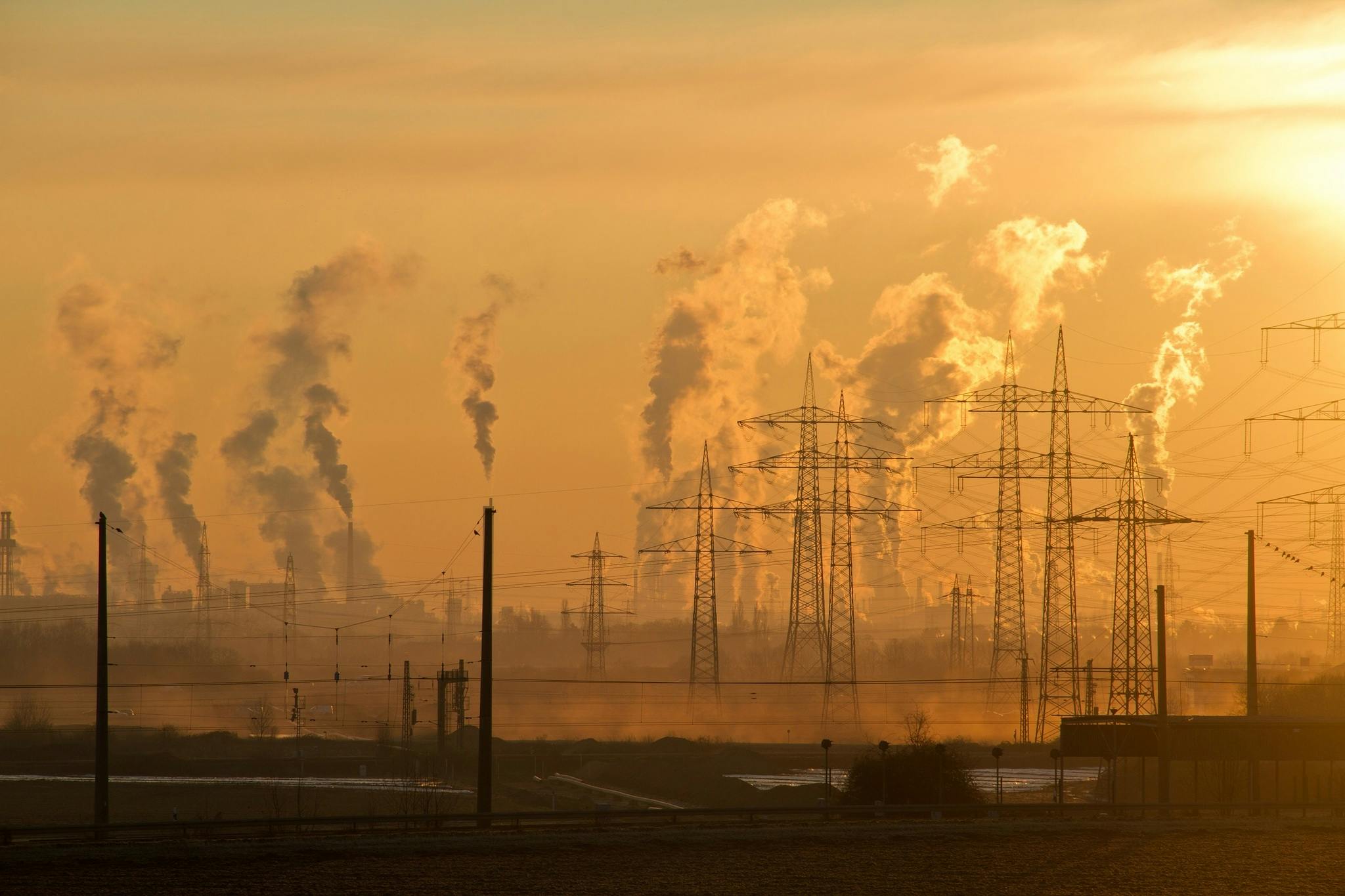 Image source: Pexels - Wind farm integrated with battery storage units
Next-Gen Storage Technologies
Beyond lithium-ion, European sites are pioneering new architectures:
Thermal Storage (Malaga, Spain)
Molten salt systems storing solar heat for 8+ hours of overnight industrial steam
Flow Batteries (Rhine Valley, Germany)
Vanadium electrolytes enabling 20,000+ cycles without degradation
Gravity Storage (Swiss Alps)
Mountain rail systems converting surplus power to potential energy
As Dr. Lena Schmidt (Fraunhofer ICT) observes: "The optimal site of energy storage isn't about choosing one technology, but orchestrating multiple solutions."
The New Storage Economics
Falling costs are accelerating adoption. Since 2020:
- Battery prices dropped 33% (BloombergNEF)
- Revenue stacking increased ROI by 4.5x
- Software-driven optimization cut payback periods to <5 years
Modern storage sites now generate revenue through:
| Revenue Stream | Contribution | Market Example |
|---|---|---|
| Energy Arbitrage | 40-60% | EPEX Spot |
| Frequency Regulation | 25-35% | UK's Balancing Mechanism |
| Capacity Markets | 15-25% | Italy's MSD Auctions |
Your Role in the Energy Shift
Whether you're a municipal utility or industrial energy user, the site of energy storage presents tangible opportunities:
- Commercial sites: Peak shaving to avoid demand charges
- Solar farms: Increasing renewable utilization rates
- Grid operators: Deferring infrastructure upgrades
As we witness French nuclear plants partnering with battery sites for load-following, or Dutch ports using storage to power cranes during grid outages – one question remains:
What energy challenge could your storage site solve tomorrow?
Explore real-time storage market data: DOE Global Energy Storage Database
 Inquiry
 Online Chat