


Solar Panels for Night Use: Unlocking 24/7 Renewable Energy
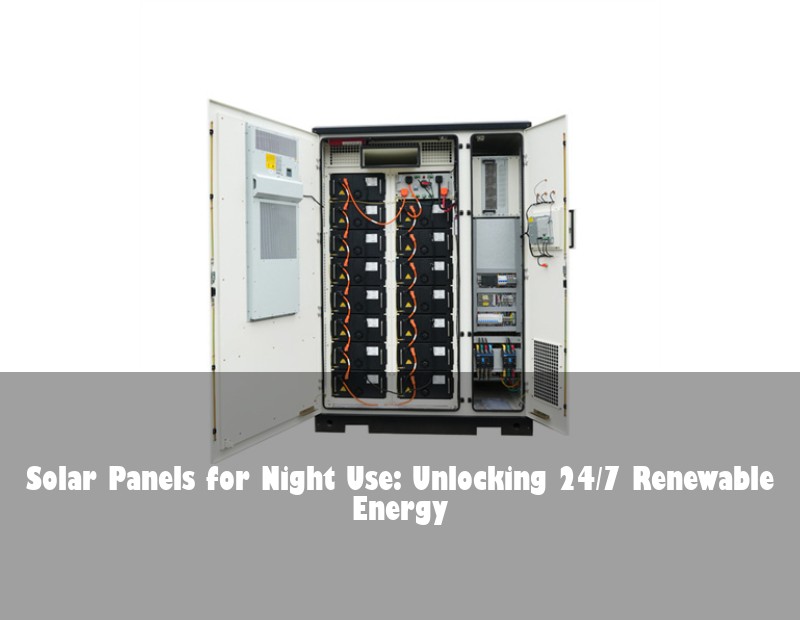
Table of Contents
- The Nighttime Energy Dilemma
- How Solar Panels for Night Use Actually Work
- The Science Behind Solar Energy Storage
- Real-World Success: A Berlin Household Case Study
- Europe's Night Solar Revolution
- Smart Integration for Maximum Night Efficiency
- Tomorrow's Night Solar Technologies
- Is Your Home Ready for Night Solar?
The Nighttime Energy Dilemma
You've invested in solar panels, watching them gleam under the midday sun while your electricity meter slows. But what happens when night falls? Suddenly, you're drawing power from the grid again, often at peak rates. This daily discontinuity frustrates homeowners across Europe - from Lisbon to Helsinki. Here's the reality: Conventional solar installations only deliver 30-40% of daytime production to nighttime usage without storage. That gap represents both financial loss and unrealized clean energy potential. As energy prices surge globally, this challenge moves from inconvenience to urgent problem.
How Solar Panels for Night Use Actually Work
True 'solar panels for night use' aren't science fiction – they're intelligent energy ecosystems. The solution combines three core components:
- High-efficiency solar panels capturing maximum daylight photons
- Smart battery storage units (typically lithium-ion) that bank surplus energy
- Energy management systems that automatically switch between sources
Here's the magic: When sunlight fades, your system doesn't shut down. It transitions to battery power seamlessly – like how your laptop switches to battery when unplugged. We've seen modern systems maintain 85-95% energy continuity through the night. The key is right-sizing: A properly configured 5kW solar array with 10kWh storage can typically power a European household's nighttime needs for 8-12 hours.
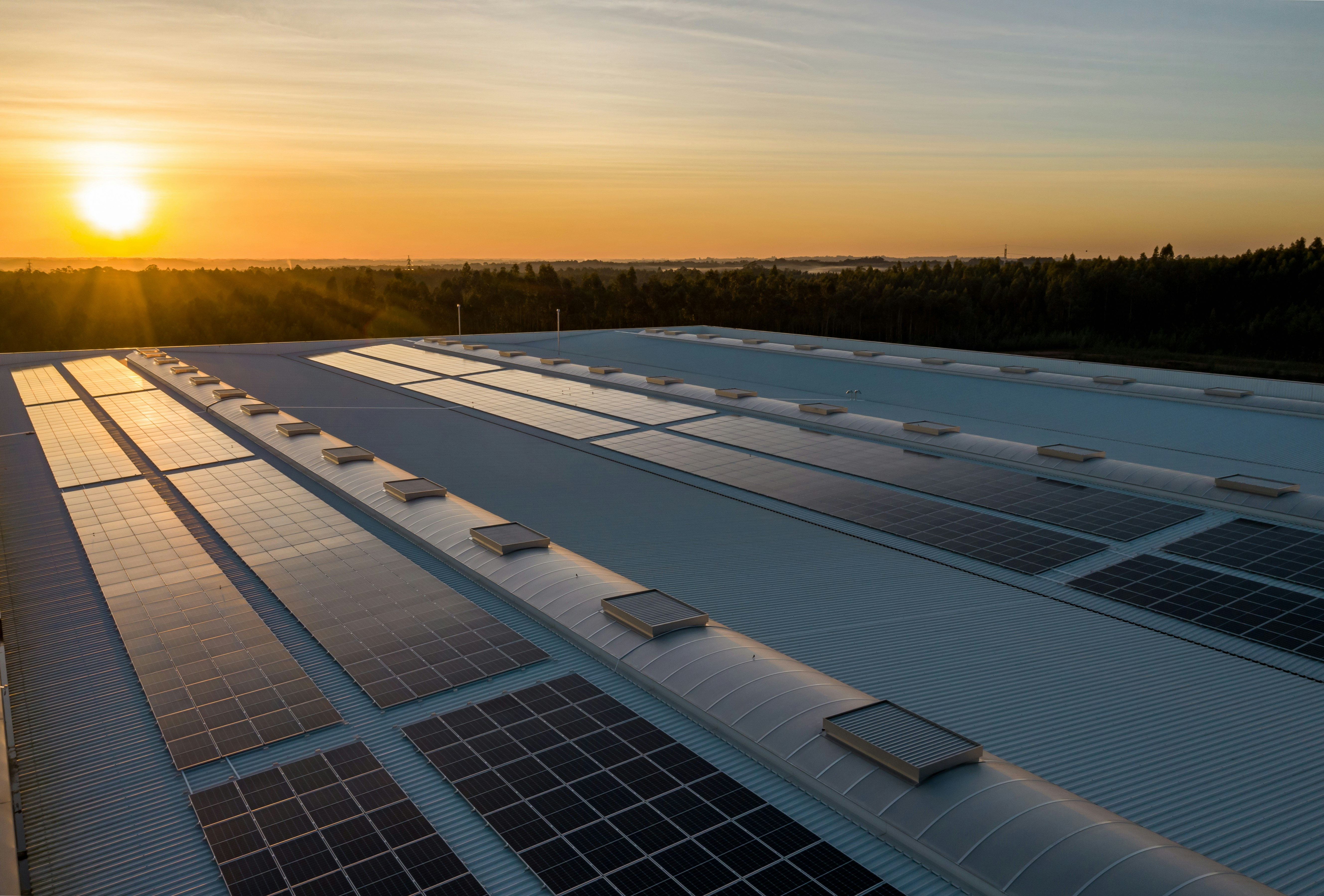
Image: Modern home battery system (Source: John Solar, Unsplash)
The Science Behind Solar Energy Storage
Not all batteries are created equal. Today's top solutions leverage lithium iron phosphate (LFP) chemistry, balancing safety with impressive performance:
| Metric | Lead-Acid | Standard Lithium | LFP (Current Gold Standard) |
|---|---|---|---|
| Cycle Life | 500-800 cycles | 2,000 cycles | 6,000+ cycles |
| Depth of Discharge | 50% | 80% | 100% |
| Round-Trip Efficiency | 70-80% | 85-90% | 95-98% |
Why does this matter? Higher round-trip efficiency means more of your captured sunlight actually powers your home at night. LFP batteries also maintain performance in colder climates – crucial for Scandinavian winters where temperatures regularly drop below -10°C. The latest innovations even incorporate AI-driven thermal management to optimize performance.
Real-World Success: A Berlin Household Case Study
Meet the Hoffmann family in Berlin's Lichtenberg district. Frustrated by paying €0.38/kWh for nighttime grid electricity, they installed a 7.2kW solar array with 14kWh storage in 2022. The results transformed their energy reality:
- Nighttime grid dependence reduced from 100% to 12%
- €1,240 annual savings on electricity bills
- 92% nighttime energy autonomy achieved year-round
Their secret? A hybrid inverter that coordinates with Berlin's dynamic electricity pricing (Fraunhofer ISE data). During summer peak production, the system sells excess power back at premium rates, then strategically buys minimal nighttime grid power during the lowest cost windows. This intelligent cycling boosted their ROI by an additional 23%.
Europe's Night Solar Revolution
The Hoffmanns aren't alone. Across Europe, we're seeing fascinating adoption patterns:
- Germany leads with 200,000+ solar storage installations in 2023 (BVES data)
- UK installations surged 89% YoY after energy cap increases
- Italy's superbonus 110% scheme drives mass adoption
What's driving this? Beyond savings, there's growing recognition of grid resilience value. During Portugal's recent storms, homes with solar storage maintained power up to 3 days while neighbors went dark. In Spain, communities are forming "virtual power plants" – networked home batteries that support local grids during peak demand. As IEA reports, Europe's battery capacity is projected to grow 500% by 2027.
Smart Integration for Maximum Night Efficiency
True night solar performance isn't just about hardware – it's how intelligently components communicate. Modern systems utilize:
- Machine learning algorithms that predict usage patterns
- Weather-responsive charging protocols
- Appliance-level energy routing (prioritizing refrigerators over pool heaters)
Consider your espresso machine's morning surge. Smart systems learn this pattern, reserving sufficient battery capacity overnight. During unexpected cloudy days, they'll automatically conserve energy for critical nighttime loads. This dynamic optimization typically boosts usable night energy by 15-30% versus basic systems.
Tomorrow's Night Solar Technologies
The innovation pipeline brims with night-use breakthroughs:
- Perovskite-silicon tandem cells (achieving 32.5% efficiency in lab tests)
- Gravitational storage using underground weights
- Thermal batteries storing energy as molten silicon
Norwegian startup Energy Nest demonstrates thermal batteries in industrial applications, while Swiss researchers recently achieved 85% round-trip efficiency with novel phase-change materials. These innovations promise to shrink storage footprints while boosting capacities – potentially halving current system costs by 2030.
Is Your Home Ready for Night Solar?
Imagine waking to see your solar app reporting: "Night power: 100% solar. Grid usage: 0 kWh." That's the nightly reality for thousands who've bridged the solar night gap. But we must ask: What's holding your household back from true energy independence? Is it concerns about upfront costs, space limitations, or technological complexity? Perhaps it's time to calculate what those night-time grid kilowatt-hours really cost you over the next decade. We'd love to hear which aspect of night solar seems most transformative for your situation!
 Inquiry
 Online Chat