


Solar Panels Cost in Australia: Lessons for Global Energy Transition
As Europe accelerates its renewable energy transition, examining solar panels cost in Australia offers unexpected insights. With over 3.4 million rooftop installations nationwide, Australia's solar adoption boom presents a compelling case study in affordability and scalability. What can European homeowners and policymakers learn from this sun-drenched pioneer?
Table of Contents
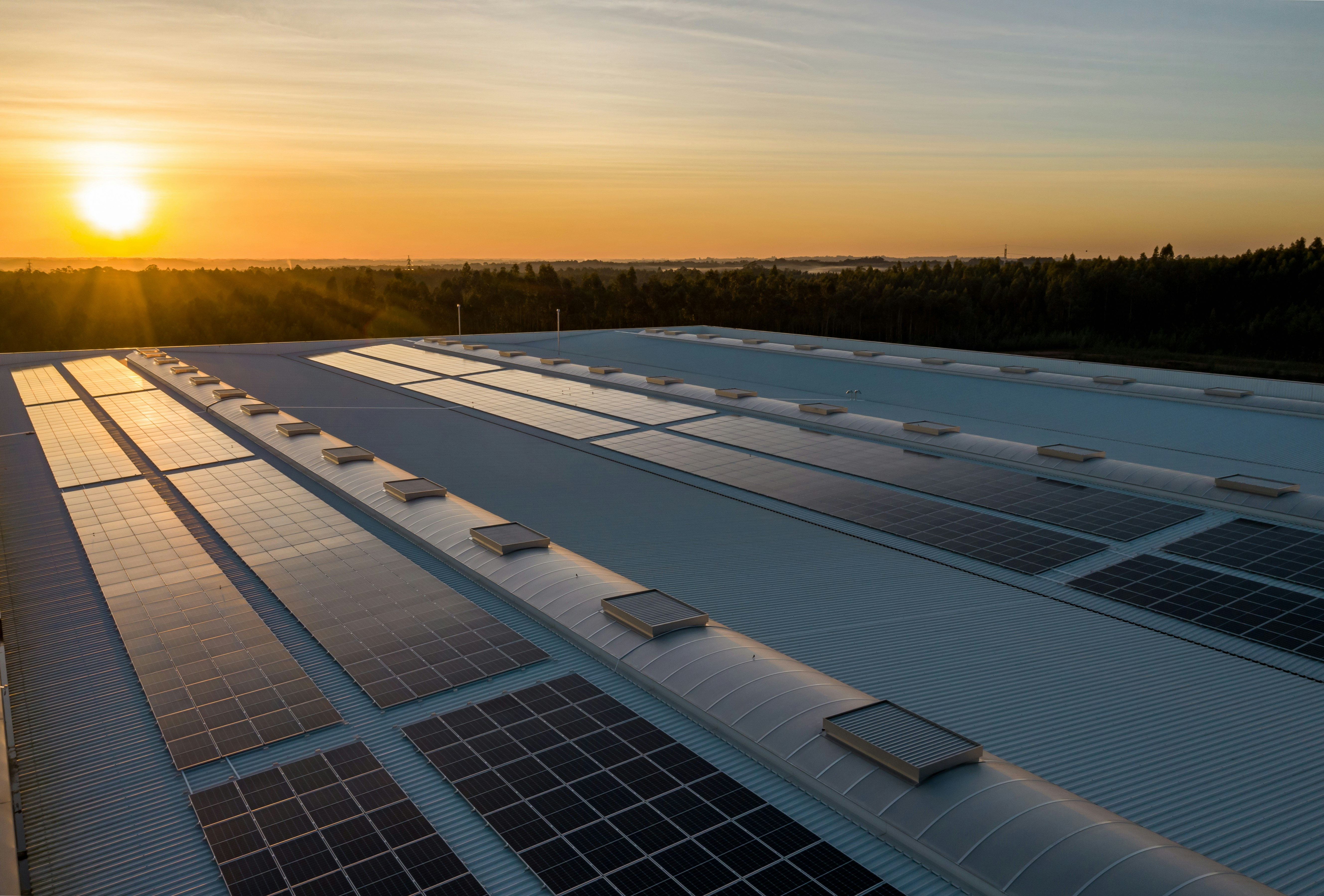
Image source: Unsplash (Solar panels on Australian homes)
Why Australian Solar Costs Matter Globally
Australia's solar journey is remarkable: from AUD$10/Watt in 2008 to just AUD$0.80/Watt today. This 92% cost reduction didn't happen by accident. Three key drivers created this phenomenon:
- Policy consistency: Federal incentives like STCs (Small-scale Technology Certificates)
- Market competition: 30+ major installers driving price innovation
- Standardized installations: Streamlined permitting reducing soft costs
What's truly fascinating? European markets like Spain and Portugal now mirror Australia's trajectory, with installation costs dropping 18% YoY according to IRENA's 2023 report.
Breaking Down Australian Solar Panel Expenses
Understanding cost components reveals why Australia leads in affordability:
| Cost Component | Australia (Avg.) | Global Benchmark |
|---|---|---|
| Panels (per 400W) | AUD $110 | AUD $135 |
| Inverters (5kW) | AUD $900 | AUD $1,200 |
| Installation Labor | AUD $500 | AUD $850 |
| Permitting & Compliance | AUD $150 | AUD $400 |
| Total 6kW System | AUD $4,800 | AUD $6,500+ |
Note: Prices based on Clean Energy Council data 2023. Federal rebates can reduce costs by up to AUD$2,000.
The Battery Storage Factor
Australia's battery attachment rate (23% of new solar installations) reveals a critical trend: falling storage costs make solar-plus-storage viable. Average battery prices dropped 89% since 2010, fundamentally changing ROI calculations.
Cost Comparison: Australia vs. Europe
How do European markets measure up?
- Germany: €1,200/kW vs Australia's €800/kW
- UK: Higher labor costs push prices 25% above AU
- Spain: Most competitive EU market at €950/kW
Europe's advantage? Feed-in tariffs remain more favorable in countries like Germany and Italy, offsetting higher initial costs over the system's lifetime.
German Case Study: Efficiency Meets Affordability
Consider Hamburg's Energiebunker project: A WWII bunker transformed into a solar + storage hub. The numbers speak volumes:
- Total capacity: 3.2MW solar + 2MWh storage
- Installation cost: €1.1 million (32% below budget)
- Payback period: 7 years (vs projected 12 years)
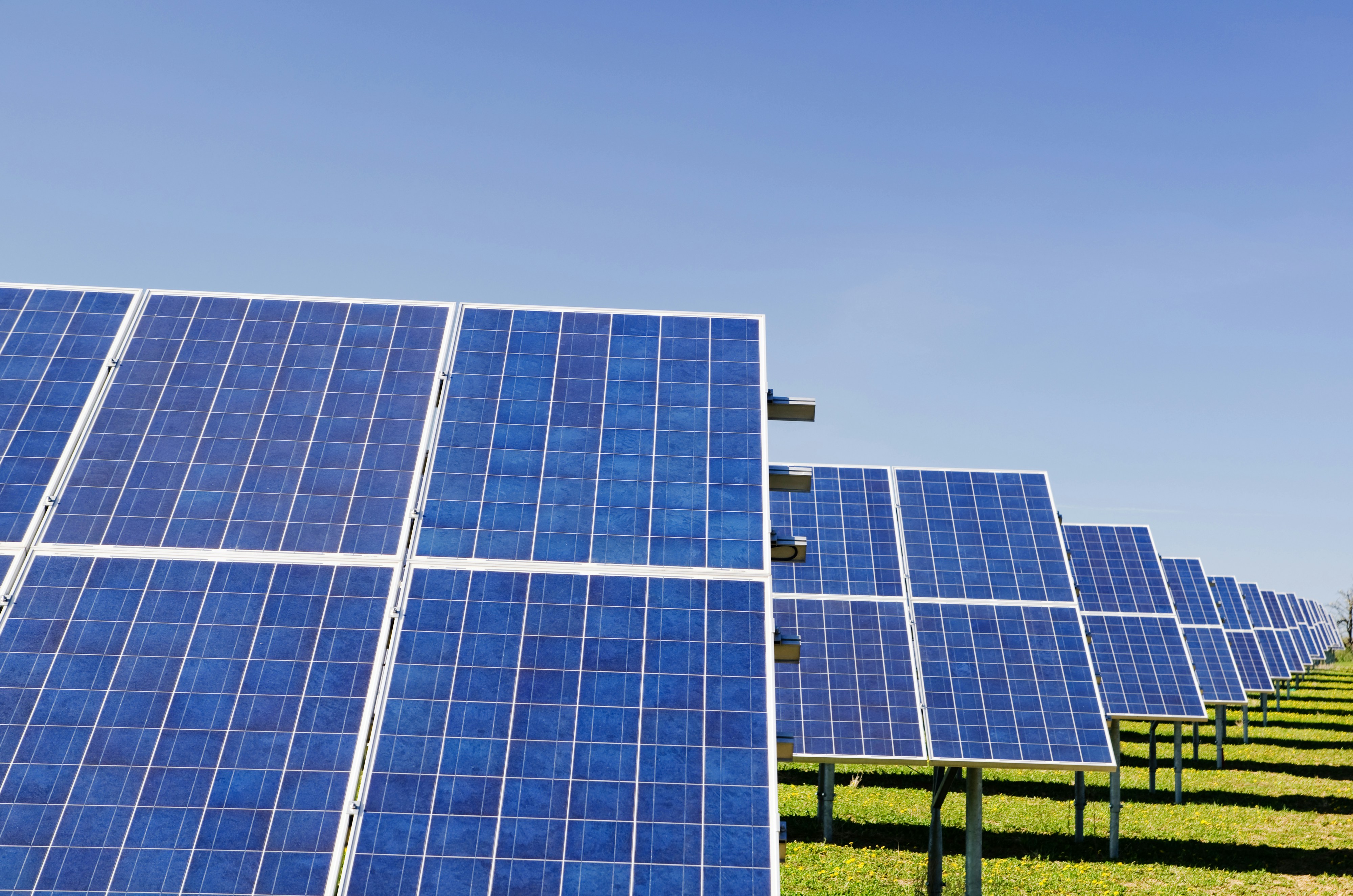
Image source: Unsplash (German solar architecture)
This project succeeded by combining Australia's cost-efficient procurement with German engineering precision. By sourcing panels directly from manufacturers (bypassing distributors), they achieved 18% savings – a tactic now being adopted in Denmark and Netherlands.
Future Cost Projections & Innovations
Where are solar costs heading? Three technologies will reshape pricing:
- PERC cells: Boosting efficiency to 24% reduces needed panels
- Bifacial modules: Generating from both sides delivers 11-23% more output
- AI-driven installation: Cutting labor costs by 30% (SolarEdge field trials)
University of New South Wales research predicts another 40% cost reduction by 2027 as tandem silicon-perovskite cells hit commercial production.
Optimizing Your Solar Investment
Whether you're in Barcelona or Brisbane, smart solar procurement follows these principles:
- Always get 3+ quotes with component-level breakdowns
- Consider hybrid inverters for future battery readiness
- Monitor degradation rates (quality panels degrade <0.5%/yr)
What innovative financing model could make European solar adoption match Australia's penetration rates? We'd love to hear your thoughts in the comments below.
 Inquiry
 Online Chat