


Understanding Solar Panel Radiation Risk: Separating Facts from Fiction
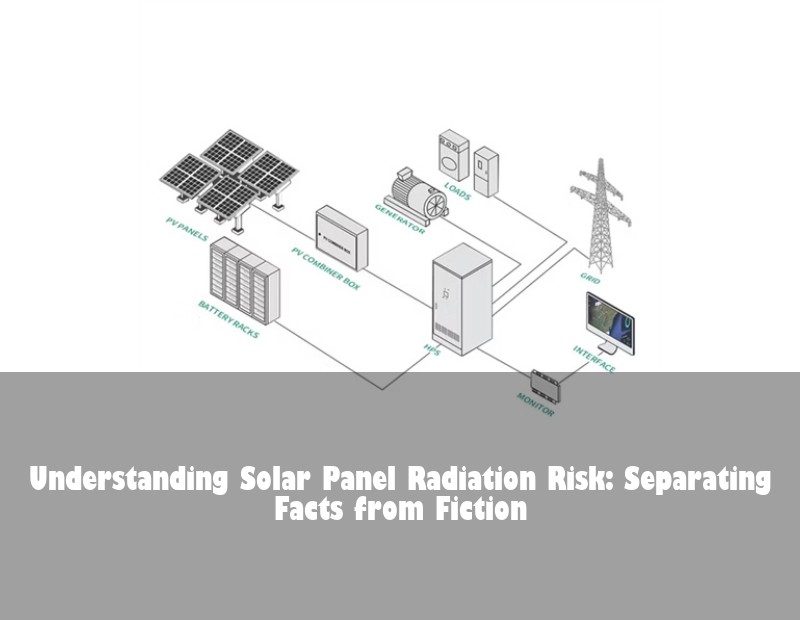
Table of Contents
What Exactly is Solar Panel Radiation?
As solar panels blanket rooftops across Europe, homeowners often ask me: "Could these clean energy generators expose my family to radiation risks?" It's a valid concern rooted in our natural caution toward new technology. Let's clarify: solar panels produce non-ionizing electromagnetic fields (EMF) during operation, fundamentally different from nuclear radiation or X-rays. This phenomenon occurs when sunlight conversion creates low-frequency electrical currents. Think of it like the subtle hum of your refrigerator – present, but not inherently dangerous.
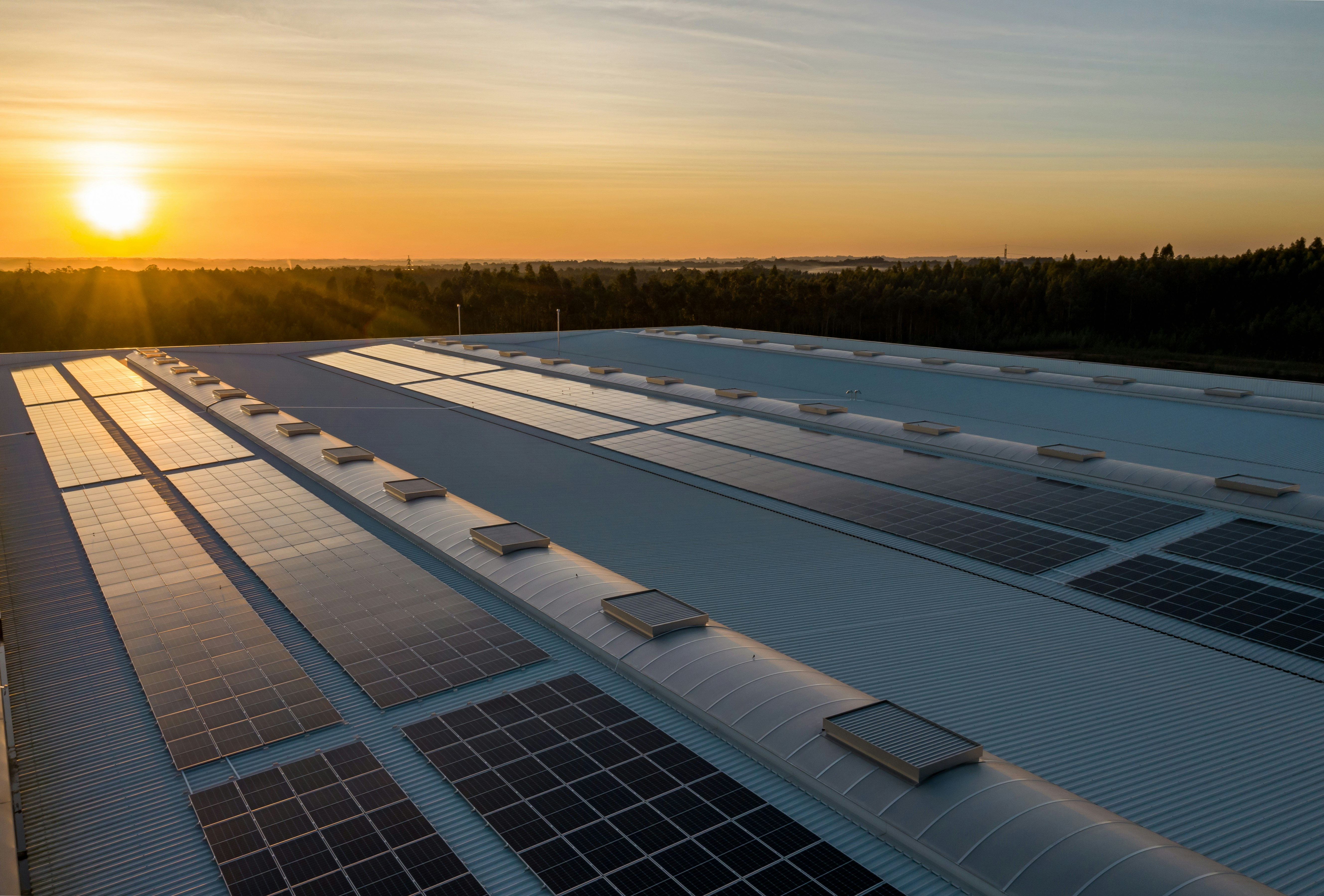
Image: EMF testing on residential solar installations (Source: Unsplash/Photographer: American Public Power Association)
The Science Behind EMF Emissions
When we measure EMF from photovoltaic systems, we're typically seeing readings between 0.1 to 2 milligauss (mG) within 1 meter of panels – comparable to many household appliances. Consider this comparison:
| Source | Typical EMF Level (mG) | Exposure Duration Equivalent to 8hrs Near Solar Panels |
|---|---|---|
| Residential solar array | 0.1-2.0 | Baseline |
| Hair dryer | 10-70 | 8 minutes |
| Microwave oven | 100-300 | 90 seconds |
| International safety limit (ICNIRP) | 2,000 | N/A |
Why does this matter? The key isn't just intensity, but exposure duration and distance. Solar panels emit continuous low-level EMF, while your blender produces higher bursts during brief use. Physics tells us EMF strength decreases exponentially with distance – stepping 2 meters back from panels typically reduces exposure by 75%.
Real-World Data: A European Case Study
Let's examine concrete data from Germany, where solar adoption exceeds 50% in some regions. The Federal Environment Agency (UBA) conducted EMF measurements across 120 residential installations in 2022. Their findings revealed:
- Average rooftop system emissions: 0.8 mG at 0.5m distance
- Indoor measurements directly below panels: 0.2-0.4 mG
- No cases exceeding 4% of ICNIRP recommended limits
One compelling case involved the Schmidt family in Bavaria. After installing a 8kW system, they reported headaches – later traced to a poorly shielded inverter. Post-shielding installation (cost: €150), EMF dropped from 1.9 mG to 0.3 mG. This highlights how proper installation matters more than panel technology itself.
How Global Standards Protect You
European regulations provide robust safeguards. The EU's EMF Directive 2013/35/EU mandates that solar equipment operates below 2,000 mG – a threshold 100x higher than typical panel emissions. Certification bodies like TÜV Rheinland conduct:
- Pre-market EMF compliance testing
- Inverter shielding verification
- Grounding system audits
When choosing equipment, look for IEC 62109 certification – your assurance that components meet international safety benchmarks. Remember, panels themselves aren't the primary EMF source; inverters and wiring contribute 80% of emissions in improperly configured systems.
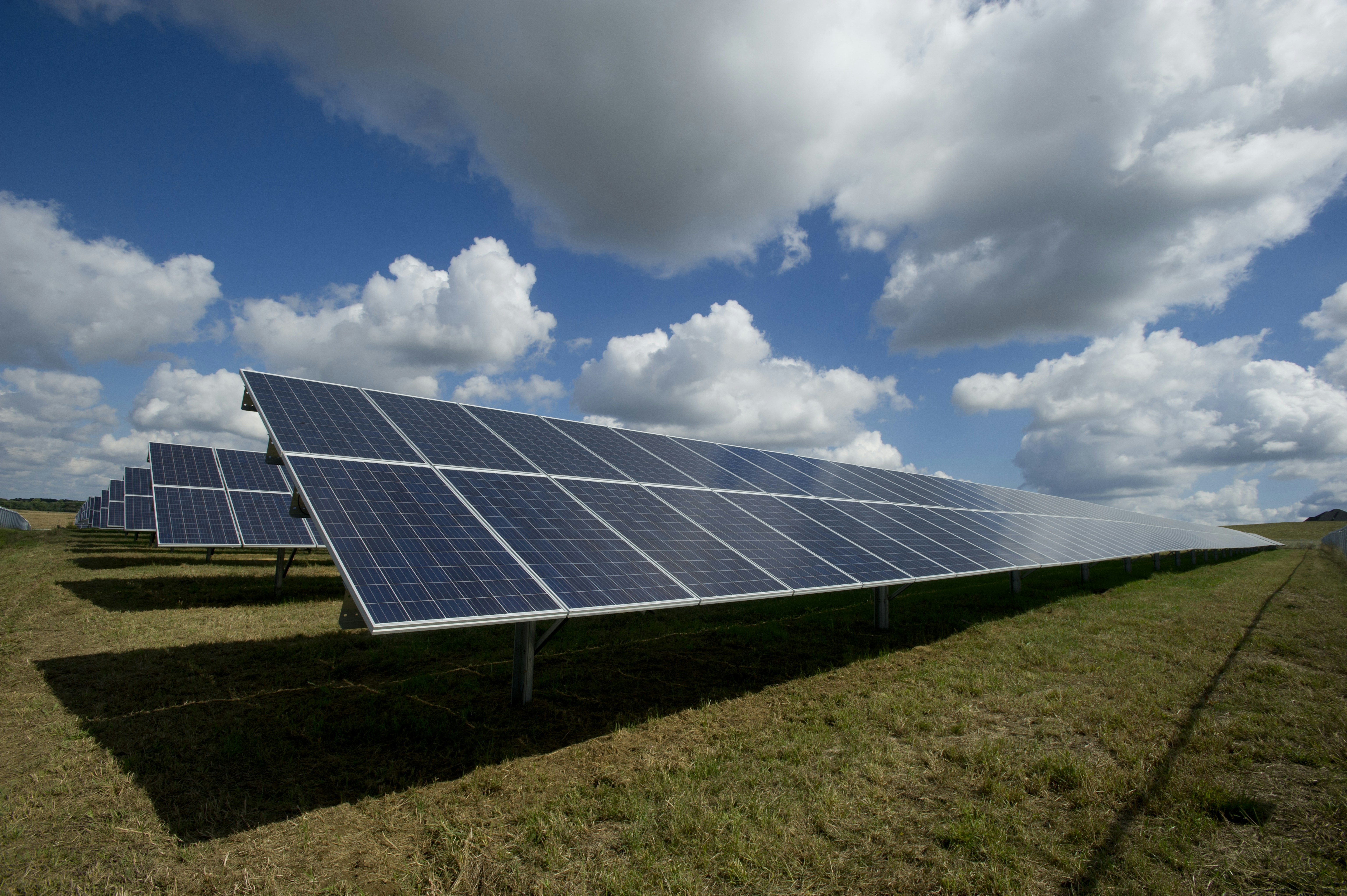
Image: Certified EMF testing of commercial solar array (Source: Unsplash/Photographer: American Public Power Association)
Practical Mitigation Strategies
Based on 15 years of field experience, I recommend these actionable steps:
- Distance optimization: Position inverters ≥3m from living spaces
- Shielding solutions: Use Mu-metal enclosures for inverters (reduces EMF by 60-90%)
- Installation audits: Have certified professionals verify grounding – improper grounding can double EMF emissions
Consider the Dutch approach: new solar leases require EMF measurements at tenant eye-level, not just at roof level. This proactive transparency builds trust while ensuring safety.
The Future of Solar Safety
Emerging technologies are transforming radiation management. Microinverters per panel (vs central inverters) cut EMF by distributing emissions. Swedish manufacturer Midsummer recently developed thin-film panels with integrated shielding that reduces emissions by 40% compared to conventional modules. As solar permeates urban environments, such innovations become crucial for public acceptance.

Image: Next-generation solar panel testing in lab environment (Source: Unsplash/Photographer: Kindel Media)
Your Move in the Solar Revolution
We've navigated the science, data, and real-world solutions together – but I'm curious: What specific concerns about solar panel radiation risk still linger in your mind as you consider joining Europe's renewable energy transition?
 Inquiry
 Online Chat