


Solar Panel Options for Homes: Your Guide to Smart Renewable Energy
As energy bills soar and climate concerns intensify, European homeowners like you are increasingly asking: "What are the best solar panel options for my home?" This quiet revolution is transforming rooftops across Germany, France, and beyond. By 2023, Europe's residential solar capacity exceeded 42 GW – enough to power 10 million homes annually. But navigating the maze of technologies and incentives feels overwhelming, doesn't it? Let's simplify your journey toward energy independence.
Table of Contents
- Why Solar Energy for European Homes?
- Types of Solar Panels: A Comparative Analysis
- Case Study: Solar Success in Berlin
- Key Considerations When Choosing Solar Panels
- Financial Incentives and Long-Term Savings
- Future Trends in Home Solar Technology
- Take the Next Step Toward Energy Freedom
Why Solar Energy for European Homes?
Imagine slashing your electricity bills while reducing carbon emissions. That dual benefit explains why solar installations in Europe grew by 28% YoY in 2023. Northern climates? No problem. Modern panels generate power even on cloudy Hamburg days with 85% efficiency compared to peak sunlight. Government policies like Germany's EEG (Renewable Energy Act) accelerate adoption through feed-in tariffs. But the real motivation? Control. When you produce your own energy, market volatility becomes background noise.
Types of Solar Panels: A Comparative Analysis
Three main technologies dominate the residential market, each with unique strengths:
Monocrystalline Panels: The Efficiency Kings
With pure silicon cells, these black panels deliver 18-22% efficiency. Perfect for compact roofs like Amsterdam townhouses. Higher upfront cost? Yes. But they repay you in decades of robust performance.
Polycrystalline Panels: The Budget Champions
Their distinctive blue hue comes from melted silicon fragments. At 15-17% efficiency, they suit sun-drenched Mediterranean villas. You'll sacrifice some space efficiency but gain quicker ROI.
Thin-Film Panels: The Flexible Innovators
These ultra-light panels adhere to curved surfaces traditional can't handle. Though efficiency dips to 10-13%, their low-light performance shines in UK's misty climates. Perfect for historic homes with tile roofs.
| Panel Type | Efficiency | Cost per Watt | Lifespan | Best For |
|---|---|---|---|---|
| Monocrystalline | 18-22% | €0.90-€1.10 | 25+ years | Limited roof space |
| Polycrystalline | 15-17% | €0.70-€0.90 | 20-25 years | Sunny regions |
| Thin-Film | 10-13% | €0.60-€0.80 | 15-20 years | Complex rooftops |
Case Study: Solar Success in Berlin
The Müller family in Berlin's Spandau district faced €1,800 annual electricity bills. Their solution? A 6 kW monocrystalline system installed in Q2 2022. Let's break down their results:
- Installation cost: €11,500 pre-incentives
- EEG subsidy: €3,450 (30% federal grant)
- Annual production: 5,400 kWh (matching 92% of consumption)
- Bill reduction: €1,620/year
By selling excess power to E.ON's grid, they achieved full ROI in 5.2 years. "Our panels paid for themselves before our daughter started school," Mr. Müller reports. Want proof? Berlin's solar capacity grew 47% in 2023 alone – real people getting real results. Source: German Energy Agency (dena)

Image: High-efficiency panels in Frankfurt, showcasing sleek integration. Credit: Unsplash
Key Considerations When Choosing Solar Panels
Selecting panels isn't just about specs. Consider these practical factors:
Roof Compatibility
South-facing 30° slopes? Ideal. But east-west orientations still deliver 80% peak output. Use satellite tools like EU's PVGIS to simulate performance.
Energy Consumption Patterns
A UK family using 4,000 kWh/year needs different sizing than Spanish households with air conditioning loads. Monitor your meter for 3 months – surprises await!
Local Climate Adaptations
Dutch coastal homes need salt-resistant frames. Nordic buyers prioritize snow load ratings (≥5400 Pa). Your installer should tailor solutions, not sell cookie-cutter packages.
Financial Incentives and Long-Term Savings
Europe's incentive landscape makes solar irresistibly affordable:
- Germany: 30% tax credit + €0.08/kWh feed-in tariff
- France: €2,800 grant for 6 kW systems
- Italy: 110% "Superbonus" for energy upgrades
Consider the math: A €15,000 system in Munich becomes €10,500 after incentives. With €1,500 annual savings and €400 income from excess power? That's a guaranteed 7.5% return – outperforming most savings accounts. Source: IEA Solar Report
Future Trends in Home Solar Technology
Tomorrow's panels are already emerging:
Bifacial Modules
These double-sided panels capture reflected light, boosting output by 15-20% on flat roofs. Perfect for Scandinavian homes with snow-covered yards.
Solar Tile Integration
Discreet alternatives like Tesla Solar Roof blend seamlessly with historic architecture. Costs remain high but are falling rapidly.
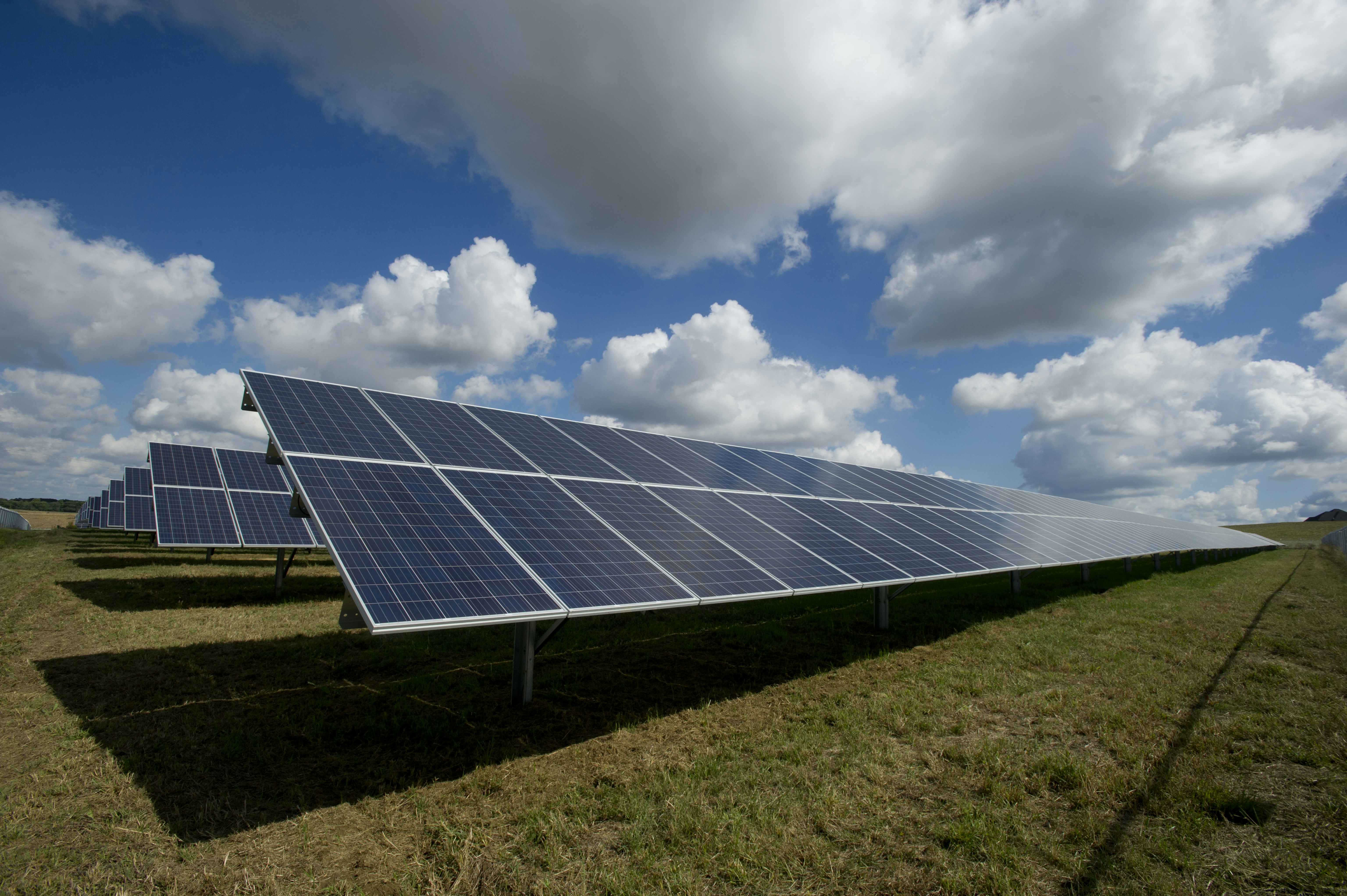
Image: Solar tiles preserving aesthetic appeal. Credit: Unsplash
AI-Optimized Systems
New controllers like SolarEdge's Energy Hub predict weather and usage patterns, squeezing 8% more efficiency from existing panels.
Take the Next Step Toward Energy Freedom
Ready to explore your home's solar potential? Most European providers offer free digital assessments using satellite imagery. Within 48 hours, you'll know:
- Your optimal panel type and placement
- Precise cost/savings projections
- Local subsidy eligibility
What energy independence milestone could you celebrate five years from today? Source: SolarPower Europe
 Inquiry
 Online Chat