


Solar in Sweden: How Much Can You Generate and Save?
- Sweden's Solar Energy Boom: Beyond the Arctic Circle
- Real Solar Output Data: How Much Power Can You Expect?
- Case Study: Växjö Family Cuts Bills by 80% with Solar+Battery
- Financial Breakdown: Costs vs Savings in Swedish Kronor
- Future Trends: Why 2024 is Sweden's Solar Tipping Point
Sweden's Solar Energy Boom: Beyond the Arctic Circle
When you picture solar energy, Sweden might not be the first country that comes to mind. But here's a surprise: Sweden installed 1,100 MW of new solar capacity in 2023 alone – that's a 40% jump from 2022! Despite long winters, Swedish summers deliver 18+ hours of daily sunlight, creating unique energy dynamics. Modern bifacial panels capture reflected light from snow, while sub-arctic angles optimize low-sun exposure. The real question isn't whether solar works in Sweden, but how much it can deliver for your home or business.
Real Solar Output Data: How Much Power Can You Expect?
Let's cut through myths with hard data. A typical 10kW residential system in Stockholm generates:
| Season | Monthly Output | Equivalent Savings* |
|---|---|---|
| Summer (Jun-Aug) | 1,200-1,400 kWh | 2,800-3,300 SEK |
| Spring/Fall | 600-800 kWh | 1,400-1,900 SEK |
| Winter (Dec-Feb) | 100-200 kWh | 230-470 SEK |
*Based on Sweden's average electricity price of 2.34 SEK/kWh (Energy Agency, 2023). Annual yields range from 850-1,100 kWh/kW – comparable to Germany's solar hubs! Southern cities like Malmë achieve 25% higher outputs than northern regions. But here's what most installers won't tell you: panel orientation matters more than latitude. East-west arrays can outperform south-facing setups during Sweden's extended dawn/dusk periods.
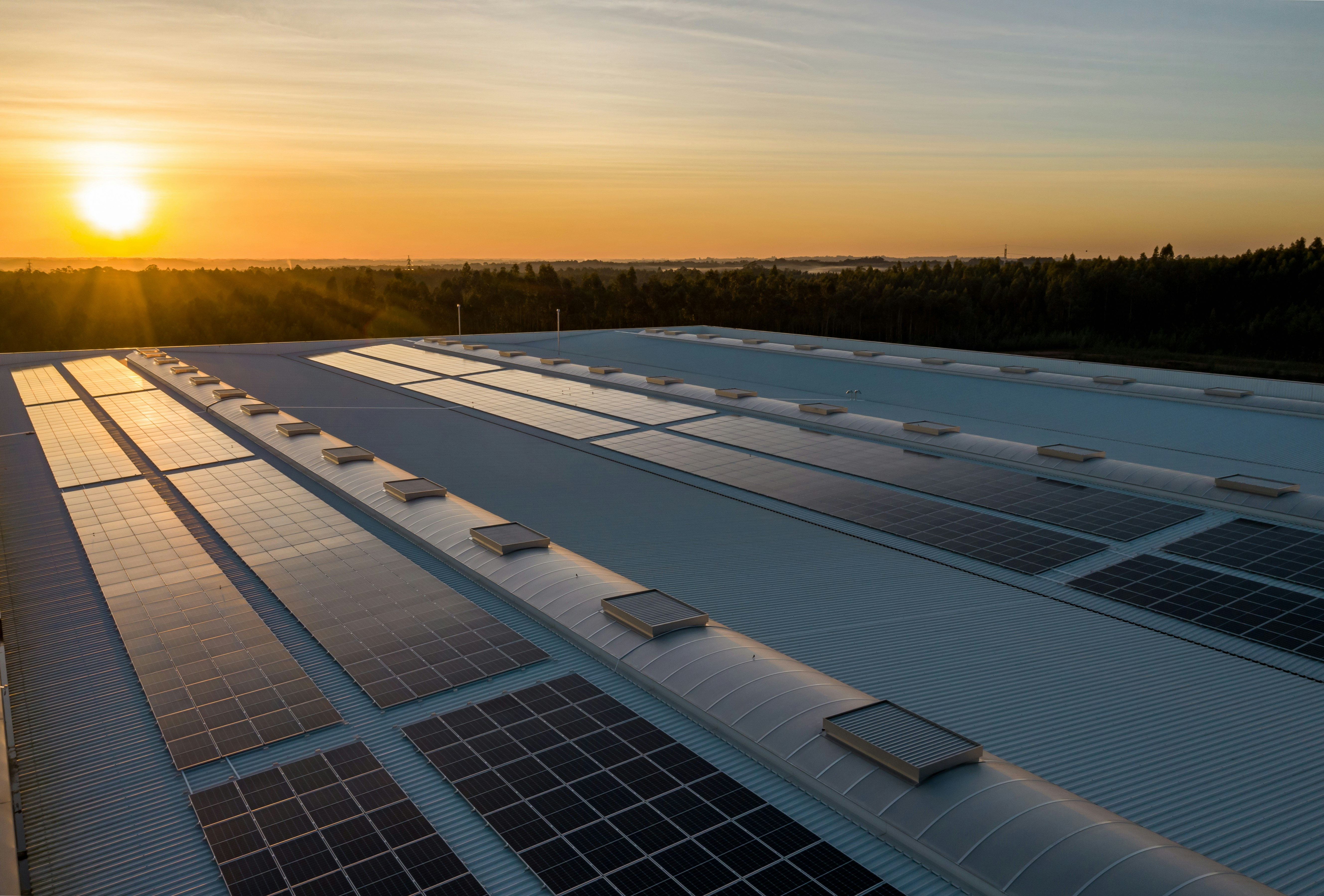
Image: Solar panels generating power during Swedish winter. Source: Unsplash
Case Study: Växjö Family Cuts Bills by 80% with Solar+Battery
Meet the Lundström family in Växjö. After installing a 8.4kW system with 10kWh battery storage in 2022, their results speak volumes:
- Pre-solar bill: 42,000 SEK/year
- Post-solar bill: 8,500 SEK/year (79.7% reduction)
- Self-consumption rate: 94% using smart battery controls
- Payback period: 6.2 years (including Swedish green tax rebates)
Their secret? Optimizing for winter production with micro-inverters that prevent snow coverage losses. During the polar night period, their battery draws from Sweden's wind-dominated grid when prices dip below 0.8 SEK/kWh. As Mr. Lundström told us: "Our system feels like a Swiss watch – precisely tuned to Sweden's light rhythms." This mirrors national trends where solar+storage installations surged 210% in 2023 (Swedish Solar Energy Association).
Financial Breakdown: Costs vs Savings in Swedish Kronor
Confused by conflicting ROI claims? Let's demystify with transparent math for a 10kW system:
| Component | Cost (SEK) | Financial Benefit |
|---|---|---|
| Solar panels (Tier-1) | 85,000-110,000 | 20-25 year warranty |
| Hybrid inverter | 25,000-35,000 | Enables battery-ready setup |
| Installation | 40,000-60,000 | Includes 10-year work guarantee |
| Total (before incentives) | 150,000-205,000 | |
| Green tax rebate (50%) | -75,000-102,500 | Via Skatteverket |
| Effective investment | 75,000-102,500 |
Annual benefits: - Electricity savings: 18,000-24,000 SEK - Sold surplus (summer): 2,500-4,000 SEK - Property value increase: 3-5% (per IEA) That's 6-9 year payback – beating Sweden's stock market returns! Pro tip: Pair with air-source heat pumps for 3x efficiency gains during winter.
Future Trends: Why 2024 is Sweden's Solar Tipping Point
Sweden's solar revolution is accelerating with three game-changers:
- Falling storage costs (16% drop in 2023) making all-year energy independence viable
- New building codes requiring solar readiness on all new constructions by 2025
- Virtual power plants letting homeowners sell grid flexibility during peak hours
The emerging question isn't just about kilowatt-hours, but energy sovereignty. As Uppsala University's energy researcher Dr. Elsa Bergman notes: "Swedes are realizing solar isn't just about saving money – it's insurance against volatile global energy markets."
What Solar Potential is Hidden on Your Rooftop?
How would your energy profile transform with Sweden's midsummer sun working for you 10 hours a day?
Explore our interactive solar calculator to personalize these numbers for your exact location.
 Inquiry
 Online Chat