


Solar Energy for Smart City: Powering the Urban Revolution
Table of Contents
The Urban Energy Challenge
By 2050, nearly 70% of the global population will live in cities. As you walk through bustling European streets, have you noticed how urban energy demands are straining aging infrastructure? Cities consume over 65% of global electricity while contributing 70% of CO₂ emissions. This isn't just an environmental concern—it's an economic time bomb with European cities losing €20 billion annually to energy inefficiency. The solution? Solar energy for smart city development isn't just an option; it's becoming the backbone of urban survival.
Solar & Smart City Synergy: Why They're Perfect Partners
Solar energy and smart cities share a symbiotic relationship. While solar provides clean power, smart technology optimizes its use through:
- Real-time energy monitoring via IoT sensors
- AI-driven distribution networks that prevent waste
- Integrated storage systems balancing day/night demand
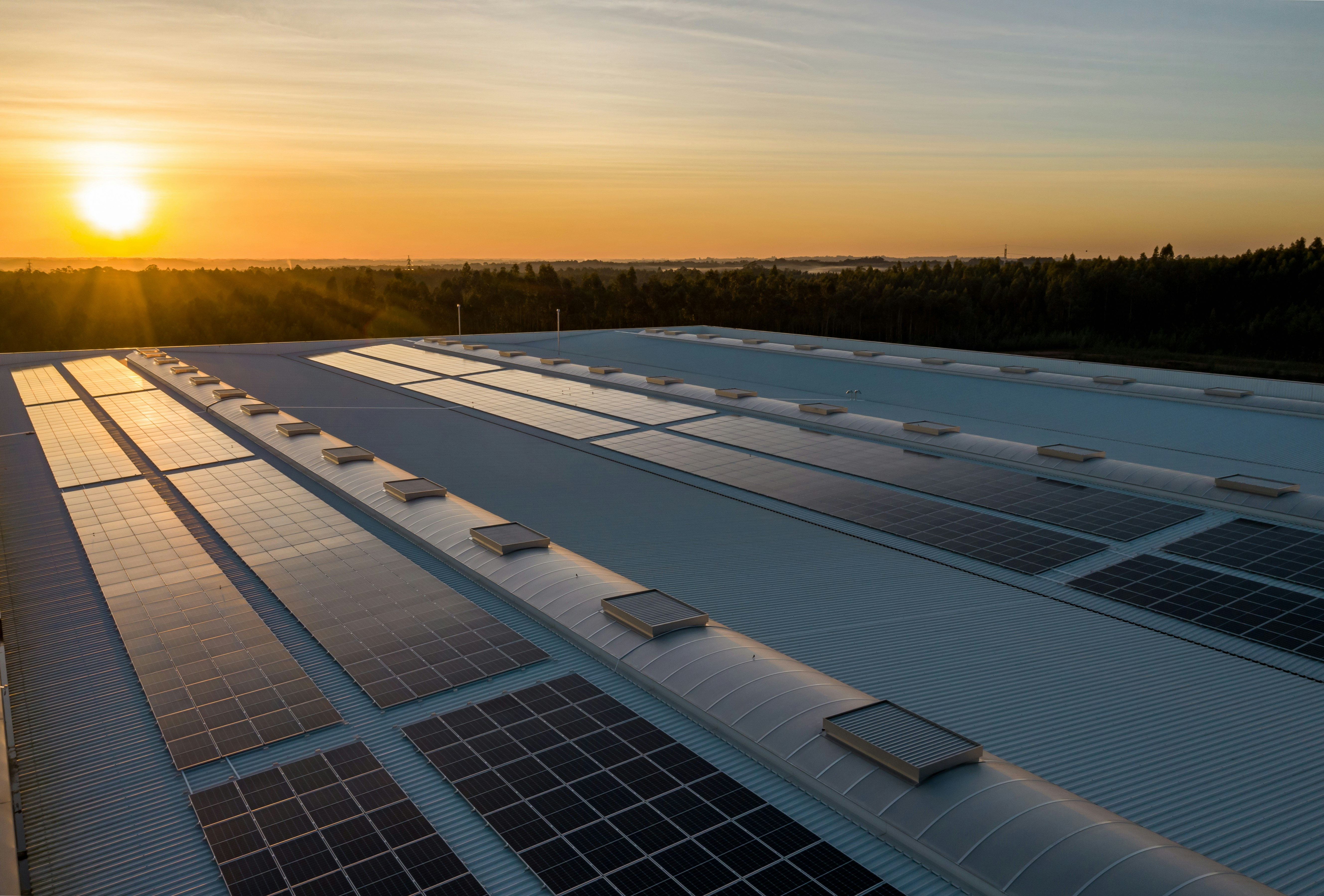 Image: Solar integration in modern buildings (Source: Unsplash)
| Smart City Component | Solar Enhancement | Impact |
|---|---|---|
| Intelligent Street Lighting | Solar-powered LEDs with motion sensors | 60% energy reduction |
| Public EV Charging | Solar canopies with storage | 100% renewable mobility |
| Building Management | BIPV (Building-Integrated PV) systems | 30-50% energy autonomy |
Barcelona: A Solar-Powered Smart City Case Study
Let's examine how Barcelona transformed itself using solar energy for smart city infrastructure. Their Solar Ordinance requires all new buildings and major renovations to incorporate solar thermal systems. The results?
- Over 100,000 m² of solar installations citywide
- 7,000 smart streetlights reducing energy use by 30%
- District heating networks powered by solar thermal plants
 Image: Barcelona's solar integration (Source: Unsplash)
Barcelona's solar initiatives now prevent 1,200 tons of CO₂ annually while generating €2.3 million in energy savings—proof that environmental and economic benefits go hand-in-hand. Source: Barcelona City Council
Cutting-Edge Solar Technologies for Urban Spaces
Beyond Rooftops: Solar Integration Innovations
When we talk solar energy for smart city development, we're no longer limited to rooftops. Imagine:
- Solar Noise Barriers: Germany's A3 highway generates 16MWh/year from sound walls
- Transparent PV Windows converting skyscrapers into vertical power plants
- Solar Pavement Tiles powering pedestrian signals in French smart districts
Storage: The Missing Link
Why are cities like Copenhagen pairing solar with flow battery technology? Because without storage, solar's potential remains half-realized. Modern lithium-ion and emerging solid-state batteries enable:
- 24/7 renewable power for critical infrastructure
- Grid stabilization during demand peaks
- Emergency power reserves for hospitals/shelters
Your Smart City Implementation Roadmap
Phase 1: Audit & Planning
Start by mapping your city's "solar potential zones" using GIS data. London's Solar Opportunity Map identified 200,000 viable rooftops—that's 6.7GW of untapped capacity!
Phase 2: Pilot Projects
Follow Amsterdam's approach: Begin with solar-powered bus stops and municipal buildings. Their smart bus shelters now generate 8,000kWh annually while providing WiFi and air quality monitoring.
Phase 3: Full Integration
Combine solar with other smart systems like:
- Water management (solar-powered purification)
- Waste processing (PV-powered compactors)
- Traffic systems (sensor networks using solar microgrids)
What's Holding Your City Back?
Is it financing models? Regulatory hurdles? Or simply knowing where to start? Consider how Vienna overcame obstacles through their Bürger-Solarkraftwerke (Citizen Solar Plants) program, enabling residents to co-invest in municipal solar projects. Could this participatory approach work in your community?
 Inquiry
 Online Chat