


Smart Solar Irrigation System: Revolutionizing Sustainable Agriculture Globally
Table of Contents
The Growing Water-Energy Dilemma in Agriculture
It's peak growing season in Southern Europe, and farmers are facing dual crises - escalating energy costs for irrigation pumps and worsening drought conditions. Conventional irrigation methods consume up to 30% of total farm energy expenditure, according to Eurostat. Meanwhile, the European Environment Agency reports that 20% of EU territory now faces severe water stress annually.
This is where the smart solar irrigation system enters the stage - not just as alternative equipment, but as an integrated water-energy nexus solution. Have you considered how much diesel or grid power your irrigation consumes during a single growing season? That's precisely the pain point this innovation addresses.
How Smart Solar Irrigation Systems Work
Unlike traditional solar pumps, a true smart system integrates three intelligence layers: energy harvesting optimization, precision watering, and remote control. Here's the magic formula:
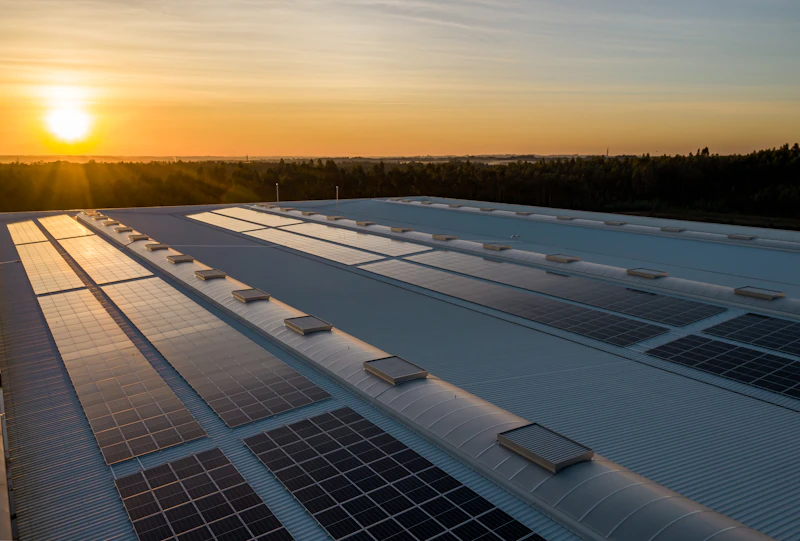
Image: IoT-enabled solar controller optimizing water distribution. Source: Unsplash/Agricultural Technology
- Energy Intelligence: PV panels power pumps while excess energy charges batteries or feeds grids
- Hydraulic Intelligence: Pressure sensors and variable frequency drives adjust water flow in real-time
- Agronomic Intelligence: Soil moisture probes trigger irrigation only when crops need hydration
Key Components & Technologies
| Component | Function | Tech Innovation |
|---|---|---|
| Hybrid Solar Controllers | Manage power from PV/grid/batteries | AI-powered energy routing algorithms |
| IoT Moisture Sensors | Monitor root-zone conditions | Wireless LoRaWAN connectivity |
| Cloud Analytics Platform | Predictive irrigation scheduling | Machine learning models |
Spanish Vineyard Success: A European Case Study
Consider La Rioja's Bodegas Solaris vineyard - a pioneer in smart solar irrigation. Facing 40% annual water rationing, they implemented a 15kW system with 120 soil sensors across 50 hectares. The results after two seasons:
- ⚡ 89% reduction in grid energy consumption
- 💧 35% less water used while increasing yields by 12%
- 📊 4.2-year ROI through energy savings and EU agricultural subsidies
"The system automatically adjusts to weather forecasts," explains vineyard manager Elena Morales. "During last July's heatwave, it shifted to night irrigation using stored solar energy - something impossible with our old diesel pumps."
Measurable Benefits Beyond Water Savings
When we analyze European deployments, three unexpected advantages consistently emerge:

Image: Solar-powered drip irrigation in Mediterranean vineyard. Source: Unsplash/Sustainable Viticulture
- Carbon Accountability: Italian olive growers now earn carbon credits for each MWh of solar irrigation used
- Frost Protection: French apple orchards use the system's water storage for anti-frost sprinkling
- Land Value Increase: Greek farms with smart irrigation report 15-20% higher property valuations
Adapting Solutions to European Climate Patterns
Not all smart solar irrigation systems are created equal. Northern Europe's diffuse sunlight requires different optimization than Mediterranean high-radiation zones. Our team has identified critical regional adaptations:
- Nordic/Baltic: Hybrid systems with wind-PV complementarity
- Mediterranean Concentrated PV with water-cooling integration
- Atlantic Coastal: Salt-resistant components and humidity calibration
Did you know that German farmers now use excess solar energy from irrigation systems to power adjacent biogas plants? Such symbiotic energy models represent the next frontier.
The Road Ahead: Intelligent Irrigation
Emerging innovations will soon transform today's systems. The EU Horizon 2020 project is piloting solar irrigation drones that deploy moisture sensors across fields. Meanwhile, blockchain-based water token systems enable farmers to trade saved irrigation water.
As climate volatility increases, one question becomes urgent: How will your operation leverage smart solar irrigation to build resilience against unpredictable growing seasons? The technology exists - the decision to implement rests with forward-thinking agricultural professionals like you.
 Inquiry
 Online Chat