


Renewable Energy Controllers: The Silent Guardians of Your Clean Power System
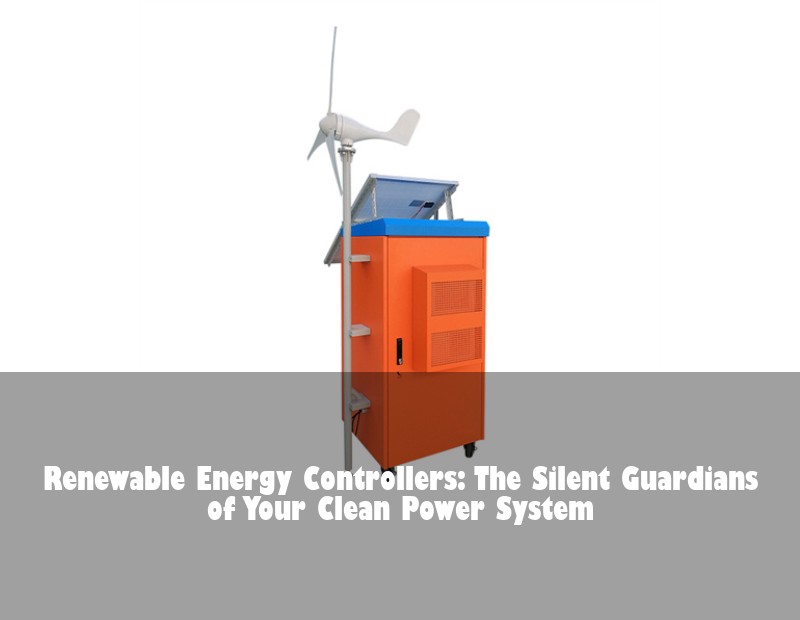
Table of Contents
- The Renewable Energy Integration Challenge
- Why Renewable Energy Controllers Are Your Grid's Best Friend
- Real-World Success: Germany's Bavarian Farm Project
- Inside Renewable Energy Controllers: Key Features Explained
- Beyond Stability: The Evolving Role of Controllers
- What's Your Energy Independence Blueprint?
Imagine your solar panels working flawlessly under the Spanish sun, your wind turbine humming in Denmark's coastal breeze, and your batteries storing every drop of green energy. Yet, without an intelligent "traffic director," this symphony becomes chaos. That's where renewable energy controllers step in—the unsung heroes transforming raw renewables into reliable power. As Europe races toward its 2030 45% renewable target, these devices aren't optional; they're essential.
The Renewable Energy Integration Challenge
Europe added 55 GW of solar capacity in 2023 alone—enough to power 16 million homes. But here’s the catch: sunshine and wind are unpredictable. When clouds roll over Italian rooftops or calm settles on North Sea turbines, voltage fluctuations can:
- Cause grid instability, risking blackouts
- Force energy curtailment (wasting up to 10% of potential power)
- Damage sensitive equipment like inverters
Without precise control, renewable systems operate like unconducted orchestras—each component playing out of sync. The result? Lost revenue and missed decarbonization goals.
 Image: Renewable integration in Europe. Credit: Unsplash/Andreas Gücklhorn
Why Renewable Energy Controllers Are Your Grid's Best Friend
Think of renewable energy controllers as multilingual diplomats. They "speak" to solar arrays, wind turbines, and battery banks, harmonizing their output. Using real-time algorithms, they:
| Function | Impact |
|---|---|
| Dynamic Load Balancing | Prevents overloads during peak generation |
| State-of-Charge Optimization | Extends battery lifespan by 20-30% |
| Grid Compliance | Ensures voltage/frequency meet EU standards |
As Solar Pro's lead engineer, I've seen controllers turn energy headaches into assets. One Danish client slashed grid dependency by 68%—simply by letting their controller manage battery discharge during cloudy afternoons.
Real-World Success: Germany's Bavarian Farm Project
Let’s get concrete. In 2022, a dairy farm in Bavaria faced €18,000/year in grid fees despite having solar panels. Their solution? A renewable energy controller paired with 50 kWh lithium storage. The results after 12 months:
- 94% self-consumption of solar energy (up from 35%)
- €14,500 saved in energy costs
- Reduced grid imports by 82%
Data from the Fraunhofer Institute confirms such systems can pay back in 4-7 years across Central Europe. The secret? Controllers don’t just react—they predict. Using weather APIs and usage patterns, they pre-charge batteries before cloudy spells.
Inside Renewable Energy Controllers: Key Features Explained
Not all controllers are equal. When evaluating options, prioritize these HVDC-ready features:
Core Capabilities
- Multi-Source Integration: Handles solar/wind/hydro inputs simultaneously
- Adaptive Charging: Adjusts battery profiles for Li-ion, lead-acid, or flow batteries
Smart Grid Compatibility
- Frequency-watt response for grid support
- Automatic switchover during outages
Pro tip: Look for IEC 61850 certification—it’s the EU's gold standard for interoperability. As one Dutch installer told me: "Controllers with machine learning cut troubleshooting time by half. They email me before issues escalate."
 Image: Controller monitoring dashboard. Credit: Unsplash/ThisisEngineering
Beyond Stability: The Evolving Role of Controllers
Tomorrow’s controllers will be grid influencers. Spain’s Red Eléctrica already uses aggregated controller networks for "virtual power plants." 10,000 home systems in Portugal reducing output during grid congestion—automatically compensated via blockchain. The future isn't just stable; it's participatory.
What's Your Energy Independence Blueprint?
Renewable energy controllers transform theoretical green potential into bankable results. They’re the difference between hoping for sunny days and capitalizing on them. So, I’m curious: When will your system start working smarter? Could your next controller be the key to unlocking Europe’s energy transition—one kilowatt at a time?
 Inquiry
 Online Chat