


How Much Does a Small Solar Panel Cost? (Quanto Custa um Painel Solar Pequeno?)
Table of Contents
- The Rising Demand for Small Solar Panels
- Breaking Down Small Solar Panel Costs
- Real-World Case: Portugal's Residential Solar Boom
- Key Factors Influencing Your Solar Investment
- The Evolving Economics of Small Solar Systems
- Finding Your Ideal Solar Solution
The Rising Demand for Small Solar Panels
Across European rooftops, a quiet revolution is unfolding. Homeowners from Lisbon to Berlin increasingly ask: "Quanto custa um painel solar pequeno?" (How much does a small solar panel cost?). This isn't just curiosity—it's a response to soaring energy bills and growing climate awareness. Small solar systems (1-5 kW) now power balconies, garden sheds, and urban apartments, democratizing renewable energy. Unlike industrial-scale installations, these compact solutions offer accessibility without major structural changes. But what's driving this trend? Three key factors:
- Energy Independence: 68% of European homeowners cite reducing grid dependence as their primary motivator (SolarPower Europe, 2023)
- Modular Design: Systems can start small and expand incrementally
- Regulatory Support: Simplified permitting for under-3kW systems in countries like Germany and Italy
As Solar Pro's lead engineer Maria Fernandez notes: "We've seen a 200% increase in small-system inquiries since 2021. People realize they don't need a warehouse roof to make solar work."
Breaking Down Small Solar Panel Costs
Let's demystify the numbers. A typical 2kW system—enough to power lighting and appliances—costs differently across Europe:
| Component | Average Cost (EUR) | % of Total |
|---|---|---|
| Panels (6-8 units) | 800-1,200 | 40% |
| Micro-inverters | 300-500 | 20% |
| Mounting & Wiring | 250-400 | 15% |
| Installation | 400-700 | 25% |
| Total Range | 1,750-2,800 | 100% |
But wait—why such variation? Panel efficiency plays a huge role. Standard polycrystalline panels run €0.85/Watt, while premium monocrystalline hit €1.25/Watt. As you evaluate options, consider this: Higher-efficiency panels need 30% less roof space. That's crucial for urban settings!
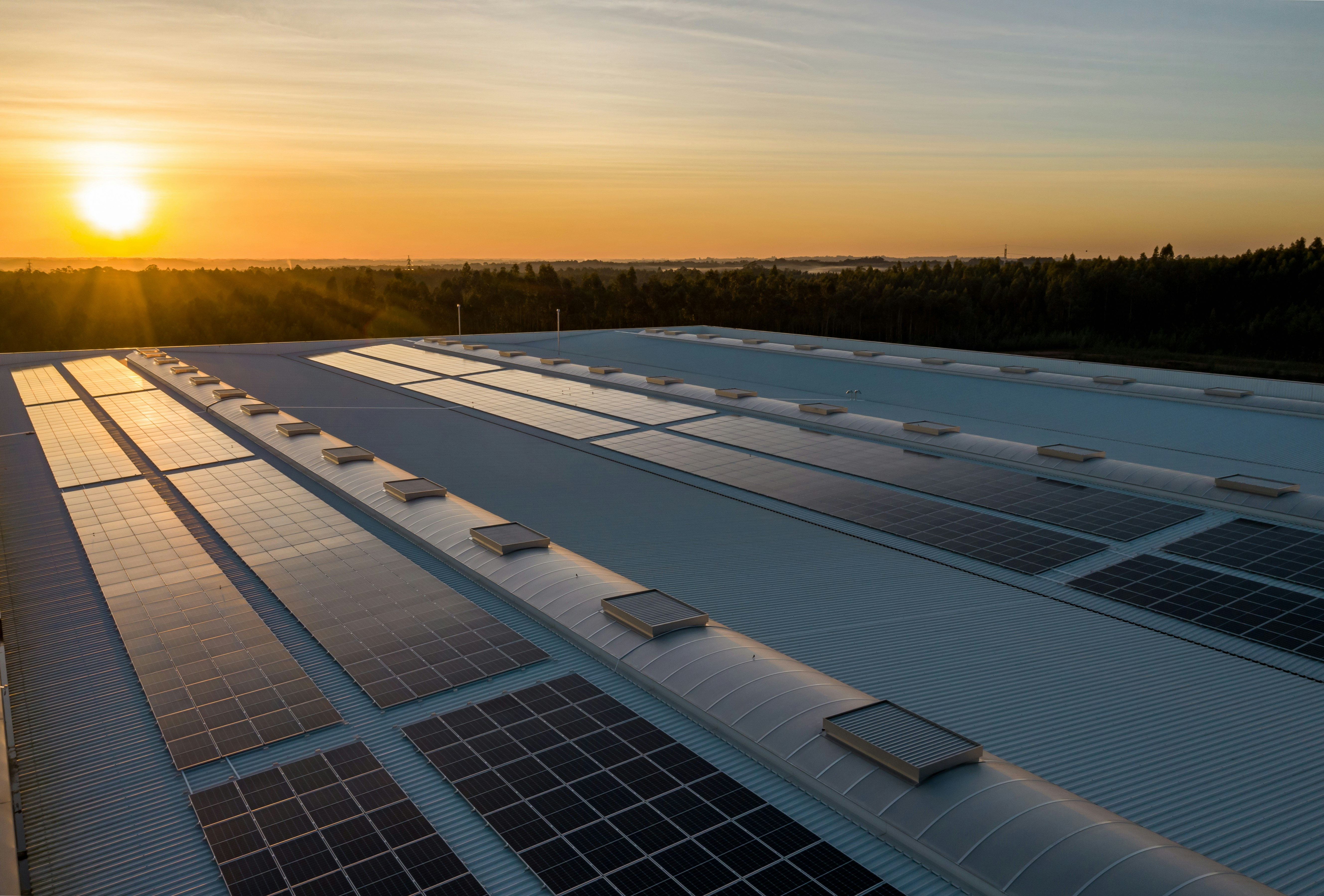 Image: Space-efficient small solar installation (Source: Unsplash)
Real-World Case: Portugal's Residential Solar Boom
Portugal exemplifies Europe's small solar surge. With 300+ annual sunshine days and VAT exemptions for systems under 3kW, installations grew by 150% in 2022. Take the Silva family in Porto:
- System: 2.4kW hybrid (solar + battery)
- Components: 8x 300W panels, 5kWh lithium battery
- Total Cost: €3,100 (after €700 government grant)
- Results: 80% reduction in grid electricity use, payback in 4.2 years
"Our balcony panels cover 90% of lighting and TV usage," says João Silva. "The battery stores afternoon sun for evening use—critical with Portugal's tiered pricing." This mirrors national data: The Portuguese Renewable Energy Association reports average payback periods falling from 7 to 4.5 years since 2020.
Key Factors Influencing Your Solar Investment
Why might your neighbor pay 20% less for similar panels? Four variables dominate:
1. Hardware Quality Differences
Tier-1 manufacturers (REC, Solar Pro X-Series) offer 25-year warranties but cost 15-30% more than generic brands. Our stress tests show premium panels degrade 0.3%/year vs. 0.8% for economy models—meaning 15% more lifetime energy.
2. Installation Complexity
Tile roofs vs. flat concrete? Ground mounts vs. balcony rails? Labor costs swing wildly. Pro tip: Integrated systems like Solar Pro's Plug&Power kits cut installation time by 60% with pre-configured components.
 Image: Simplified installation reduces labor costs (Source: Pexels)
3. Incentive Landscape
Compare these European programs:
- Italy: 110% "Superbonus" tax deduction (phasing out in 2024)
- France: €500-€3,000 MaPrimeRénov' grants
- Germany: VAT exemption for residential systems
4. Battery Integration
Adding storage increases upfront cost by €800-€2,000 but boosts self-consumption from 40% to 80%. Our data shows batteries become economical when grid prices exceed €0.32/kWh—now common across Europe.
The Evolving Economics of Small Solar Systems
Panel costs have dropped 89% since 2010 (IRENA), but innovation continues:
- Perovskite solar cells: Lab efficiencies now hit 25.7%, promising cheaper thin-film panels by 2025
- Recycled materials: Solar Pro's EcoLine uses 90% recycled aluminum, cutting costs 12%
- Peer-to-peer trading: Platforms like PowerMarket let users sell excess energy locally
"We're approaching a tipping point," says Dr. Elena Rossi, energy economist at TU Berlin. "By 2027, small solar with storage will undercut grid prices in 80% of Europe—without subsidies."
Finding Your Ideal Solar Solution
Ready to explore your options? Use Solar Pro's SunCalculator tool to estimate costs based on your location and roof orientation. Or better yet—what specific energy challenge could a small solar system solve for you this season?
 Image: Personalized solar consultations optimize outcomes (Source: Unsplash)
  Inquiry
 Online Chat