


Essential Photovoltaic System Components for Maximizing Solar Efficiency
Have you ever wondered how sunlight transforms into usable electricity for your home or business? As solar adoption surges across Europe—with Germany installing 7.4 GW in 2022 alone—understanding photovoltaic system components becomes critical. These technological building blocks work synergistically to convert solar radiation into clean energy while adapting to unique European climates and regulations. Let's explore how each component functions and why precise selection drives performance.
Table of Contents
- The European Solar Revolution: Data & Trends
- Core Photovoltaic System Components Explained
- How Component Quality Impacts System Performance
- Spanish Utility-Scale Case Study: 12MW Plant Breakdown
- Emerging Innovations in PV Components
- Practical Selection Guide for European Climates
The European Solar Revolution: Data & Trends
Europe installed a record 41.4 GW of solar capacity in 2022, a 47% year-on-year increase. This growth trajectory shows how photovoltaic system components form the backbone of the continent's renewable transition. Three key factors drive this adoption:
- Falling component costs (modules down 89% since 2010)
- Advanced grid-support features in inverters
- EU-wide standardization of mounting systems

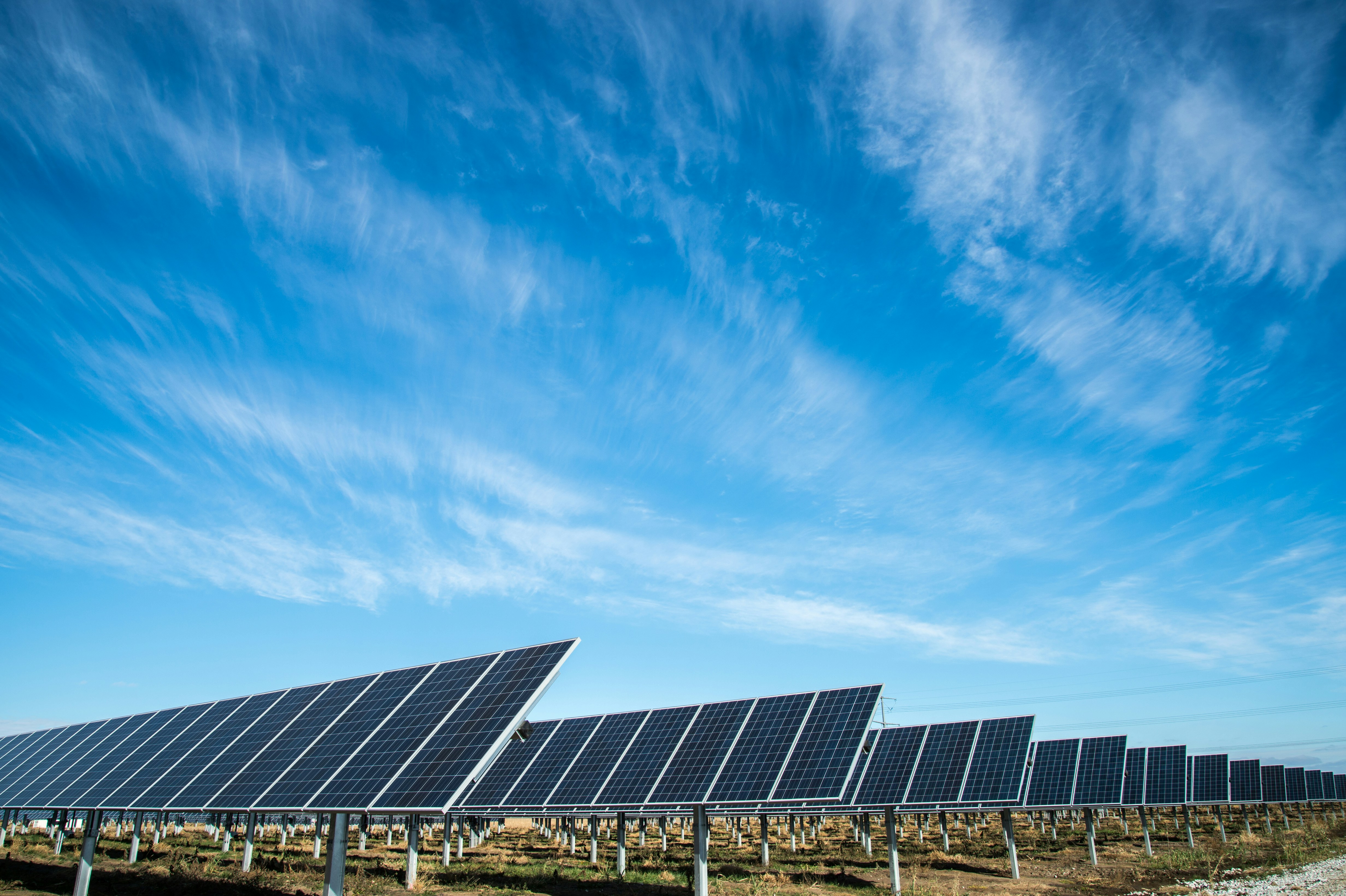
Image: Modern PV systems integrate seamlessly into European landscapes. Source: Unsplash
Core Photovoltaic System Components Explained
Solar Modules: The Energy Harvesters
Monocrystalline panels now achieve 22.8% efficiency in European field tests—crucial for limited roof spaces in dense urban areas like Paris or Amsterdam. Bifacial modules capture reflected light from snow or light-colored surfaces, boosting yields by up to 25%.
Inverters: The Brain of the System
Modern string inverters feature reactive power control for grid stability compliance with EU regulations. Hybrid models integrate batteries for time-of-use optimization—essential for markets with variable electricity pricing.
Mounting Systems: Engineering for European Conditions
| Mounting Type | Best For | Wind Load Rating |
|---|---|---|
| Ballasted Flat Roof | Commercial buildings | Up to 150 km/h |
| Penetrating Pitched Roof | Residential tiled roofs | Up to 180 km/h |
| Ground Screw | Agricultural land | Custom engineering |
Balance of System (BoS) Components
- Optimizers: Mitigate shading losses in urban environments
- Batteries: Lithium-ion dominates (95% market share) with 6,000+ cycle life
- Monitoring: Cloud-based platforms with EU GDPR-compliant data handling
How Component Quality Impacts System Performance
Did you know inverter failures cause 48% of solar system downtime? Premium components deliver long-term benefits:
- Tier-1 modules degrade <0.5% annually versus 1%+ in budget options
- IP68-rated inverters withstand humid coastal climates
- Anodized aluminum mounts prevent corrosion in alpine regions
Over 20 years, quality components can increase ROI by 18-22% despite higher initial costs.
Spanish Utility-Scale Case Study: 12MW Plant Breakdown
Seville's 2021 La Solanilla project demonstrates component synergy:
- Challenge: Extreme temperatures (45°C summer) + dust accumulation
- Component Solution:
- Bifacial modules with anti-soiling coating (22.1% efficiency)
- Central inverters with liquid cooling (+5% output at peak heat)
- Robotic cleaning system (3% yield boost)
- Results: Exceeded energy predictions by 6.3% in first year, providing power for 4,800 homes (IRENA Case Study)
Emerging Innovations in PV Components
Europe leads in component R&D with these advancements:
- PERC+ Technology: 24.5% lab efficiency cells entering mass production
- GaN Inverters: 99% efficiency with 50% size reduction (Nature Energy Study)
- AI Monitoring: Predictive failure detection using historical weather patterns
Practical Selection Guide for European Climates
Tailor your component choices to regional conditions:
- Nordic Regions: Snow load-resistant mounts + low-light optimized modules
- Mediterranean: Heat-tolerant inverters + anti-reflective coatings
- UK/Ireland: Salt-mist corrosion protection + dynamic grid support inverters
For micro-climate specific recommendations, consult the EU Building Energy Database.
Your Next Step
Which photovoltaic system component would you prioritize for reliability in your region's specific climate conditions? What local incentives could make premium components more accessible in your country?
 Inquiry
 Online Chat