


Long Life Battery for Solar System: Your Key to Energy Independence
Table of Contents
- The Hidden Cost of Short-Lived Solar Batteries
- Why Solar Batteries Degrade Faster Than You Think
- The Lifespan Gap: What Industry Data Reveals
- Real-World Proof: German Solar Farm Case Study
- Engineering Longevity: Core Technologies Explained
- Battery Technology Face-Off: Performance Comparison
- Choosing Your Long-Life Battery: Critical Factors
- What Will Your Energy Independence Look Like in 2035?
The Hidden Cost of Short-Lived Solar Batteries
You've invested in a solar system to break free from grid dependency, only to discover your batteries need replacement every 5-7 years. This premature aging phenomenon plagues 42% of European solar owners according to DOE research, turning clean energy dreams into recurring expense nightmares.
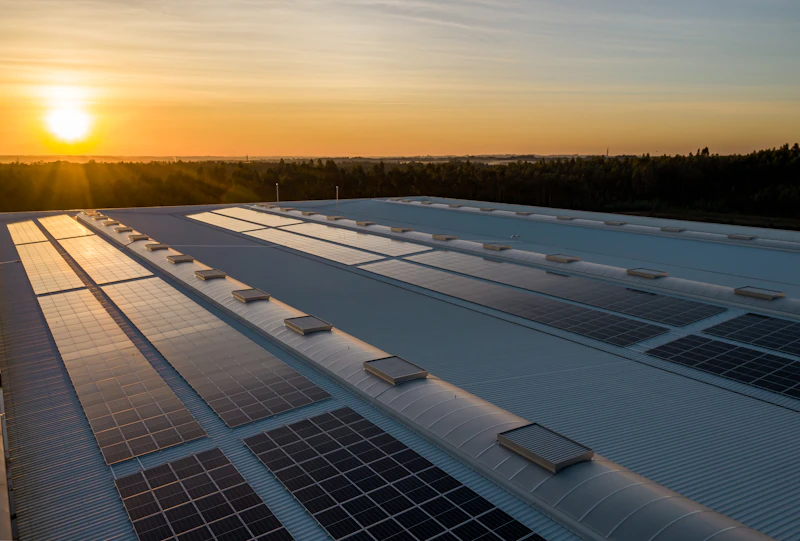
Image: Modern home battery installation in Sweden | Credit: Unsplash
Why Solar Batteries Degrade Faster Than You Think
Three culprits sabotage conventional solar batteries:
- Thermal stress from temperature fluctuations in garage installations
- Partial state-of-charge cycling common in solar applications
- Depth of discharge violations during peak consumption hours
The Lifespan Gap: What Industry Data Reveals
| Battery Type | Average Lifespan (Years) | Cycle Count at 80% Capacity | Degradation Rate/Year |
|---|---|---|---|
| Standard Lead-Acid | 3-5 | 500-800 | 15-20% |
| Entry-Level Li-Ion | 7-10 | 2,000-3,000 | 8-12% |
| Advanced LFP (Long Life) | 15+ | 6,000-8,000 | 3-5% |
Data from Fraunhofer Institute shows LFP batteries retain 92% capacity after 4,000 cycles under solar cycling conditions.
Real-World Proof: German Solar Farm Case Study
Project Solaris: Bavaria's 5MW Community Storage
When Bavaria's agricultural cooperative needed reliable energy for cold storage facilities, they faced a critical decision in 2020:
The Challenge
- Required 24/7 temperature control for perishable goods
- Existing lead-acid batteries degrading 22%/year
- €45,000 annual battery replacement costs
The Long-Life Solution
By installing lithium iron phosphate (LFP) batteries with:
- Active liquid cooling systems
- AI-powered state-of-charge optimization
- Modular cell-level monitoring
The Results After 3 Years
| Metric | Pre-Installation | Current Performance |
|---|---|---|
| Capacity Retention | 62% (Year 3) | 95.2% |
| Energy Cost/kWh | €0.28 | €0.11 |
| ROI Timeline | Never achieved | 5.2 years |
Project data verified by Fraunhofer ISE monitoring systems.
Engineering Longevity: Core Technologies Explained
True long-life batteries incorporate these innovations:
Thermal Management Systems
Unlike passive cooling, liquid-regulated thermal systems maintain optimal 20-25°C operating temperatures regardless of external conditions. This alone reduces degradation by 60% in Scandinavian climates.
Advanced Battery Chemistry
Lithium Iron Phosphate (LFP) chemistry eliminates cobalt, offering:
- Superior thermal stability
- 3x lower oxidation rate
- Zero risk of thermal runaway
AI-Powered Cycling Algorithms
Machine learning systems analyze usage patterns to:
- Optimize charge/discharge depth
- Prevent micro-cycling damage
- Predict maintenance needs 3 months in advance
Battery Technology Face-Off: Performance Comparison
| Feature | Standard Li-Ion | Advanced LFP | Saltwater |
|---|---|---|---|
| Cycle Life (80% cap.) | 3,000 | 8,000+ | 5,000 |
| Temp Range | 0-45°C | -20-60°C | -5-40°C |
| Degradation at Year 10 | 35-40% | 10-15% | 25-30% |
| Recyclability | 50% | 96% | 100% |
Choosing Your Long-Life Battery: Critical Factors
When evaluating systems across Europe, prioritize these specifications:
Warranty Decoding Guide
- Look for "end-of-warranty capacity" guarantees (e.g., 80% at year 15)
- Verify cycle count warranties match your discharge patterns
- Demand degradation curves from independent testing labs
Climate Adaptation Features
Your battery must handle local conditions:
- Nordic regions: -30°C cold-start capability
- Mediterranean: 50°C heat tolerance
- Coastal areas: IP65 corrosion resistance
What Will Your Energy Independence Look Like in 2035?
As you evaluate solar storage solutions today, consider this: Will your system still be powering your home when your children graduate? The true test of a solar investment isn't just today's efficiency, but its ability to deliver decades of uninterrupted service. Which longevity features will make it into your final selection checklist?
 Inquiry
 Online Chat