


Home Networks Electric & Solar: The Future of Energy Independence
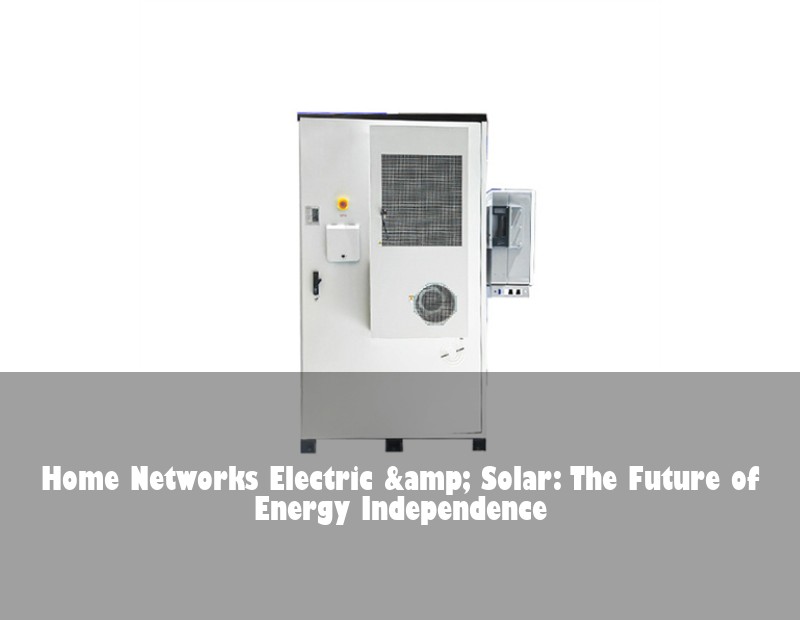
Imagine your home seamlessly balancing solar generation, battery storage, and grid electricity—like a self-optimizing energy ecosystem. Across European households, this vision is becoming reality through integrated home networks electric & solar systems. From Berlin to Barcelona, homeowners are transforming from passive consumers into active energy managers, slashing bills while boosting resilience.
Table of Contents
- The Energy Dilemma: Why Traditional Grids Fall Short
- Solar-Electric Networks: How They Revolutionize Home Energy
- Real Impact: A Hamburg Family's 90% Grid Independence Journey
- Inside the System: Key Components & Smart Management
- Beyond Today: AI, Vehicle-to-Home, and Energy Communities
- Ready to Transform Your Home? First Steps to Consider
The Energy Dilemma: Why Traditional Grids Fall Short
European households face a triple challenge: soaring electricity prices (up 72% in Germany since 20201), unreliable grids, and inflexible energy plans. You generate solar power at noon but need energy at night—creating a frustrating mismatch. Without intelligent management:
- Excess solar energy gets sold to grids at low rates
- Peak-hour grid consumption burns through savings
- Blackouts still disrupt households during storms
This isn't just inefficiency—it’s lost money and unnecessary carbon emissions.
Solar-Electric Networks: How They Revolutionize Home Energy
Integrated home networks merge solar panels, batteries, EV chargers, and smart devices into a single intelligent system. Think of it as an energy conductor for your household:
| Component | Role | Benefit |
|---|---|---|
| Smart Inverter | Energy traffic control | Directs solar power to batteries/appliances |
| AI Energy Manager | Predictive optimization | Learns usage patterns, weather forecasts |
| Bidirectional EV Charger | Mobile power bank | Uses EV battery during peak hours |
For example, during sunny afternoons, the system might prioritize charging your EV while storing surplus energy—then powering your home from batteries during expensive evening rates.
Real Impact: A Hamburg Family's 90% Grid Independence Journey
The Hoffmann family installed a 10kW solar array with 20kWh battery storage and smart controls in 2022. Their results after one year:
- ☀️ 94% self-consumption of solar energy (vs. 35% pre-system)
- 💶 €1,820 annual savings on energy bills
- ⚡ 9 hours of backup power during grid outages
"Our system even alerts us when to run the dishwasher based on solar forecasts," says Anja Hoffmann. "It’s like having an energy butler!"
The Intelligence Behind the Curtain: How These Networks Learn
Modern systems use predictive algorithms combining weather data, tariff schedules, and usage history. At 5 AM, your network might:
- Check solar forecasts via satellite APIs
- Pre-charge batteries before peak pricing hits
- Delay pool heating if clouds are predicted
Source: U.S. Department of Energy Study on Smart Systems Integration
Beyond Today: What’s Next for Home Energy Networks?
Emerging technologies are accelerating this revolution:
- Vehicle-to-Home (V2H): Nissan Leaf batteries now power homes during outages
- Blockchain Energy Trading: Pilot in Rotterdam lets neighbors sell excess solar
- AI Optimization: Systems like SolarEdge's Energy Hub cut grid reliance by 45%
Ready to Transform Your Home? First Steps to Consider
Your energy future starts with three questions:
- Do you have an EV or plan to get one?
- What’s your current peak-hour electricity consumption?
- How critical is backup power for your household?
Start your journey today: Which appliance would you first connect to a solar-electric network—your heat pump, EV charger, or home office?
1 Source: Clean Energy Wire - German Electricity Price Trends
 Inquiry
 Online Chat