


Home Backup Battery System: Your Shield Against Power Uncertainty
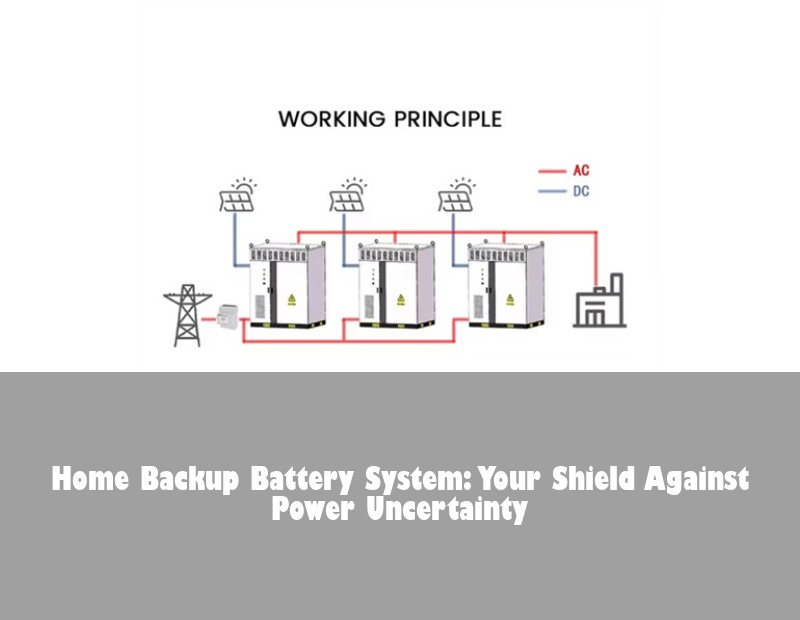
Table of Contents
Imagine preparing dinner when suddenly your lights flicker and die. Outside, a storm rages, and your phone buzzes with outage alerts. This scenario is becoming disturbingly common across Europe, where extreme weather events increased 60% in the last decade. But what if your home could seamlessly switch to backup power? That's where a home backup battery system transforms vulnerability into resilience.
The Rising Need for Energy Resilience
Europe faces unprecedented energy challenges. From grid overloads during heatwaves to infrastructure damage from severe storms, power interruptions now cost EU households €150-€500 per outage incident. Consider these realities:
- Germany experienced 187,000 power outages in 2022 alone
- UK households suffered average outages of 4.5 hours annually
- Energy prices surged up to 80% post-2021 across EU nations
"We initially dismissed batteries as luxury items," admits Sofia Rodriguez, a Barcelona homeowner. "Then a three-day blackout spoiled €300 of groceries and paralyzed our home office. That perspective changed overnight."
How Home Backup Battery Systems Work
Modern systems like Solar Pro's PowerVault create an intelligent energy ecosystem. Here's the magic behind the curtain:

Image: Integrated solar and battery system. Credit: Pexels
| Component | Function | Smart Feature |
|---|---|---|
| Lithium-Ion Battery | Stores 5-20kWh of energy | Self-learning usage patterns |
| Hybrid Inverter | Converts DC to AC power | Grid/solar/battery prioritization |
| Energy Manager | System brain | Weather-predictive charging |
During normal operation, your system prioritizes solar consumption while silently charging the battery. When grid failure occurs, the transition happens in under 20 milliseconds - faster than a lightbulb filament cools.
Real-World Impact: A German Case Study
Consider the Müller family in Bavaria who installed a 10kWh system during their solar upgrade:
- Outage Protection: Maintained power during 7 grid failures in 2023
- Energy Savings: Reduced grid consumption by 78% during peak hours
- ROI Timeline: 6.2 years with Germany's KfW subsidies

Image: Uninterrupted home life during outages. Credit: Pexels
"The December ice storm left our neighborhood dark for 36 hours," recalls Thomas Müller. "While others checked into hotels, we maintained heat, internet, and even baked Christmas cookies. The system paid for itself that single event."
Choosing Your Optimal Configuration
Not all homes need identical solutions. Critical factors include:
- Essential Loads: Medical equipment? Refrigerators? Sump pumps?
- Duration Needs: 8-hour coverage vs. multi-day resilience
- Solar Integration: Existing panels or new installation?
Our rule of thumb? Start with 3kWh per critical appliance plus 20% buffer. Most European households find 8-12kWh systems deliver optimal coverage for €9,000-€15,000 pre-subsidy. Curious about your specific needs? Try our interactive sizing calculator.
Beyond Backup: Financial Benefits Unlocked
While security is paramount, modern systems deliver ongoing value:

Image: Real-time energy management via app. Credit: Pexels
- Peak Shaving: Avoid premium pricing during high-demand periods
- Energy Arbitrage: Store cheap night-rate power for daytime use
- V2G Potential: Future vehicle-to-grid income streams
UK households using time-of-use tariffs typically save £320 annually through strategic battery cycling. As energy consultant Dr. Elena Petrov notes: "Batteries transform consumers into prosumers - actively participating in grid stabilization while lowering bills."
Future-Proofing Your Energy Independence
The energy landscape evolves rapidly. With the EU mandating solar-ready buildings by 2029, battery systems become the natural next step. Emerging innovations like wildfire-risk mode (pre-charging when fire threats increase) and grid-services participation demonstrate these systems are investments, not expenses.
So we leave you with this: When the next storm warning appears on your weather app, will you be reaching for candles - or simply continuing your daily life uninterrupted?
 Inquiry
 Online Chat