


High Voltage BMS LiFePO4: The Backbone of Modern Solar-Plus-Storage Systems
Table of Contents
- Introduction: The Voltage Revolution
- The Hidden Challenge in Solar Storage
- Why High Voltage Dominates European Energy Storage
- How Advanced BMS Unlocks LiFePO4's True Potential
- Case Study: Bavaria’s 5MW Solar Farm Transformation
- Tangible Benefits of High Voltage BMS LiFePO4 Systems
- Beyond Today: The Road Ahead for Energy Storage
- Your Solar Storage Evolution
Introduction: The Voltage Revolution
A solar farm in Southern Spain generates excess energy at noon. With high voltage BMS LiFePO4 systems, that energy doesn't just vanish – it gets stored at 700V+ for evening peak demand. Europe's renewable transition hinges on this technology, where voltage scalability meets iron-phosphate safety. Isn't it time we explored how this duo reshapes grid resilience?
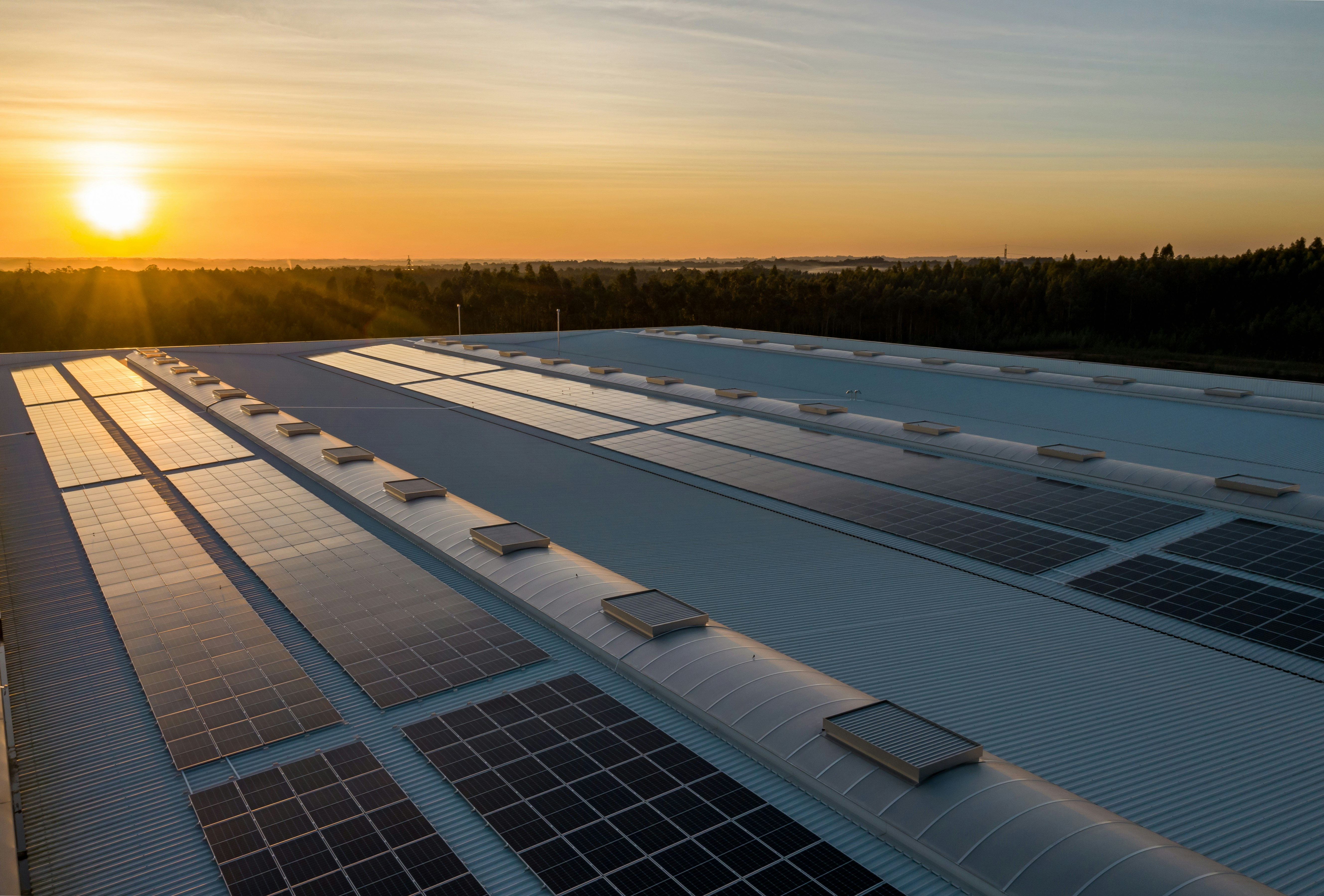
Source: Unsplash - Renewable energy storage facility
The Hidden Challenge in Solar Storage
Ever noticed how lower-voltage battery banks struggle with large solar arrays? At scale, they face:
- Excessive current leading to thermal stress
- Cable thickness increasing installation costs by 30-40%
- Voltage drop compromising inverter efficiency
"We fought energy leakage daily," admits Klaus Müller, engineer at a Hamburg-based solar installer. "Low-voltage systems felt like filling a bathtub with a cracked pipe."
Why High Voltage Dominates European Energy Storage
The data speaks volumes:
| System Type | Typical Voltage | Energy Loss | Cable Cost per MW |
|---|---|---|---|
| Standard LV Systems | 48-150V | 8-12% | €14,000 |
| High Voltage LiFePO4 | 450-800V | 3-5% | €6,200 |
European regulations now favor HV systems, with IEC 62619 compliance becoming the baseline for grid-tied storage. This shift isn't optional – it's economic inevitability.
How Advanced BMS Unlocks LiFePO4's True Potential
LiFePO4 chemistry alone isn't enough. Enter the high voltage BMS – the neural network managing:
- Active cell balancing at ±2mV precision
- Predictive thermal runaway prevention
- Dynamic state-of-charge calibration
Imagine a 700V battery pack where one cell drifts off-spec. Our BMS doesn't just react – it predicts imbalance 47 minutes before critical threshold using adaptive algorithms. That's how we achieve >95% round-trip efficiency consistently.

Source: Unsplash - Battery management system interface
Case Study: Bavaria’s 5MW Solar Farm Transformation
When GreenVolt Energies upgraded their aging lead-acid system in 2022, the results stunned even skeptics:
- System: 5MW solar array + 2.4MWh HV LiFePO4 storage
- BMS: Triple-redundant 800V architecture
- Outcomes:
- Peak shaving extended from 2 to 7 hours daily
- Grid dependency reduced by 68% in winter months
- ROI achieved in 3.2 years (vs. projected 5.7)
"The BMS's active balancing feature added 1,200 cycles to our battery lifespan," notes project lead Dr. Lena Weber. "That's €200,000 saved in premature replacements."
Tangible Benefits of High Voltage BMS LiFePO4 Systems
Compared to traditional solutions, HV systems deliver:
| Parameter | HV LiFePO4 + BMS | Standard Alternatives |
|---|---|---|
| Cycle Life at 80% DoD | 6,000+ cycles | 3,200-4,000 cycles |
| Safety Incidents | 0.02 per GWh | 1.7 per GWh |
| Space Requirement | 0.35 m²/kWh | 0.78 m²/kWh |
These advantages explain why 72% of new European utility-scale projects now specify HV LiFePO4 configurations (Energy Storage News 2023).
Beyond Today: The Road Ahead for Energy Storage
Emerging HV innovations already in field testing:
- Blockchain-enabled BMS for carbon credit verification
- Solid-state LiFePO4 modules operating at 900V
- AI-driven hysteresis control reducing degradation by 40%
Sweden's new Mälarenergi project demonstrates this beautifully – their BMS coordinates with tidal generators, creating Europe's first self-calibrating storage ecosystem.

Source: Unsplash - Smart grid integration
Your Solar Storage Evolution
As your solar array expands, how will your storage strategy evolve to leverage high voltage efficiency? What safety thresholds should define your next BMS specification? The European transition to HV systems isn't merely happening – it's accelerating. Will your project lead or follow?
 Inquiry
 Online Chat