


Genset and Solar Power Solutions: Revolutionizing Energy Security
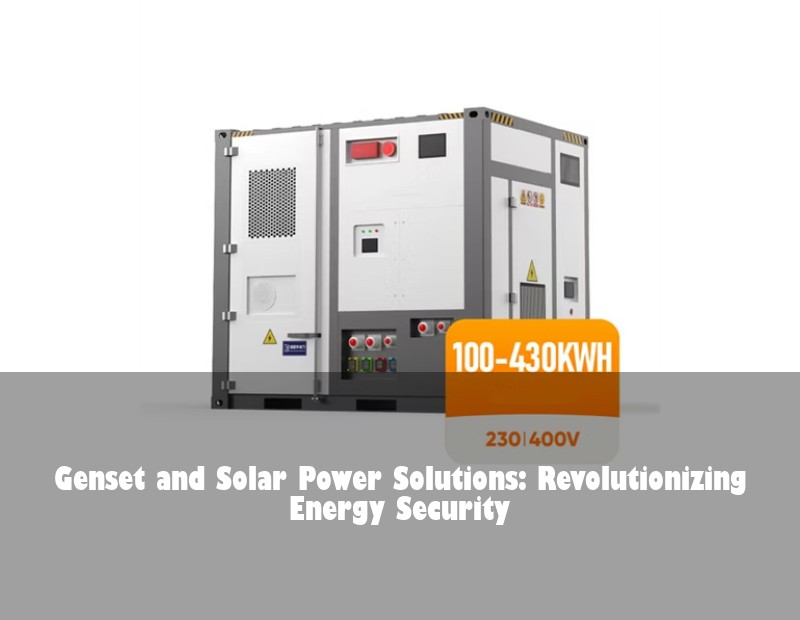
Table of Contents
Ever noticed your diesel generator running longer than needed during sunny days? You're not alone. Across European factories and remote sites, traditional gensets remain vital backups - yet their fuel costs and carbon emissions increasingly clash with both economic and environmental goals. As energy volatility persists, the genset and solar power solutions emerge not as alternatives, but as integrated allies. Let's examine why hybrid systems are becoming Europe's energy safety net.
The Hidden Costs of Standalone Generators
While diesel gensets provide reliable backup, operational realities reveal critical limitations:
- Fuel expenses consume 65-78% of total ownership costs (IEA, 2023)
- Each 100kWh genset operation emits ~90kg CO₂ - equivalent to driving 350km
- Maintenance downtime averages 6-10 days/year for industrial units
Consider this: When Spanish agribusiness La Almudema relied solely on gensets during grid outages, their energy costs spiked by 217% in 2022. The solution? Integration.
Engineering Hybrid Genset-Solar Systems
Modern hybrid solutions combine solar generation, battery storage, and smart-genset controllers into a single resilient ecosystem:
| Component | Function | Hybrid Advantage |
|---|---|---|
| Solar PV Array | Primary energy generation | Reduces genset runtime by 40-70% |
| Intelligent Controller | Prioritizes energy sources | Auto-starts genset only at critical battery levels |
| Lithium Batteries | Stores solar surplus | Absorbs load spikes, preventing genset overuse |
This isn't just theory - it’s physics meeting practical engineering. When solar production dips, the system doesn’t panic. Instead, it calculates:
- Battery charge status
- Forecasted solar yield
- Load demand patterns
Only then does it engage the genset - and often at optimal efficiency ranges.
Real-World Impact: Germany’s 1.2MW Hybrid Triumph
Bavarian manufacturer Schmidt Textil faced a dilemma: €480,000/year in diesel costs and carbon penalties threatening operations. Their 2023 hybrid retrofit delivered striking results:
- System scale: 800kW solar + 400kWh storage + 1.2MW genset
- Performance: 78% reduction in diesel consumption
- Financials: 3.2-year ROI with €290,000/year savings
- Sustainability: 1,100 tons CO₂ reduction annually
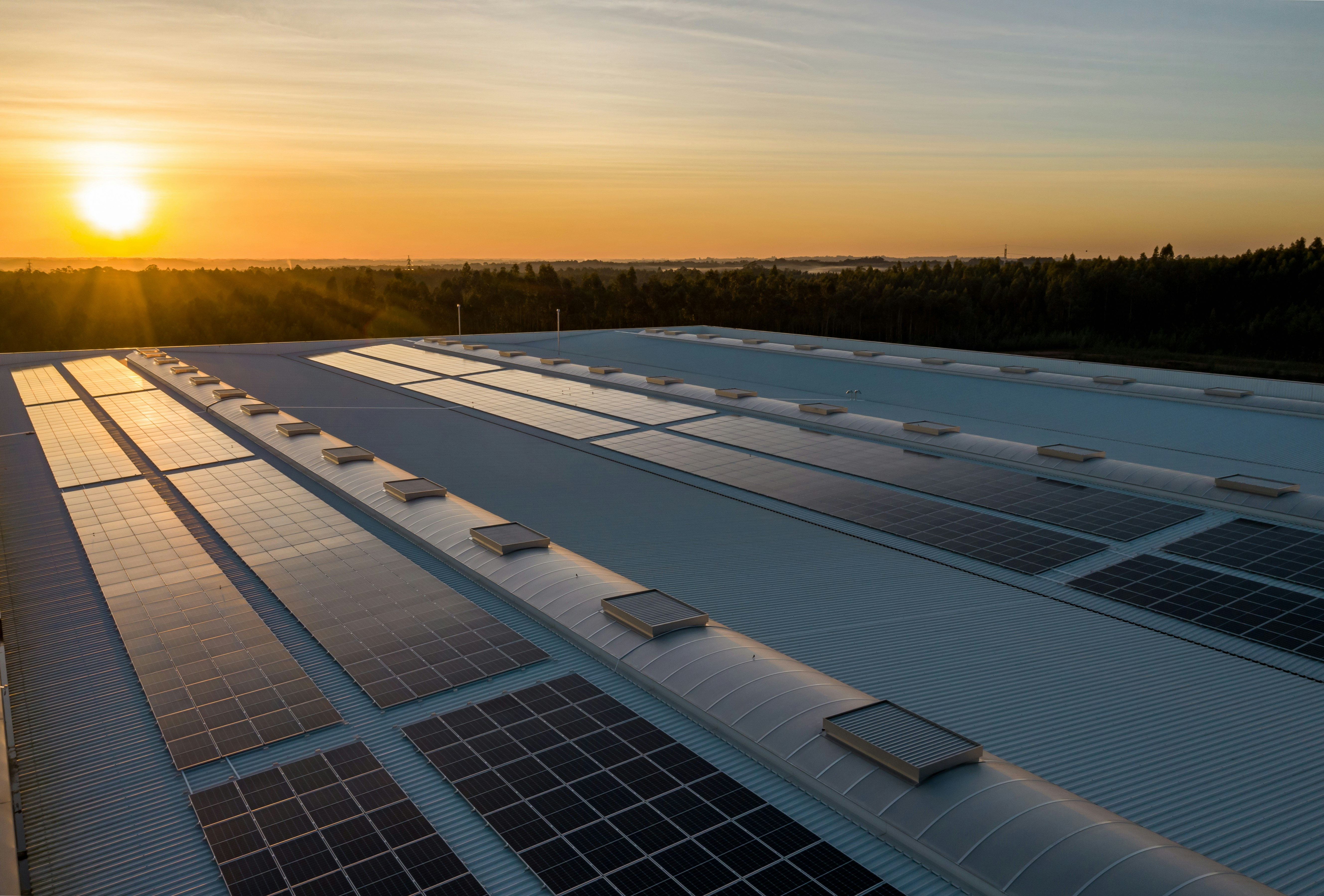
Image source: Renewable Energy World - Commercial hybrid installation in Bavaria
"The genset now operates like a precision instrument rather than a blunt tool," noted their energy manager. During winter grid instability, the system maintained production uninterrupted while cutting fuel use by 62% compared to pre-hybrid operations.
Advanced Control Logic: The Brains Behind Reliability
What separates basic hybrids from high-performance systems? Three layers of intelligence:
1. Predictive Load Management
Algorithms analyze historical consumption patterns to pre-charge batteries before peak tariffs or anticipated outages.
2. Dynamic Fuel Mapping
Gensets run at variable speeds matching exact demand - no more 100% runs for 30% loads. This alone reduces fuel waste by 15-25%.
3. Weather-Adaptive Protocols
Integrating live weather feeds allows the system to adjust energy reserves based on solar forecasting. Cloudy tomorrow? Batteries charge more today.
Your Energy Resilience Blueprint
Every European operation faces unique challenges: Italian vineyards needing refrigeration backup, Norwegian telecom towers requiring cold-weather reliability, or Greek island resorts prioritizing silent operation. The beauty of modern genset and solar power solutions lies in their adaptability. As you evaluate options, consider:
- What percentage of your genset runtime occurs during daylight hours?
- How would reducing fuel dependence impact your operational budgets?
- Could carbon reduction become your next competitive advantage?
We'd love to hear: What energy resilience challenge keeps you awake at night? Share your scenario below - let's explore what hybrid configuration could transform your energy equation.
 Inquiry
 Online Chat