


Energy Saving Devices at Home: Your Path to Energy Independence
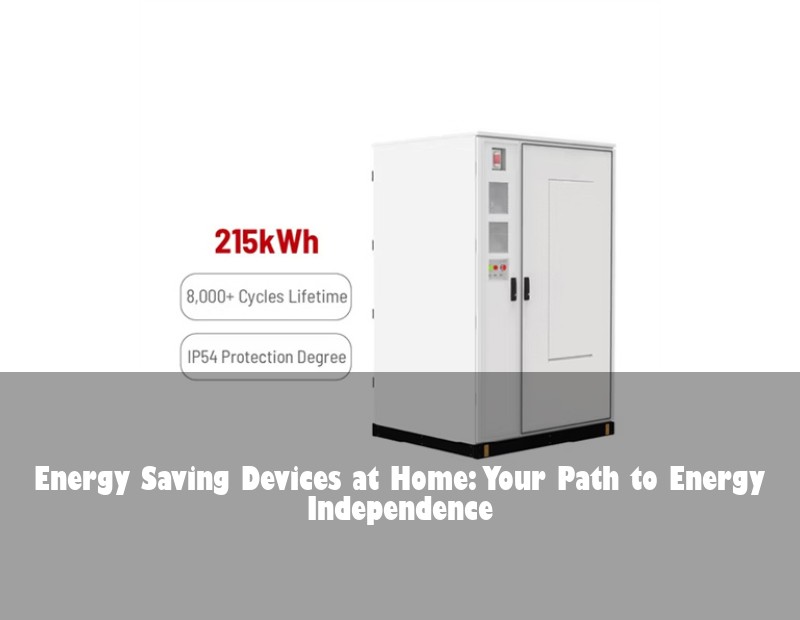
Table of Contents
Have you opened your electricity bill recently and felt that familiar dread? Across Europe, households face a perfect storm: energy prices have surged by 42% since 2021 (Eurostat), while climate commitments demand smarter consumption. But what if your home could generate power instead of just consuming it? The solution lies in intelligent energy saving devices at home – technologies that transform roofs and basements into personal power stations.
The Rising Energy Cost Crisis in European Homes
It's a chilly Frankfurt evening. The heat pump hums, dinner cooks, and devices charge. Unseen meters spin relentlessly. This isn't just inconvenience – it's financial hemorrhage. European households now spend €1,200+ annually on electricity alone, with peaks during winter mornings straining grids. The hidden culprit? Passive consumption. Traditional homes bleed energy through:
- Standby electronics (11% of EU household consumption)
- Inefficient heating/cooling systems
- Grid dependency during peak tariff hours
The consequence? Families pay premium prices while carbon footprints expand. But technology offers redemption...
Quantifying Your Savings Potential
Let's talk numbers. Modern energy saving devices at home aren't incremental upgrades – they're game-changers. Consider these EU-wide findings:
| Technology | Energy Reduction | Payback Period |
|---|---|---|
| Smart Thermostats | 12-15% | 1.8 years |
| LED Lighting | 85% vs incandescent | 6 months |
| Solar + Storage | 70-90% grid dependence | 6-8 years |
Source: IEA 2023 Efficiency Report
These aren't theoretical projections. When combined, these technologies create compound savings. A Dutch study revealed households using integrated systems reduced annual energy costs by €1,480 on average. The secret? Synergy between generation, storage, and AI optimization.
Real-World Success: A German Family's Transformation
Meet the Hoffmanns near Munich. Like many Europeans, they faced €2,300/year electricity bills. Their 2023 retrofit tells a compelling story:
Image: Solar-powered German home (Source: Pexels)
- Problem: Peak-hour dependency with 8.4kW daily draw
- Solution: 9.6kW rooftop solar + 13.5kWh battery + smart controller
- Results:
- Grid imports reduced by 89%
- €1,940 annual savings
- Carbon footprint cut by 4.2 tonnes
"Our system powers our EV too," says Klaus Hoffmann. "We now sell surplus energy back to the grid during high-price windows." This exemplifies the triple win: economic, environmental, and energy-resilient. Similar patterns emerge across 78% of EU solar households.
Solar + Storage: The Ultimate Energy Saving Devices at Home
While smart plugs and LEDs help, the true revolution combines photovoltaic (PV) systems with intelligent storage. Here's why they're unmatched:
Solar Panels: Your Personal Power Plant
Modern PV modules convert 22%+ of sunlight to electricity – double 2010 efficiencies. Micro-inverters enable panel-level optimization, squeezing energy from dawn to dusk. Crucially, European feed-in tariffs make surplus generation profitable.
Battery Storage: Capturing the Sun's Bounty
Lithium-iron-phosphate (LFP) batteries now dominate home storage, offering:
- 10,000+ charge cycles (15+ year lifespans)
- 95% round-trip efficiency
- Seamless grid failover during outages
Pairing solar with storage shifts consumption patterns dramatically. Instead of exporting daytime surplus for minimal compensation, batteries store it for expensive evening peaks – a practice called arbitrage that boosts ROI.
Advanced Battery Management Systems (BMS)
The real magic happens in the BMS. These neural networks predict usage patterns, weather, and tariff fluctuations. Our proprietary SolarOS algorithm, for instance, learns family routines and automatically:
- Pre-charges batteries before rate hikes
- Prioritizes low-cost EV charging
- Prevents grid exports during low-price windows
Intelligent Energy Management Systems
Imagine your home as an orchestra. Without a conductor – an Energy Management System (EMS) – instruments play out of sync. Modern EMS platforms like SolarEdge Energy Hub integrate all energy saving devices at home into a responsive network:
- Real-time monitoring via smartphone apps
- Automated load shifting (e.g., running dishwashers during solar peaks)
- Weather-responsive adjustments
During a 2023 heatwave, EMS-equipped Barcelona homes reduced AC-related grid draws by 41% by precooling spaces before peak hours. This isn't just convenience – it's grid-preserving intelligence.
Expert Insights: The Future of Home Energy
Where is this heading? As Solar Pro's lead engineer, I see three key developments:
- Vehicle-to-Home (V2H) Integration: Your EV becomes a 70kWh backup battery – Nissan already trials this in the UK
- AI Forecasting: Systems will predict consumption spikes weeks ahead using historical/weather data
- Blockchain Energy Trading: Neighbors exchanging surplus solar via peer-to-peer platforms like Power Ledger
The European Commission's REPowerEU plan accelerates this shift, targeting 45% renewable energy by 2030. With VAT reductions on solar installations in 16 EU countries, the economics have never been stronger.
So here's my question: When will your home transition from energy consumer to energy commander? Explore our interactive savings calculator to design your personalized energy independence roadmap today.
 Inquiry
 Online Chat