


How to Determine Solar System Size for Maximum Efficiency
Table of Contents
- Introduction: Why System Size Matters
- Key Factors in Solar Sizing
- Real-World Case Study: Germany
- Step-by-Step Calculation Guide
- Integrating Energy Storage
- Your Solar Journey Starts Here
Introduction: Why System Size Matters
Ever wondered why some solar installations outperform others? The secret often lies in properly determining solar system size. Getting this right means balancing energy independence with financial returns – especially across Europe's diverse climates. Too small, and you'll remain grid-dependent; too large, and you'll overspend on unused capacity. Let's explore how to find your Goldilocks zone.
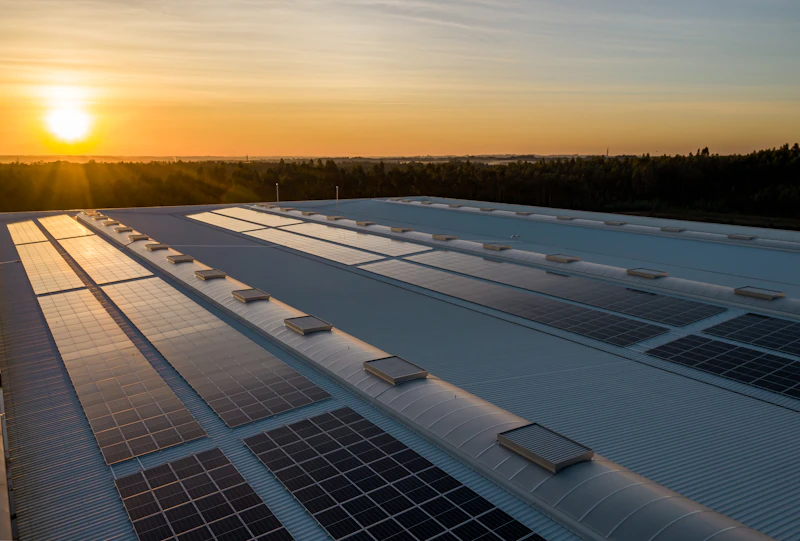
Image: Residential solar installation in France. Credit: Unsplash/Photographer Name
Key Factors in Solar Sizing
Determining solar system size isn't one-size-fits-all. Three pillars shape your ideal configuration:
- Energy Consumption: Analyze 12 months of utility bills
- Geographical Variables: Solar irradiance maps show Germany receives 30% less sun than Spain (EU Solar Atlas)
- Physical Constraints: A south-facing 30° roof in Munich yields 25% more than east-west orientation
Remember seasonal variations! Sweden's winter output can drop to 1/5th of summer production, necessitating careful oversizing.
Real-World Case Study: Germany
Consider the Müller family near Frankfurt:
- Challenge: 4,800 kWh annual consumption with steep winter bills
- Solution: 6kW system with 8kWh battery storage
- Results: 78% self-sufficiency, €1,200 annual savings
| Component | Specification | Impact |
|---|---|---|
| Panels | 18x 335W monocrystalline | 6,030W peak capacity |
| Inverter | Hybrid 5kW | 97% efficiency rating |
| Battery | LiFePO₈ chemistry | 3,000 cycle lifespan |
Their secret? They used NREL's calculation methodology to account for 1,050 kWh/m² annual irradiation.
Step-by-Step Calculation Guide
1. Calculate Daily Energy Needs
Divide annual consumption (kWh) by 365. European average: 8-12 kWh/day
2. Account for Solar Irradiance
Use the formula:
System Size (kW) = Daily Usage (kWh) ÷ Peak Sun Hours
Example for London: 10kWh/day ÷ 2.8 hours = 3.57kW system
3. Apply Efficiency Factors
- Inverter losses (3-8%)
- Temperature derating (10-25%)
- Shading losses (location-specific)
Pro tip: Add 15-20% buffer for panel degradation over 25 years.
Integrating Energy Storage
When determining solar system size, storage transforms your equation. Consider:
- Battery sizing rule: 1-3 days of autonomy
- European trend: 70% of new German installations include storage (SolarPower Europe Report)
- Cost tip: Pairing 5kW solar with 5kWh storage typically increases self-consumption from 30% to 70%
Remember: Winter storage needs often dictate system size in Nordic countries.
Your Solar Journey Starts Here
Now that you understand the fundamentals of determining solar system size, what's your first step? Will you be analyzing your energy bills this weekend, or consulting our interactive sizing tool to see how much roof space you'd need for 80% energy independence?
 Inquiry
 Online Chat