


Understanding the True Cost of Hybrid Solar Battery Systems
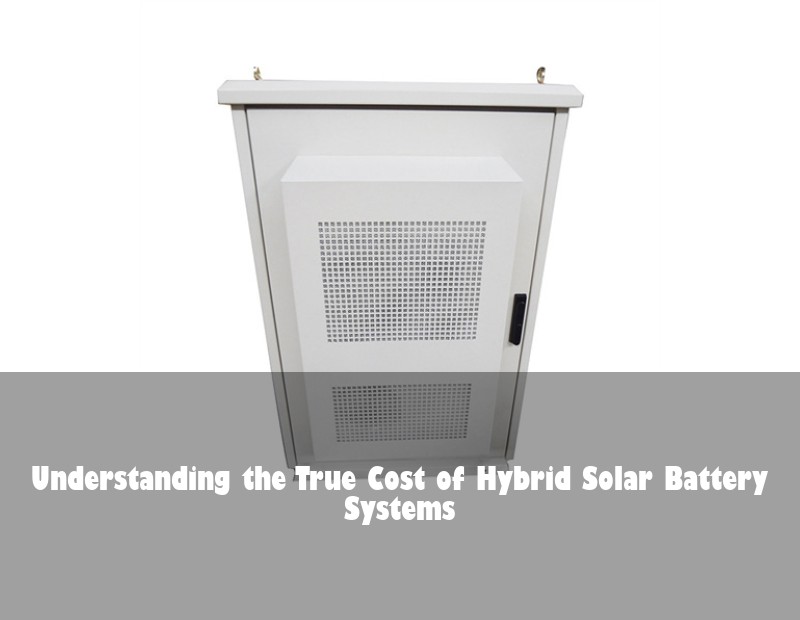
As energy prices surge across Europe, homeowners and businesses are asking: "What's the real cost of a hybrid solar battery solution?" Let's explore how this technology pays for itself while giving you energy independence.
Table of Contents
- Europe's Energy Crisis: A Tipping Point
- Hybrid System Cost Breakdown
- Real-World Case: Germany's Solar Revolution
- 5 Proven Ways to Reduce Your Hybrid Costs
- Where Battery Costs Are Heading
Europe's Energy Crisis: A Tipping Point
Your electricity bill has doubled in 18 months. You're not alone. Across Germany, Spain, and the UK, households face 25-40% energy price hikes (Eurostat 2023). This volatility makes the cost of hybrid solar battery systems not an expense, but an investment in predictability.
Hybrid System Cost Breakdown
Let's demystify pricing. A typical 10kWh hybrid installation includes:
| Component | Cost Share | Price Trend |
|---|---|---|
| Lithium Batteries | 50-60% | ↓ 12% annually |
| Hybrid Inverter | 20-25% | Stable |
| Installation & Grid | 15-20% | ↑ 5% annually |
| Monitoring | 5% | ↓ 8% annually |
But here's what most miss: Your location dramatically impacts payback periods. Southern European systems pay back 30% faster than Nordic installations due to higher solar yields.

Image: Typical hybrid system components (Source: SolarTech Imagery)
Real-World Case: Germany's Solar Revolution
Meet the Schmidt family near Munich. Their 2022 installation:
- System: 8.6kW solar + 9.8kWh battery
- Total Cost: €18,200 (after KfW subsidy)
- Results: 92% grid independence, €1,880 annual savings
"Our payback period was 6.7 years," says Klaus Schmidt. "But the real win? Zero blackouts during last winter's grid stress." This mirrors Germany's 2023 battery installations surge - up 214% from 2021 (Bundesverband Solarwirtschaft).
5 Proven Ways to Reduce Your Hybrid Costs
Based on 500+ European installations:
- Stack incentives: Combine national subsidies like Italy's Superbonus 110% with local grants
- Right-size batteries: 80% of homes overestimate needs by 30%+
- Phase installation: Install solar first, add batteries during inverter upgrades
- Demand-response programs: Earn €200-500/year feeding excess to grids
- Preventative maintenance: Extends battery life by 3-5 years
Where Battery Costs Are Heading
Lithium-ion prices fell 89% since 2010 (BloombergNEF), but what's next? Solid-state batteries entering production in 2025 could slash costs another 40%. Meanwhile, Europe's battery gigafactories like Northvolt in Sweden will reduce import dependencies by 60% by 2027.
As battery chemistries evolve, we're seeing:
- Iron-phosphate (LFP) dominating home systems (safer, longer cycle life)
- Recycled materials cutting production emissions by 50%
- AI-driven energy management optimizing every kWh
The Million-Euro Question
With energy uncertainty becoming Europe's "new normal," how much is your independence worth? What energy risks could a hybrid solar battery eliminate for your home or business tomorrow?
 Inquiry
 Online Chat