


Leading Companies in Battery Energy Storage System: Powering Europe's Clean Energy Future
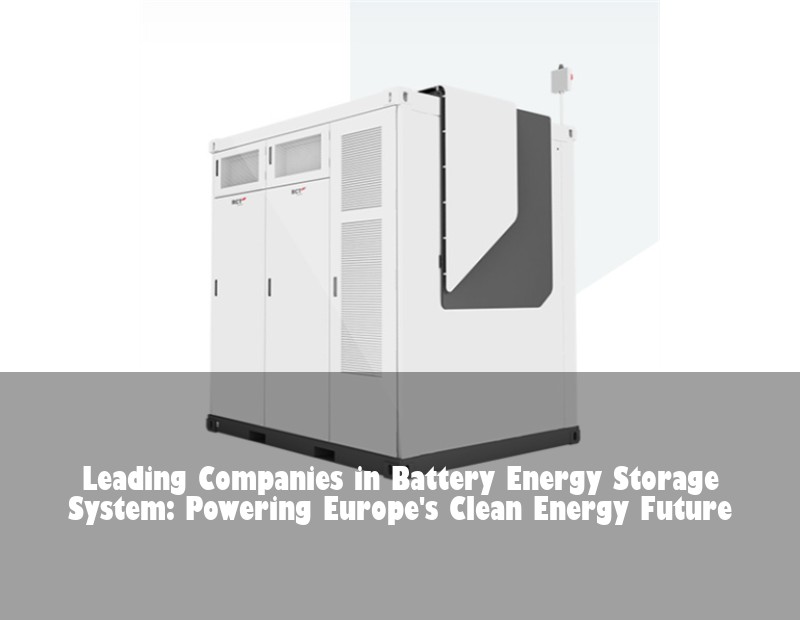
Table of Contents
The Energy Storage Imperative
It's a windless night in Berlin, yet thousands of homes glow with electricity generated 48 hours earlier. How? Through the silent revolution led by companies in battery energy storage system (BESS) sector. As Europe accelerates toward its 2030 renewable targets, these innovators are solving renewable energy's Achilles heel - intermittency. Unlike traditional grids, BESS installations absorb surplus solar and wind power, then discharge it precisely when needed, transforming clean energy from weather-dependent to grid-reliable.
The Intermittency Challenge
Renewables' variability creates a complex puzzle for grid operators. On sunny afternoons, German solar farms regularly produce more electricity than the grid can absorb, while during Dunkelflaute (dark doldrums), wind and solar generation can plummet simultaneously. This is where companies in battery energy storage system space become the indispensable bridge - turning renewable abundance into 24/7 reliability.

Image: Grid-scale battery storage with solar generation. Source: Unsplash/Andre Styles
Europe's Storage Surge: By the Numbers
Europe's BESS market is experiencing explosive growth, with installations increasing at a compound annual growth rate (CAGR) of 32% since 2020. Let's examine the data driving this transformation:
| Metric | 2021 | 2023 | 2025 Projection |
|---|---|---|---|
| Installed Capacity (GWh) | 3.2 | 8.7 | 22.4 |
| Market Value (€ billion) | 1.8 | 4.9 | 12.6 |
| New BESS Projects | 47 | 129 | 300+ |
Key Growth Drivers
- EU's "Fit for 55" package requiring 40% renewable integration by 2030
- Falling lithium-ion battery prices (68% reduction since 2013)
- Enhanced grid service compensation mechanisms
- National targets like Germany's 200GW storage goal by 2050
Innovators Driving the BESS Revolution
Three categories of companies in battery energy storage system domain are reshaping Europe's energy landscape:
System Integrators
These architects design complete storage solutions. Companies like Fluence (Siemens-AES JV) and Wärtsilä deliver grid-scale systems with advanced AI controls that predict energy patterns 72 hours in advance. Their secret sauce? Machine learning algorithms that improve with every charge-discharge cycle.
Component Specialists
Innovators like Northvolt (Sweden) and BMZ Group (Germany) focus on core technologies. Northvolt's recent gigafactory produces batteries with 50% lower carbon footprint than Asian imports - a crucial advantage in sustainability-focused Europe.
Hybrid Solution Developers
Pioneers such as Aggreko and Enel X combine storage with generation. Their containerized systems can deploy in 90 days, providing temporary grid support during peak demand or generator outages.
Case Study: UK's Grid Stability Breakthrough
When Britain's National Grid faced critical stability issues in 2022, Zenobe Energy delivered Europe's largest transmission-connected BESS in Capenhurst. The 100MW/107MWh system provides:
- 200ms response to frequency drops
- Black start capability for 20,000 homes
- £9.3 million in annual grid balancing savings

Image: Utility-scale battery storage installation. Source: Unsplash/Thomas Richter
During a critical under-frequency event in January 2023, the system injected 73MW within 0.8 seconds - preventing potential blackouts for 340,000 customers. This project exemplifies how companies in battery energy storage system space provide not just energy, but grid resilience insurance. National Grid ESO reports confirm BESS now provides 12% of UK's frequency response versus just 1.2% in 2018.
Technology Frontiers in BESS
The technology race among companies in battery energy storage system field focuses on three critical improvements:
Energy Density Leap
Solid-state batteries promise 2.5x higher density than current Li-ion solutions. UK's Ilika plans commercial deployment by 2025 with automotive-grade cells adapted for stationary storage.
Second-Life Innovations
Connected Energy creates grid storage from used EV batteries, reducing costs by 40% while extending battery lifecycles. Their Belgian installation uses 24 Renault Zoe batteries to power industrial facilities.
Software Intelligence
Advanced control systems now enable:
- Predictive maintenance (reducing downtime by 30%)
- Multi-revenue stream optimization (balancing grid services simultaneously)
- Cybersecurity protocols meeting EU's NIS2 Directive
Navigating Market Challenges
Despite rapid growth, companies in battery energy storage system space face complex hurdles:
Regulatory Labyrinth
Europe's fragmented policies create operational headaches. A Spanish storage facility faces 17 different regulatory classifications versus Germany's unified "energy storage" category. Industry leaders advocate for:
- Harmonized EU-wide storage definitions
- Accelerated permitting timelines
- Dual-use classification (generation & consumption)
Recent progress includes Italy's GSE creating dedicated storage registry, cutting approval times from 14 to 5 months.
Supply Chain Realities
Europe currently imports 92% of battery cells. The European Battery Alliance aims to boost domestic production to cover 70% of demand by 2030. Norwegian startup FREYR is constructing automated gigafactories using patented 24/7 production technology to close this gap.
Your Energy Future
As Europe's energy transition accelerates, the strategic importance of companies in battery energy storage system ecosystem will only intensify. With grid-scale storage becoming as vital as generation assets, we must ask: How will your organization integrate storage solutions to achieve both resilience and sustainability goals? What partnerships will you forge with these architects of our energy future?
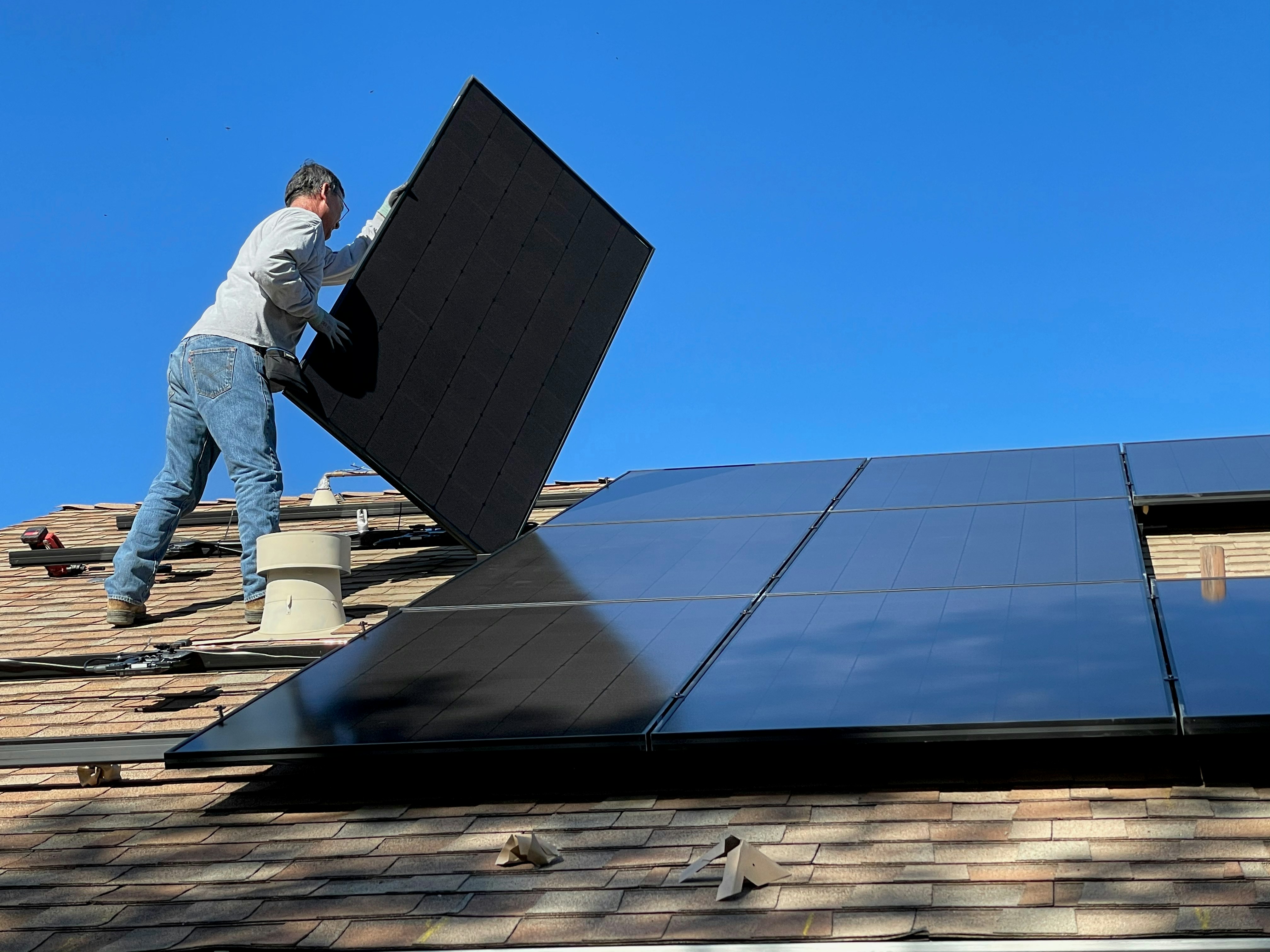
Image: Renewable energy integration with storage. Source: Unsplash/American Public Power Association
 Inquiry
 Online Chat