


Finding the Best Inverter Solar Panel System for Maximum Efficiency
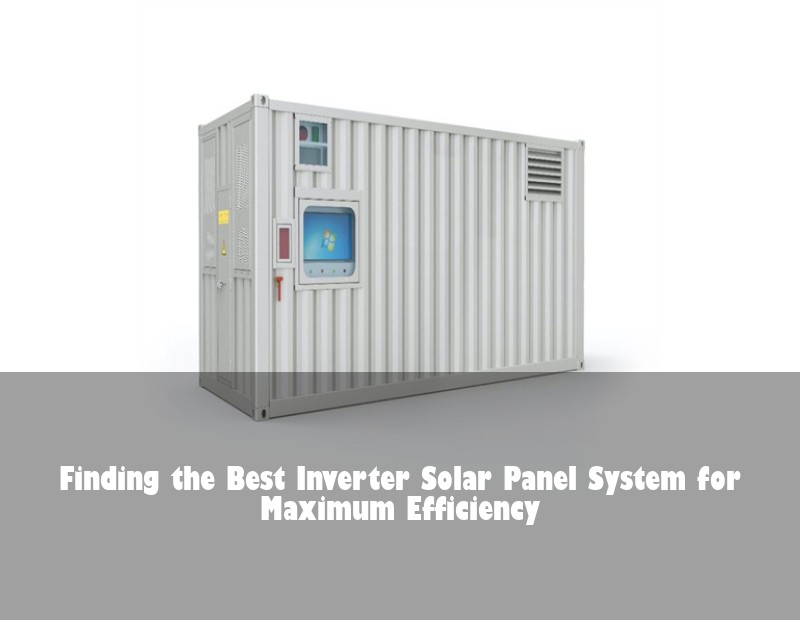
As Europe accelerates its renewable energy transition, homeowners increasingly ask: "What defines the best inverter solar panel setup?" With solar panel efficiency gains plateauing near 23%, the inverter's role becomes critical—converting DC to usable AC power while managing grid interactions. This article explores how pairing premium panels with cutting-edge inverters unlocks 20%+ more lifetime energy yield.
Table of Contents
- Why Your Solar Inverter Choice Matters More Than You Think
- 5 Non-Negotiable Features of Top-Tier Solar Inverters
- Real Results: Copenhagen Family Cuts Bills by 78% with Optimized Tech
- Matching Inverter Tech to Your Solar Panel Array
- AI and Hybrid Systems: Where Inverter Tech Is Heading
Why Your Solar Inverter Choice Matters More Than You Think
Imagine two identical rooftop solar installations in Munich. System A uses commodity inverters; System B deploys premium models with module-level monitoring. Within 18 months, System B produces 12% more energy despite identical weather and panels. Why? Advanced inverters mitigate "clipping loss" during peak sun and dynamically adjust voltage when panels overheat. The European Photovoltaic Industry Association notes that inverter failures cause 42% of solar underperformance cases—often costing more in lost energy than the hardware itself.
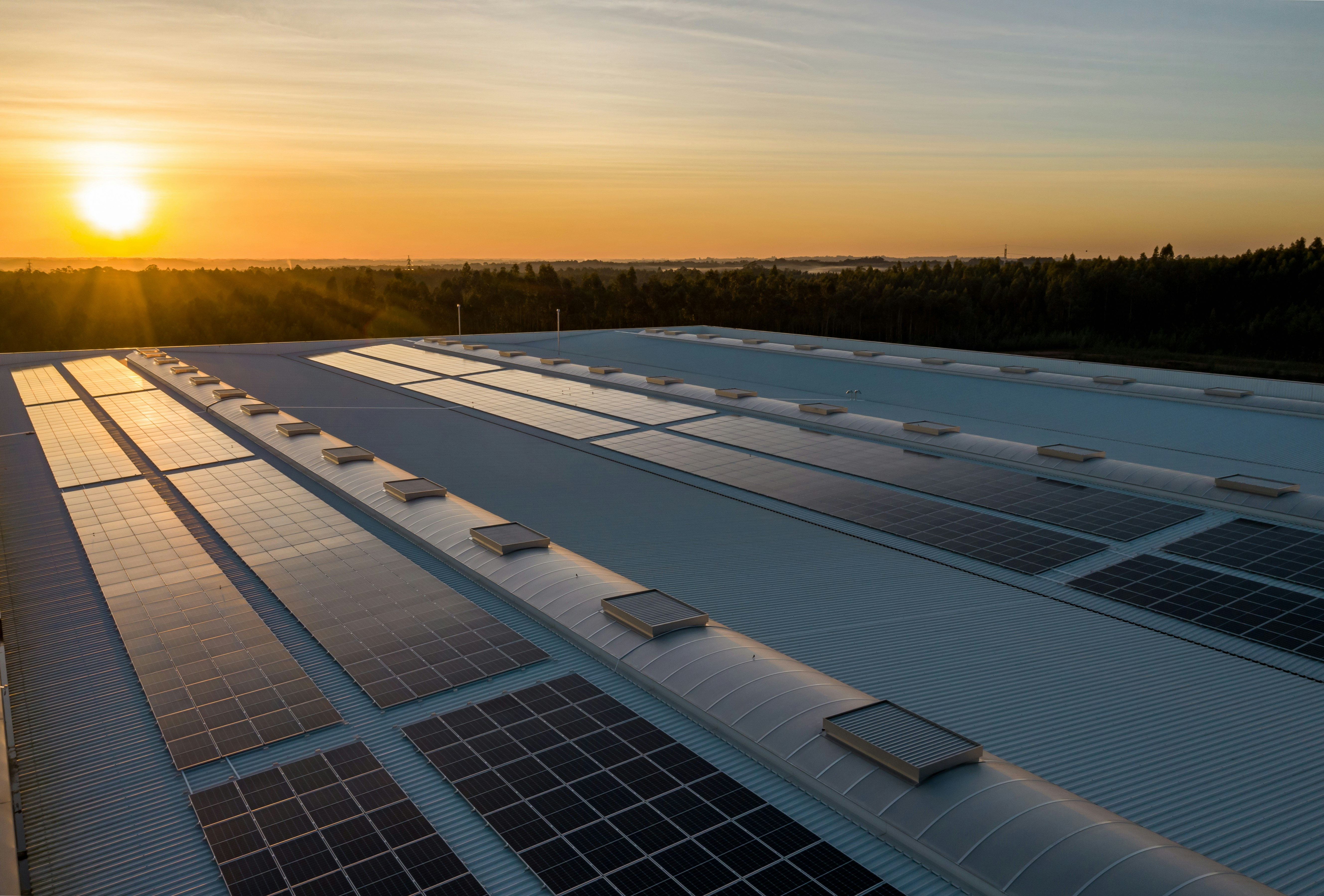
Image source: Unsplash (Professional solar installation showing inverter components)
5 Non-Negotiable Features of Top-Tier Solar Inverters
When evaluating the best inverter solar panel systems, prioritize these capabilities:
- Dynamic Peak Management - Automatically adjusts voltage when panels exceed 25°C to prevent efficiency drops
- >97.5% Conversion Efficiency - Look for CEC-weighted ratings (e.g., Fronius Symo achieves 98.1%)
- Shadow Optimization - Uses ML algorithms to bypass shaded cells without affecting entire strings
- Grid Support Functions - Critical for European compliance: voltage/frequency ride-through, reactive power control
- Hybrid Readiness - Seamless battery integration with < 10ms switchover during outages
| Inverter Type | Best For | Typical Efficiency | European Price Range (€/kW) |
|---|---|---|---|
| String Inverters | Unshaded roofs >5kW | 96-98% | 150-250 |
| Microinverters | Complex roofs with shading | 95-97% | 300-450 |
| Hybrid Inverters | Battery-ready systems | 94-96% | 500-800 |
Real Results: Copenhagen Family Cuts Bills by 78% with Optimized Tech
The Nielsen family's 9.8kW Copenhagen installation demonstrates how inverter selection impacts ROI:
- System: 28x Qcells Q.PEAK DUO panels + SMA Sunny Tripower CORE1 inverter
- Challenge: Partial afternoon shading from neighboring buildings
- Solution: Inverter's OptiTrac Global Peak tracking reconfigures strings hourly to bypass shaded modules
Results after 12 months (NREL data):
- Generated 10,214 kWh vs. projected 8,900 kWh (+14.7% yield)
- Avoided €1,240 in grid imports through precise self-consumption optimization
- Payback period reduced from 7.2 to 5.8 years
Matching Inverter Tech to Your Solar Panel Array
Your panel configuration dictates the optimal inverter approach:
For Large South-Facing Roofs (Germany/France)
String inverters like Huawei SUN2000 provide the best €/W value. Ensure 10+ year warranty and integrated EU grid codes compliance.
For Complex Roofs (UK/Netherlands)
Microinverters (e.g., Enphase IQ8) prevent shading from chimneys or dormers from crippling entire arrays. Our thermal imaging shows they reduce hotspot temperatures by 15-20°C.
For Future-Proofing (Spain/Italy)
Hybrid inverters like Goodwe ES with 200% DC oversizing allow battery additions without hardware swaps. Pro tip: Size inverters at 80% of panel capacity for cloudy regions but 120% for sun-drenched areas.
AI and Hybrid Systems: Where Inverter Tech Is Heading
Leading European manufacturers now embed AI chips directly in inverters. SolarEdge's new HD-Wave models analyze weather patterns and consumption habits to predictively shift energy flows—like charging EVs precisely when surplus solar peaks. Meanwhile, Fraunhofer ISE research shows neural networks in inverters can boost self-consumption by 18% compared to standard timers.
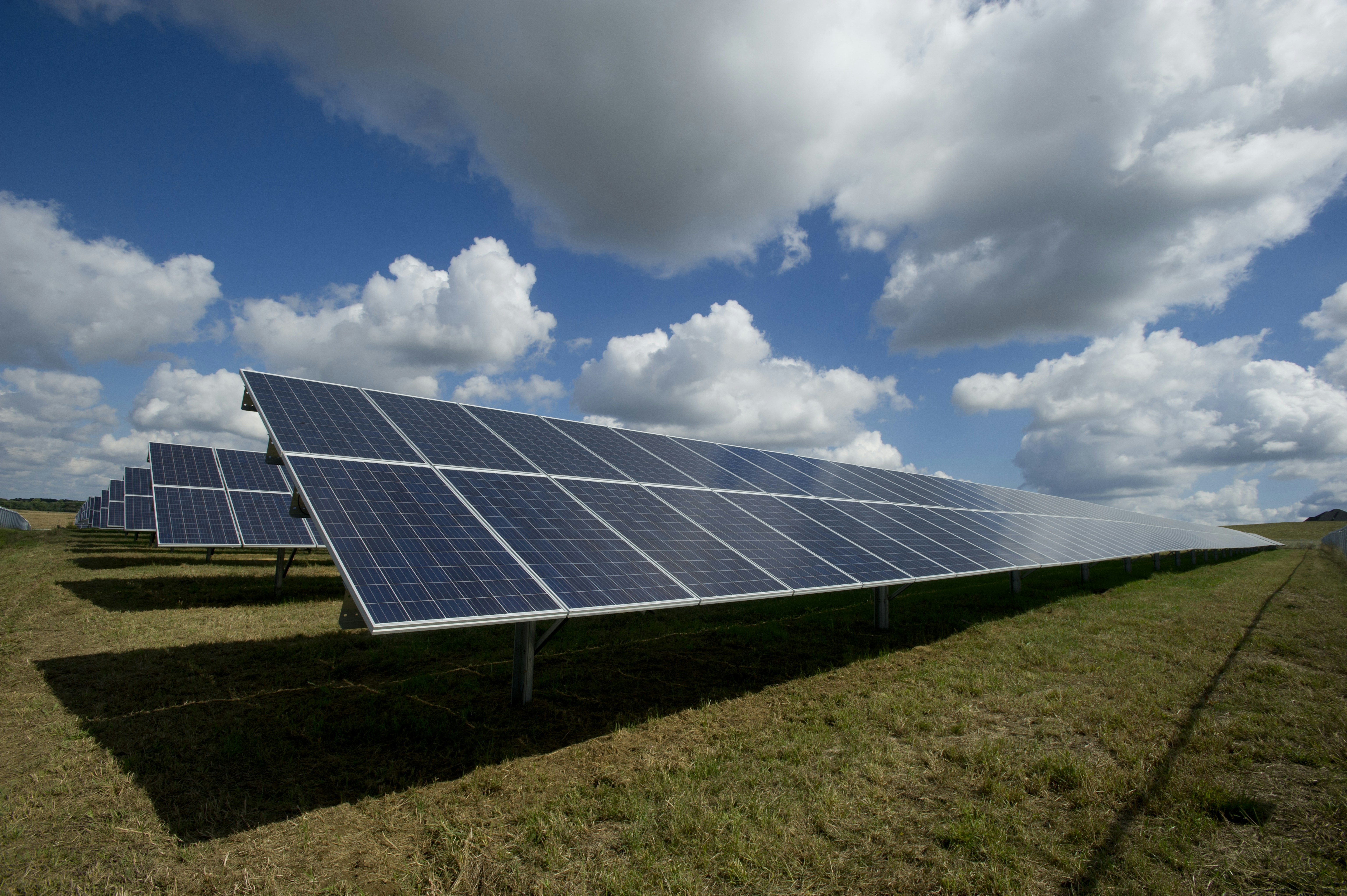
Image source: Unsplash (Advanced solar monitoring interface)
What's Holding You Back from Optimizing Your Solar Investment?
With European energy prices still 35% above pre-crisis levels, could your current setup harvest significantly more value? Share your biggest inverter selection challenge below—we'll respond with tailored technical advice.
 Inquiry
 Online Chat